
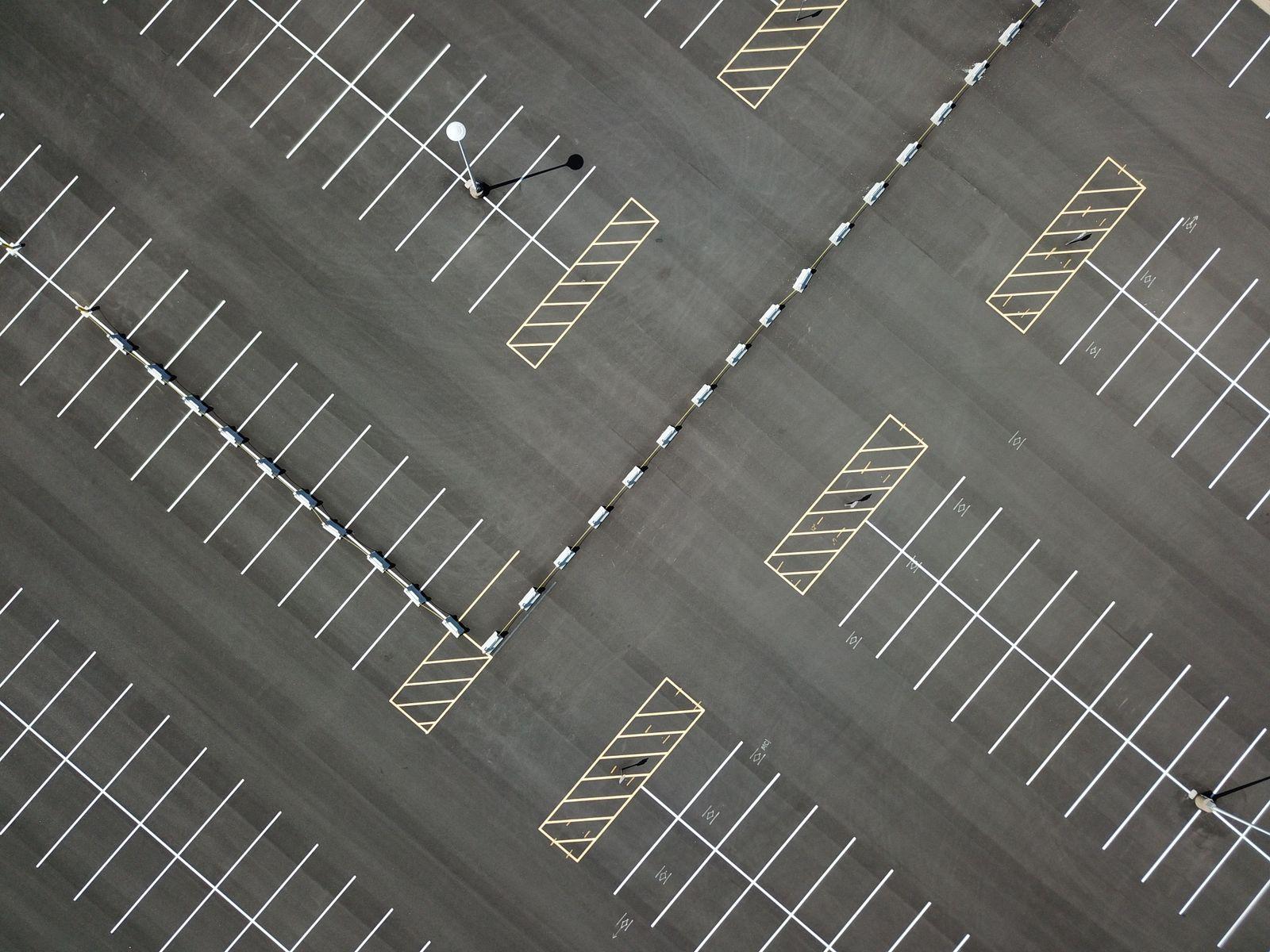
Commercial & Private Car Park Surfacing in Sydney
Safe, Durable & Compliant Car Parks Built Around Your Operating Hours
Your car park is the very first physical asset that customers, tenants, and visitors experience when visiting your property. Potholes, ponding water around stormwater pits, crumbled kerb edges, and faded bay markings not only make a property look neglected—they create serious pedestrian trip hazards, vehicle damage claims, and traffic bottlenecks.
Operating from Campsie (NSW 2194) across Greater Sydney, National Road Surfacing delivers asphalt car park surfacing, weekend resurfacing, structural patching, and line marking for commercial, retail, strata, and private car parks.
- Primary CTA: Book a Free Car Park Site Measure | Direct Mobile: 0475 013 264
Our Complete Car Park Surfacing Capabilities
1. New Asphalt Car Park Surfacing
Working on a prepared base, we surface new commercial, strata, and private car park areas:
- Base Preparation: Trimming, compacting, and testing the prepared roadbase formation ahead of paving.
- Zoned Asphalt Wearing Courses: Laying fine, smooth
AC10asphalt in standard passenger parking bays and heavier-dutyAC14along main entry throats and delivery aisles. - Drainage-Aware Paving: Paving to existing stormwater falls (typically 1:40 to 1:100) so finished levels tie in cleanly with grated drains and kerb lines.
2. Existing Car Park Resurfacing (Mill & Fill Overlays)
When an existing car park is oxidized, cracked, or holding water but the underlying base remains mostly intact, cold milling and resurfacing restores a brand-new blacktop finish in a single weekend:
- Precision Profiling: Milling 35mm–50mm around concrete kerbs, wheel stops, building entries, and stormwater grates so finished levels remain compliant.
- Localised Patching: Excavating and rebuilding any soft spots or tree-root heaves prior to overlaying.
- Hot Mix Overlay: Applying a bitumen emulsion tack coat and laying a dense, seamless
AC10orAC14wearing course.
3. Accessibility, Traffic Calming & Line Marking (AS 2890 Aligned)
We hand over fully operational car parks ready for immediate vehicle and pedestrian use:
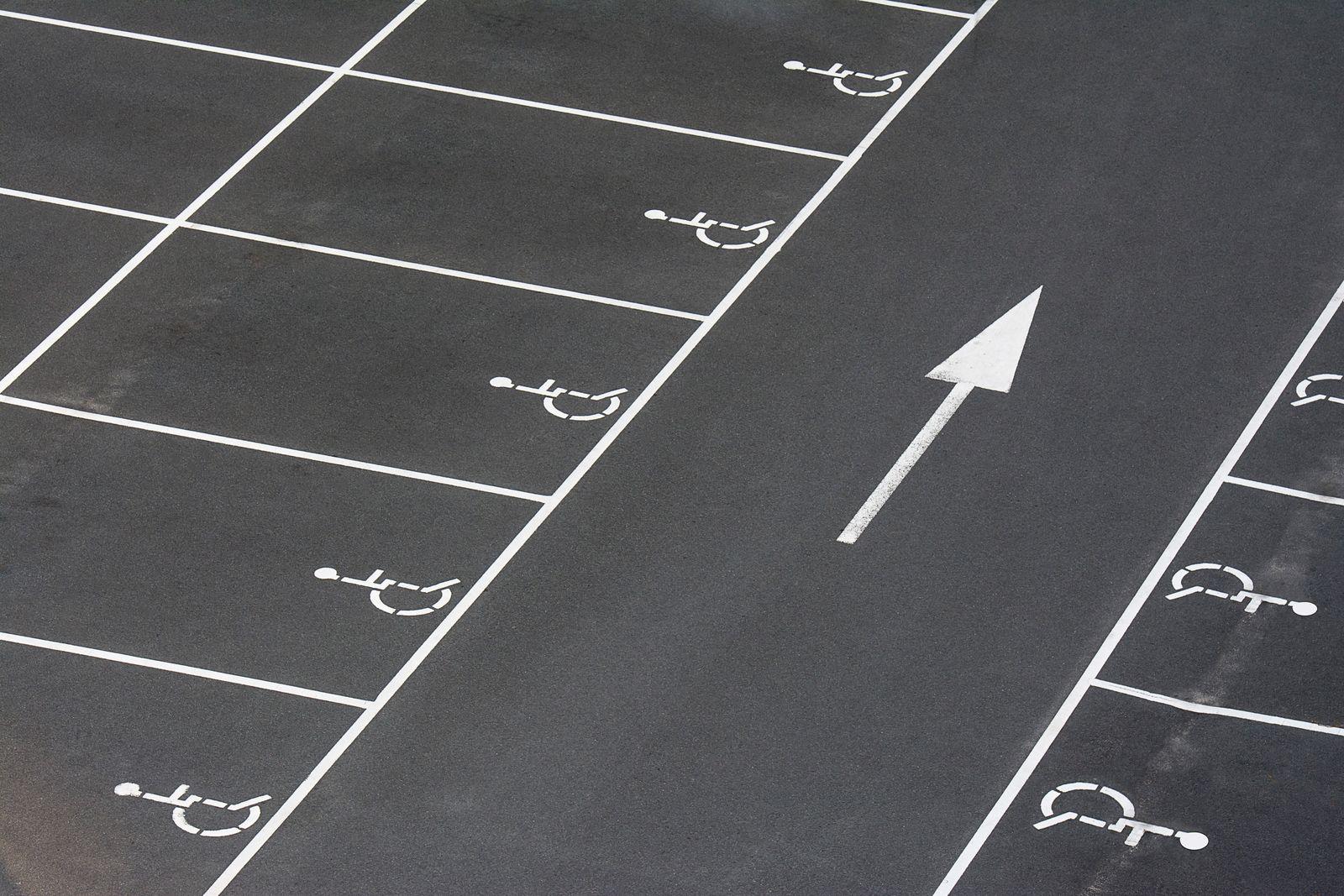
- Accessible (Disabled) Parking Bays: Re-grading and paving dedicated accessible spaces and shared zones to meet AS/NZS 2890.6 maximum cross-fall and longitudinal slope tolerances (not exceeding 1:40 for asphalt/bitumen surfaces) alongside smooth pram ramps (AS 1428.1).
- Speed Humps & Pedestrian Crossings: Installing profiled asphalt speed cushions or heavy-duty bolted rubber speed humps (
AS/NZS 2890.1). - Thermoplastic & Paint Line Marking: Crisp bay lines, numbered strata spaces, directional arrows, yellow “No Stopping” lines, loading zone hatching, disabled symbols, and concrete/recycled rubber wheel stops.
Zoned Pavement Design: Why One Thickness Doesn't Fit Every Part of a Car Park
A common mistake in budget car park paving is laying a single thin 25mm–30mm residential asphalt layer across the entire site. While parked passenger cars exert relatively light static loads, the main entry throat and waste-collection truck path experience concentrated braking, turning, and higher axle loads.
| Car Park Zone | Typical Traffic Load | Recommended Asphalt Specification |
|---|---|---|
| Standard Passenger Parking Bays | Cars, SUVs & utilities (<3 tonnes) | 35mm–40mm AC10 Dense Graded Asphalt |
| Main Circulation Aisles & Entry Throats | Continuous two-way car traffic & braking | 45mm–50mm AC10 or AC14 Asphalt |
| Waste Truck Paths & Loading Docks | Rigid trucks & waste compactors | 50mm AC14 Wearing Course |
| Pedestrian Walkways & Pram Ramps | Foot traffic, wheelchairs, trolleys | 25mm–30mm AC7 Fine Dense Graded Asphalt |
Staged & Weekend Execution for Live Commercial Sites
We know you cannot shut down a busy retail property or strata building for a week. Our project staging keeps your site moving:
- Sectional Staging (Half-Car-Park / Half-Width Access): We barricade and resurface Zone A while keeping Zone B and a controlled access lane open, turning over Zone A within 24 hours before switching to Zone B.
- Weekend Programs: We can profile on Friday evening or Saturday morning, pave and compact on Saturday, complete line marking on Sunday, and reopen the entire car park before Monday 6:00 am.
- Clear Tenant & Strata Notification: We provide clear staging maps and advance notice schedules so building managers and strata committees can notify occupants seamlessly.
Frequently Asked Questions – Car Park Surfacing & Resurfacing
How do you stop water pooling in flat car parks?+
Pooling water (“birdbaths”) accelerates asphalt oxidation and creates slip hazards for pedestrians exiting vehicles. Before paving, we check levels with laser equipment and pave to establish positive drainage falls toward existing collection pits or dish drains.
Can you remove existing concrete wheel stops and reinstate them after resurfacing?+
Yes. Before cold milling and paving, our crew carefully unbolts and stacks existing concrete or rubber wheel stops and bollards, completes the continuous asphalt overlay for maximum waterproofing, and re-pins the wheel stops and new line markings in their exact positions.
Still have questions? Contact our team.
Explore Related Services
Planning a Car Park Surfacing Project?
Tell us about your site and our team can discuss staged or after-hours scheduling.