
Asphalt vs Concrete Driveways in Sydney: Cost, Lifespan, Clay Soil & Maintenance Compared
By National Road Surfacing · Updated 1 November 2026
Introduction
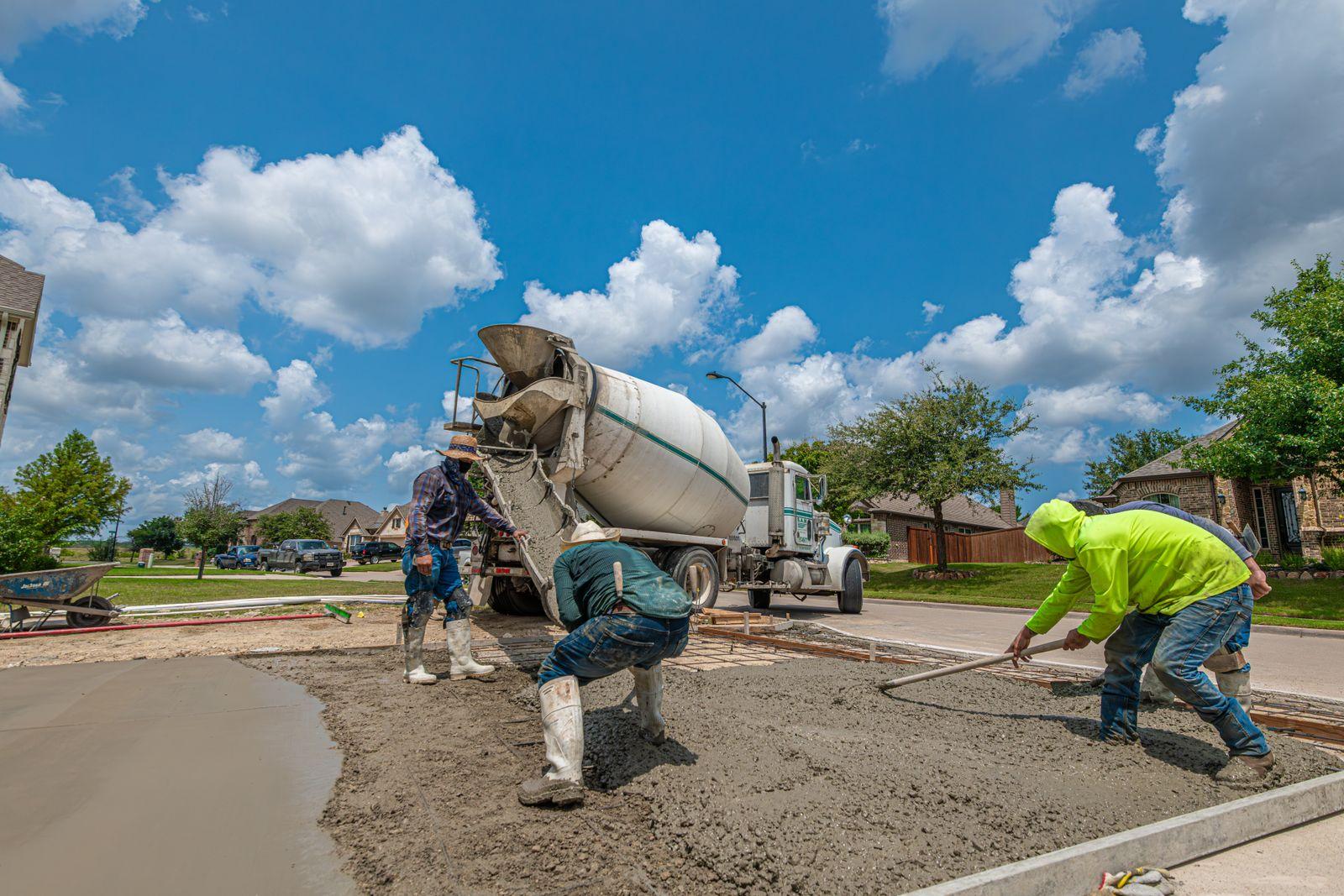
When planning a new driveway, battle-axe lane, or strata common roadway in Sydney, the decision almost always narrows down to two contenders: hot mix asphalt or poured concrete. While both create durable, hard-wearing surfaces, they behave very differently on Sydney’s soils, require vastly different installation budgets, and age in completely different ways.
Here is an objective, side-by-side engineering and financial comparison from our asphalt driveway specialists in Sydney to help you decide which material makes the most sense for your property.
Complete Comparison Table: Hot Mix Asphalt vs Poured Concrete in Sydney
| Comparison Criteria | Hot Mix Asphalt Driveway (AC7/AC10) |
Poured Reinforced Concrete Driveway |
|---|---|---|
| Indicative Installed Price Range ($/m²) | $45 – $65 per m² (+ GST) for overlays/surfacing; $75 – $110 per m² including new roadbase prep (Bitumen Co Cost Guide) | $130 – $180+ per m² (+ GST) for plain concrete; $180 – $250+ per m² for coloured, stencilled, or exposed aggregate |
| Saving on a 150 m² Battle-Axe Driveway | Saves $8,000 – $15,000+ upfront compared to poured concrete | High formwork, steel mesh, and concrete pump costs on long narrow runs |
| Curing / Wait Time Before Driving | 24 – 48 Hours | 7 Days for light cars; 28 Days for full compressive strength and heavy vehicles |
| Performance on Reactive Sydney Clay | Excellent — flexible pavement moves slightly with seasonal clay moisture shifts without snapping | Prone to Structural Cracking — rigid slabs crack along stress lines if clay shrinks or tree roots lift a corner |
| Visual Appearance & Oil Hiding | Rich matte charcoal/blacktop; naturally hides tyre marks, brake dust, and minor oil drips; zero sun glare | Bright light grey (unless coloured); permanently shows black tyre marks, leaf tannins, and engine oil stains |
| Repair & Future Refurbishment | Easy to invisible-patch utility cuts or refresh the entire driveway after 15–20 years with a thin 30mm driveway resurfacing overlay | Difficult to patch without ugly colour-mismatched concrete scars; full replacement requires noisy jackhammer demolition |
| Lifespan | 15 – 25+ years (extendable to 35+ years with periodic sealcoating or thin overlay) | 25 – 35+ years (if subgrade remains completely stable and crack-free) |
Why Soil Type & Tree Roots Tip the Scales in Many Sydney Suburbs
Across large parts of Western Sydney, South-West Sydney, Canterbury-Bankstown, and the Inner West, residential blocks sit on Class M, Class H1, or Class H2 reactive clay soils that expand significantly during wet seasons and shrink during droughts. Similarly, established suburbs on the North Shore, Hills District, and Sutherland Shire feature mature street and garden trees with shallow lateral roots.
When a tree root or clay swell pushes upward beneath a rigid concrete driveway, the entire 4m $\times$ 4m concrete bay tilts like a seesaw or cracks diagonally across the middle—creating a permanent trip step that can only be fixed by sawing out and re-pouring the whole bay.
When the same minor root or clay movement occurs beneath a flexible asphalt driveway, only the immediate 1-square-metre zone flexes. If a tree root eventually pushes up a bump after 10 years, an asphalt crew can saw-cut that single square metre, prune the root, and hot-patch the asphalt flush in two hours for a fraction of concrete replacement costs.
When Concrete Is Better vs When Asphalt Is the Clear Winner
To give you candid advice, there are specific situations where each material excels:
- When Concrete Makes Sense: Very short (
< 25 m²) suburban front crossovers where the builder is already pouring house slabs on the same day, or extremely steep (> 20%grade) hairpin driveways where concrete broom-finish or exposed aggregate is required by council engineering conditions. - When Hot Mix Asphalt Is the Clear Winner:
- Medium-to-Large Suburban Driveways (
50 m² to 250 m²) where you want modern dark contrast against brick, sandstone, or white rendered architecture. - Battle-Axe Access Lanes & Shared Strata Driveways (
100 m² to 1,000+ m²) where concrete formwork and pumping costs become prohibitive. - Semi-Rural & Acreage Properties where natural integration with the landscape and budget scalability are paramount.
- Upgrading an Existing Cracked Concrete Driveway: Provided your old concrete slabs aren’t actively rocking, we can tack-coat and pave a 35mm–45mm
AC10hot mix asphalt overlay right over the old concrete—saving you thousands of dollars in concrete demolition and tip fees.
- Medium-to-Large Suburban Driveways (
Frequently Asked Questions
Does an asphalt driveway get too hot in Sydney summers?
Like dark charcoal concrete pavers or slate tiles, fresh black asphalt absorbs warmth in direct midday summer sun, then oxidises over its first 12 to 18 months to a softer charcoal grey that reflects more heat. Surrounding garden beds or shade trees cool rapidly at dusk because asphalt has lower thermal mass thickness than a thick concrete slab.
Conclusion & Next Steps
For the vast majority of Sydney driveways, battle-axe blocks, and strata schemes, hot mix asphalt delivers superior value, faster access, and far easier long-term maintenance than poured concrete. Read our next guide on Factors Affecting Asphalt Surfacing Costs per m² in Sydney to plan your budget.
Want a side-by-side quote for your Sydney driveway? Call National Road Surfacing on 0475 013 264 or request a free measure and quote online.
Related Services Mentioned in This Guide
Want to Compare Driveway Options on Your Property?
Or call 0475 013 264Related Guides
Asphalt Driveway Construction in Sydney: Base Prep, Edging, Crossovers & Care
Driveways, Costs & Project PlanningFactors Affecting Asphalt Surfacing & Resurfacing Costs per Square Metre (m²) in Sydney
Asphalt Fundamentals & Mix TypesHow Long Does Asphalt Last in Australian Conditions? Lifespan & Ageing Factors