
Asphalt vs Bitumen in Australia: Understanding the Difference & Choosing the Right Surface
By National Road Surfacing · Updated 1 November 2026
Introduction
In everyday Australian conversation, people routinely refer to any black road or driveway as “the bitumen.” When property owners in outer Sydney or regional NSW call a contractor asking for a “bitumen driveway quote,” half the time they are picturing a smooth, dark suburban hot mix asphalt surface, and the other half they are thinking of a stone-textured rural bitumen spray seal.
While both surfaces rely on refined bitumen as their waterproofing glue, hot mix asphalt surfacing and bitumen spray sealing (chip sealing) are built using completely different equipment, have different thicknesses and textures, and carry very different per-square-metre price tags. Here is how to tell them apart and choose the right specification for your property.
The Core Distinction: Ingredient vs Surfacing Method
- Bitumen (The Binder Ingredient): Bitumen is the sticky, black, viscoelastic hydrocarbon liquid refined from crude oil. On its own, liquid bitumen is too soft to support traffic—it acts as the waterproof glue in both asphalt and spray-sealed roads.
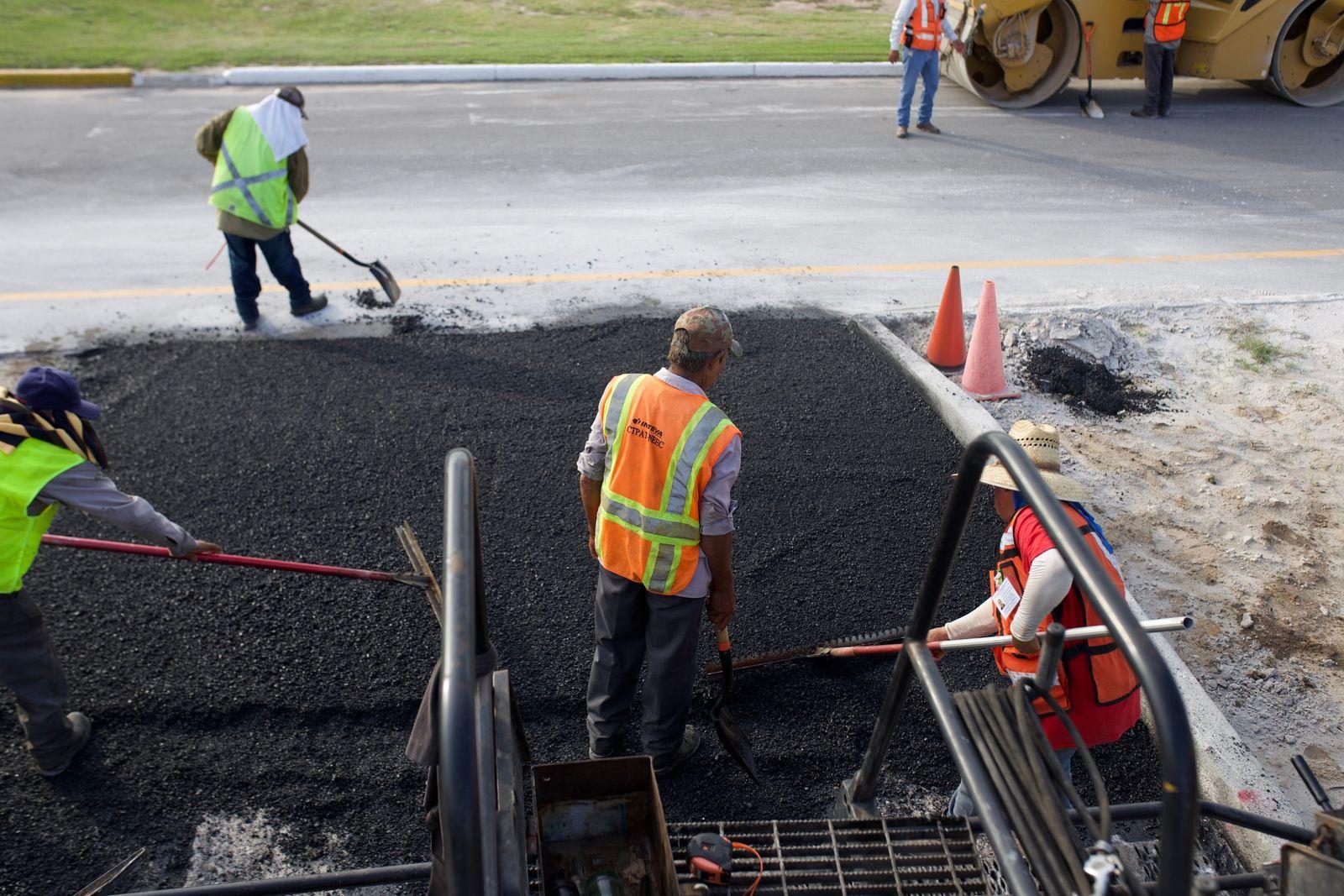
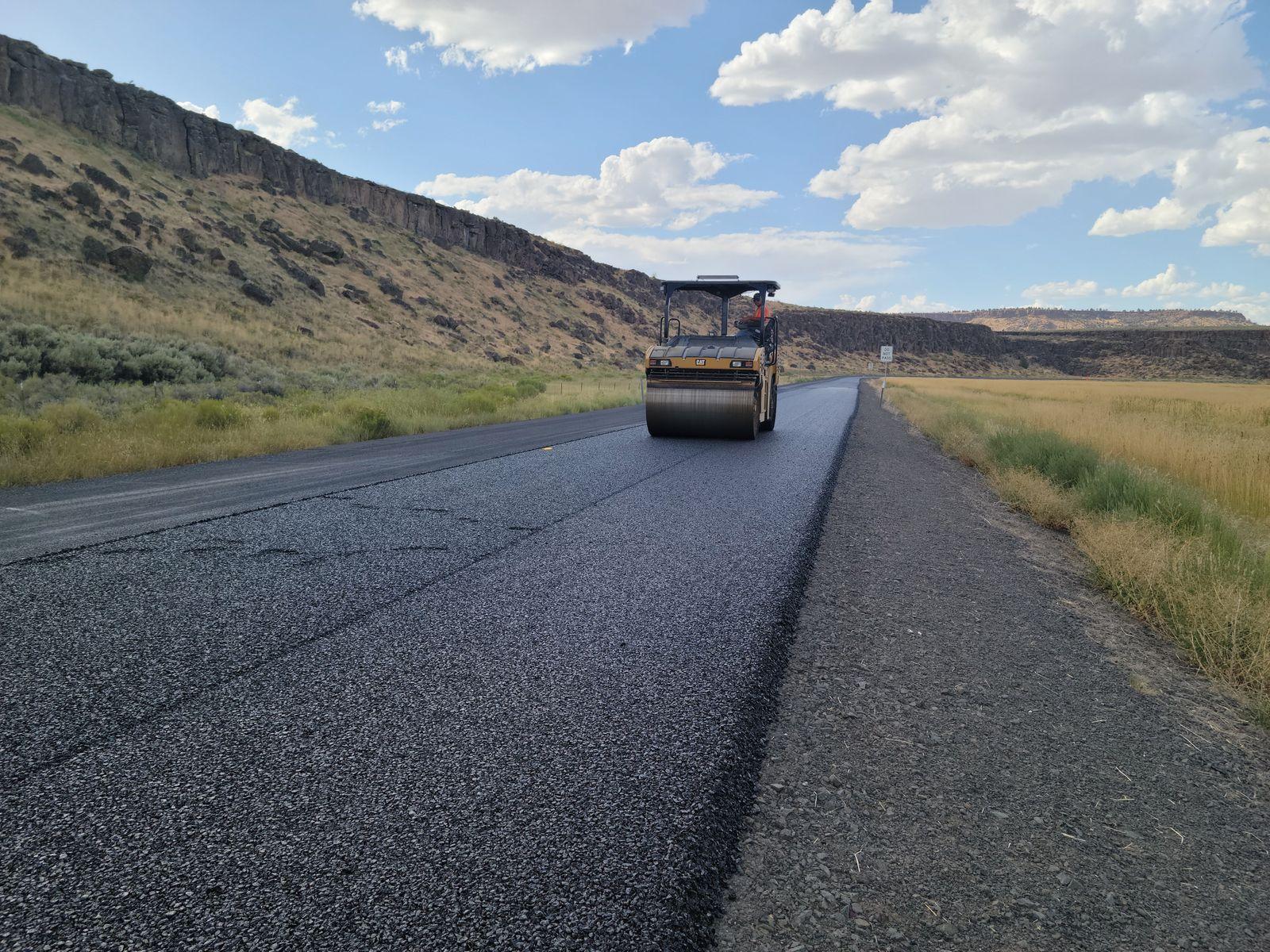
- Hot Mix Asphalt Surfacing (Plant-Mixed Structural Layer): At a production plant, graded crushed stone, sand, and filler are dried and mixed with hot bitumen at ~150°C. The mixture is trucked to site, spread in a thick layer (25mm to 100mm+) through a paving machine, and compacted with heavy steel and rubber rollers into a smooth, dense slab (hot mix asphalt paving).
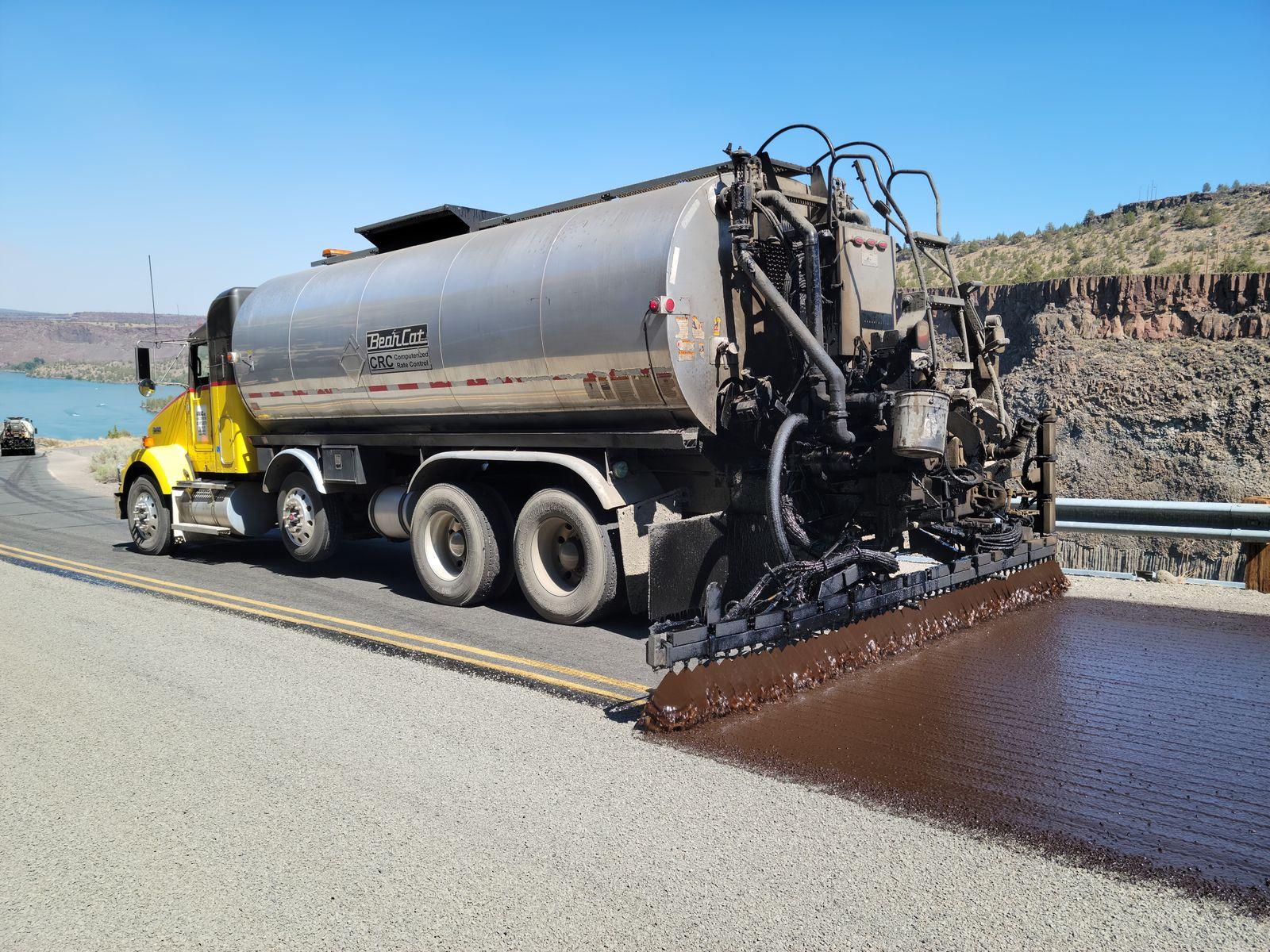
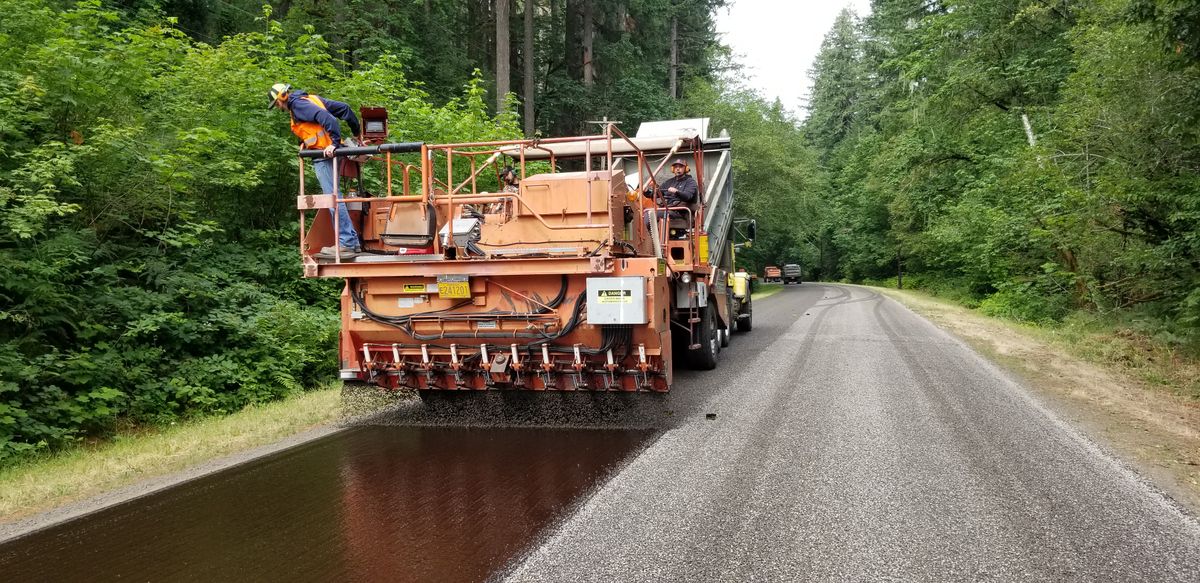
- Bitumen Spray Sealing / Chip Sealing (On-Site Layered Treatment): Rather than mixing stone and bitumen in a plant, bitumen spray sealing contractors in Sydney spray a thin film of hot liquid bitumen directly onto a tightly compacted roadbase, then immediately spread a single layer of uniform crushed stone (
14mmor10mm) over the top and roll it with multi-tyre rubber rollers. For a two-coat bitumen seal, a second spray of bitumen and a smaller locking stone (7mmor5mm) are applied immediately after the first coat.
Head-to-Head Comparison: Hot Mix Asphalt vs Two-Coat Bitumen Spray Seal
| Comparison Factor | Hot Mix Asphalt (AC7, AC10, AC14) |
Two-Coat Bitumen Spray Seal (14mm/7mm Chip Seal) |
|---|---|---|
| Compacted Surface Thickness | 30 mm – 60 mm+ (Structural layer) | 10 mm – 18 mm (Waterproof surface wearing seal) |
| Surface Texture & Appearance | Smooth, tight, uniform matte charcoal/blacktop; ideal for walking, bikes, trolleys, and prams. | Coarser, natural stone mosaic texture; generates slightly more tyre hum at highway speeds. |
| Resistance to Power-Steering Turns | High — interlocked matrix handles tight turning aprons, cul-de-sacs, and forklift manoeuvres. | Moderate to Low when fresh — stationary dry-steering in tight garage courts can pluck surface stones. |
| Indicative Installed Cost ($/m²) (Excl. major base earthworks) | $45 – $65 per m² (+ GST) (Bitumen Co Cost Guide) | $25 – $45 per m² (+ GST) — most economical on areas >300 m² to 5,000+ m² |
| Typical Lifespan | 15 – 25+ years before resurfacing | 10 – 15 years (can be economically resealed with a single enrichment coat after 8–12 years) |
| Best Applications | Suburban driveways, commercial car parks, strata complexes, industrial hardstands, urban streets. | Long acreage driveways (100m+), farm lanes, rural access roads, regional highways, large dust-control yards. |
Why Roadbase Preparation Matters Even More for Bitumen Spray Seals
Because a two-coat bitumen spray seal is only around 12mm–15mm thick, it possesses almost no independent beam strength—it simply waterproofs and protects the compacted crushed rock roadbase (DGB20) underneath it. If the roadbase is poorly compacted or left with bumps and hollows, the bitumen seal will mirror every imperfection.
When National Road Surfacing constructs a bitumen spray-sealed road across outer Sydney (such as Hawkesbury, Hills District, Camden, or Wollondilly), we invest heavily in grading, moisture-conditioning, and rolling the roadbase to a tight stone mosaic, followed by a penetrating cutback prime coat before applying the two-coat hot bitumen seal.
The Smart Hybrid Option for Large Acreage Properties
If you own a semi-rural property with a 150-metre entrance driveway leading up to a multi-car garage apron, you don’t have to choose exclusively one or the other. We frequently construct hybrid driveways:
- Section A (The 130m Straight Access Lane): Paved in an economical two-coat hot bitumen spray seal where vehicles travel in a straight line without sharp steering lock.
- Section B (The Garage Turning Court & Street Crossover): Paved in 40mm
AC10hot mix asphalt where vehicles brake, reverse, and turn their wheels tightly every day.
This hybrid engineering approach saves thousands of dollars on the long straight run while delivering maximum scuff resistance right outside your garage doors.
Frequently Asked Questions
Can you lay hot mix asphalt over an old bitumen spray-sealed driveway?
Yes. If the underlying roadbase of an older bitumen-sealed driveway is still firm and well-drained, we can sweep the surface, repair any potholes, spray a bitumen emulsion tack coat, and lay a smooth 30mm–40mm AC10 hot mix asphalt overlay directly over the top.
Why does a new bitumen spray seal have loose stones at first?
During chip sealing, a 5%–10% surplus of aggregate stone is intentionally spread so roller tyres never pick up hot bitumen and every drop of binder is covered. Over the first 2 to 4 weeks, normal vehicle tyres knead the stones tighter into the binder, after which any loose surplus stones are swept off.
Conclusion & Next Steps
Choose hot mix asphalt whenever you need a smooth architectural finish, high turning-shear resistance, or urban car park/driveway durability. Choose two-coat bitumen spray sealing when covering long rural distances or large open yards where budget efficiency and dust elimination are your primary goals. For more pricing breakdowns, read our guide on Asphalt Surfacing Costs in Sydney or explore our Sydney Asphalt & Bitumen Driveway Services.
Ready for an obligation-free site inspection? Call National Road Surfacing on 0475 013 264 or request a free quote online.
Related Services Mentioned in This Guide
Not Sure Whether Asphalt or Bitumen Suits Your Site?
Or call 0475 013 264Related Guides
What Is Asphalt Surfacing? A Complete Guide for Australian Property Owners
Driveways, Costs & Project PlanningAsphalt Driveway Construction in Sydney: Base Prep, Edging, Crossovers & Care
Driveways, Costs & Project PlanningFactors Affecting Asphalt Surfacing & Resurfacing Costs per Square Metre (m²) in Sydney