
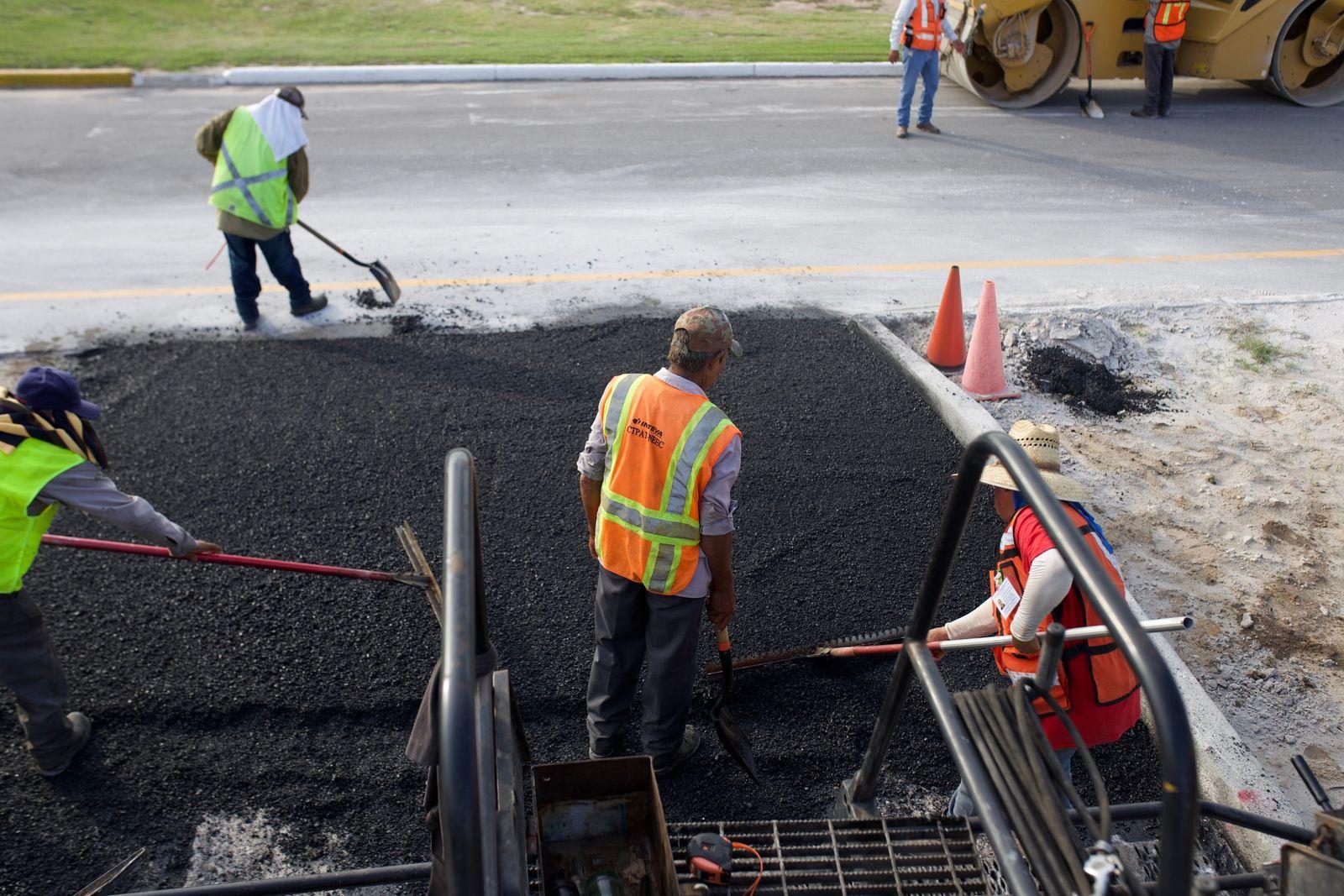
Bitumen Surfacing & Hot Spray Sealing Contractors in Sydney & NSW
All-Weather, Cost-Effective Bitumen Spray Seals for Long Roads, Acreage & Yards
When you need to seal a long semi-rural driveway, an agricultural access lane, a subdivision haul road, or a large industrial equipment yard across outer Sydney or regional NSW, hot bitumen spray sealing (chip sealing) offers an unmatched balance of weatherproof durability and per-square-metre economy.
Operating from Campsie (NSW 2194) across Sydney’s semi-rural growth fringes (Hawkesbury, Hills District, Penrith, Camden, Macarthur, Wollondilly) and regional NSW, National Road Surfacing delivers single-coat, two-coat, and polymer-modified bitumen spray seals engineered over properly prepared granular bases.
- Primary CTA: Request a Bitumen Sealing Quote | Direct Mobile: 0475 013 264
Understanding Bitumen Spray Sealing vs Hot Mix Asphalt
In everyday Australian conversation, people often use the words “bitumen” and “asphalt” interchangeably—but in road construction they are two distinct surfacing treatments:
- Bitumen is theviscous black liquid hydrocarbon binder refined from crude oil.
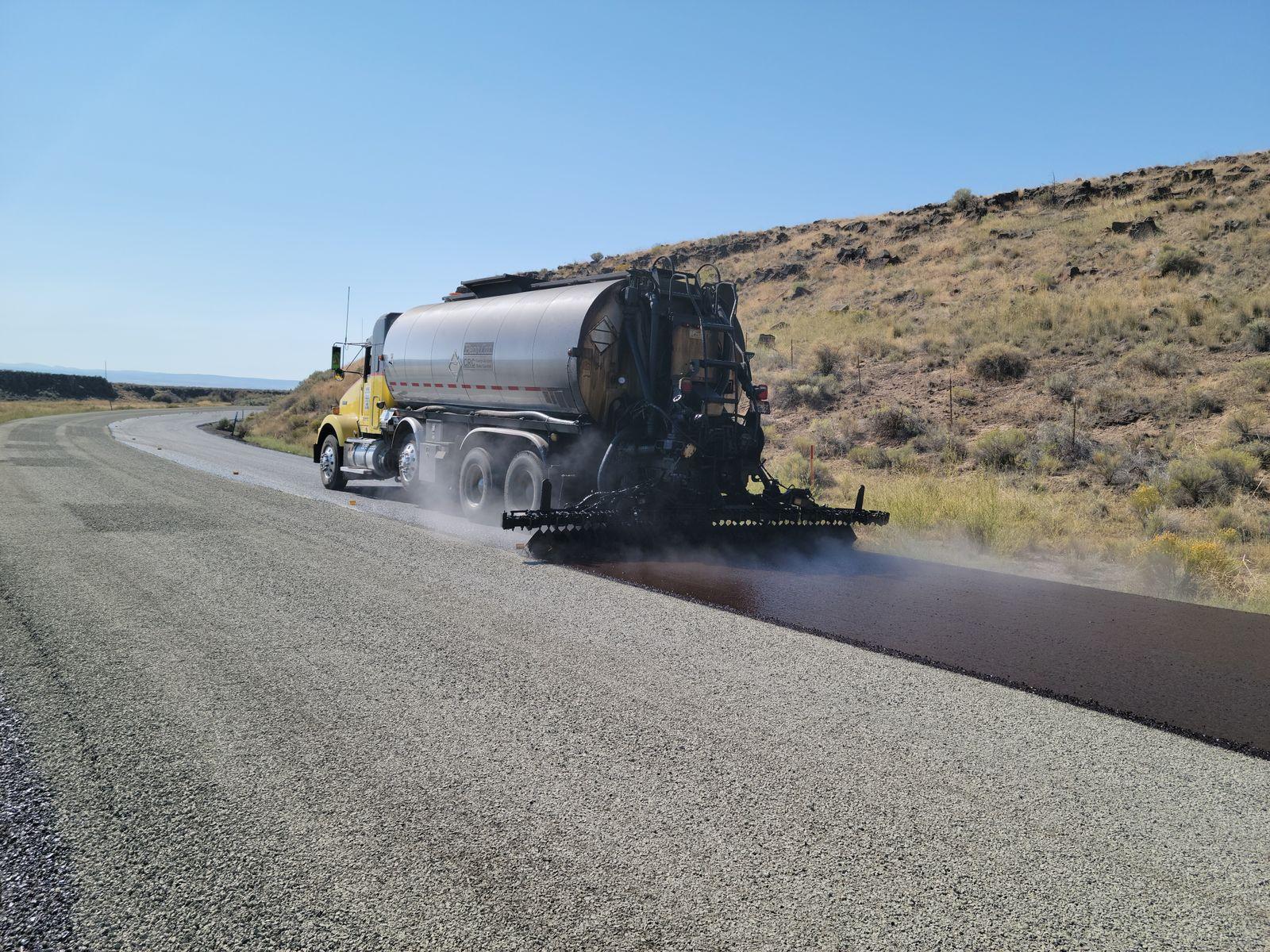
- Bitumen Spray Sealing (Chip Sealing) is a layered surface treatment where hot liquid bitumen (or bitumen emulsion) is sprayed onto a tightly compacted roadbase, immediately followed by spreading a calibrated layer of pre-coated crushed stone aggregate (
14mm,10mm,7mm, or5mm) which is rolled into the binder with pneumatic multi-tyre rollers. - Hot Mix Asphalt mixes bitumen and graded aggregates together in a heated drum plant before laying a thick structural mat through a paver.
When Is Bitumen Spray Sealing the Smarter Choice?
- Large Areas & Long Access Roads (>300 m²): Over long semi-rural driveways, farm roads, and large storage yards, a two-coat bitumen seal typically costs $25 to $45 per m² (+ GST) compared to $45 to $65+ per m² (+ GST) for hot mix asphalt (Bitumen Co Cost Guide).
- Eliminating Dust, Mud & Storm Washouts: Unsealed gravel driveways require constant re-grading after heavy Sydney storms and coat vehicles and homes in dust during dry spells. A two-coat bitumen seal locks the roadbase down with a waterproof, dust-free surface.
- High Surface Macro-Texture & Grip: The exposed stone mosaic of a chip seal provides high wet-weather traction on long, straight slopes and rural access lanes.
- Waterproofing Reseals Over Existing Pavements: Spray sealing is also widely used by councils and asset owners as a periodic maintenance reseal over aged asphalt or bitumen roads to seal micro-cracks and prevent water from reaching the base course.
Important Technical Note on Tight Turning Zones: Because a bitumen spray seal is a thin surface coat (
10mm–20mmtotal stone depth) rather than a 40mm–50mm structural asphalt slab, heavy vehicles or cars turning their wheels while stationary (power-steering lock) at garage aprons or tight cul-de-sacs can pluck stones from a fresh spray seal. For properties with tight turning courts or steep twisting pinch-points, we often recommend a hybrid specification: economical two-coat bitumen spray sealing along the long straight access road, paired with 40mmAC10hot mix asphalt at the garage turning apron and street crossover.
Our Bitumen Surfacing Specifications
1. Cutback Prime Coat Application
Before applying a spray seal over a newly compacted crushed rock roadbase (DGB20), the granular surface must be swept free of loose dust and sprayed with a low-viscosity bituminous prime coat (or primerbinder). The prime penetrates 5mm–10mm into the top of the roadbase, binds fine particles, waterproofs the crown, and creates a strong chemical bond for the structural seal coat.
2. Two-Coat Bitumen Spray Seal (Double/Double Chip Seal)
The gold standard for semi-rural driveways, acreage roads, and commercial yards:
- First Coat: Application of hot C170/C320 or polymer-modified bitumen binder at calibrated spray rates (litres per m²), immediately covered with a primary interlocking stone aggregate (typically
14mmor10mmbasalt/aggregates) and rolled with heavy pneumatic multi-tyre rollers. - Second Coat: A second application of hot bitumen binder followed by a smaller choke aggregate (
7mmor5mm) that locks into the voids of the first stone layer, creating a tighter, quieter, and more durable surface mosaic.
3. Single-Coat Bitumen Reseals & Enrichment
For existing sealed roads and yards that have oxidised in the sun but remain structurally level, a single-coat bitumen reseal restores binder elasticity, seals surface hairline cracks, and adds another 8 to 12 years of waterproof protection.
Our 5-Step Bitumen Spray Sealing Process
- Site Inspection & Gradient Check: We assess road length, longitudinal grades, cross-falls, table drains, and turning circles to confirm whether two-coat bitumen or a hybrid bitumen/asphalt design is optimal.
- Roadbase Grading, Moisture Conditioning & Compaction: Because a spray seal follows the exact contour of the base beneath it, our crew trims, shapes, moisture-conditions, and tightly compacts the
DGB20roadbase until it achieves a hard, smooth, mosaic-like finish. - Mechanical Sweeping & Prime Coat: The prepared base is mechanically broomed and primed to penetrate and seal the granular surface.
- Calibrated Hot Bitumen Spray & Aggregate Spreading: Hot bitumen is applied evenly via spray bar or hand lance in intricate corners, followed immediately by calibrated aggregate chip spreading (
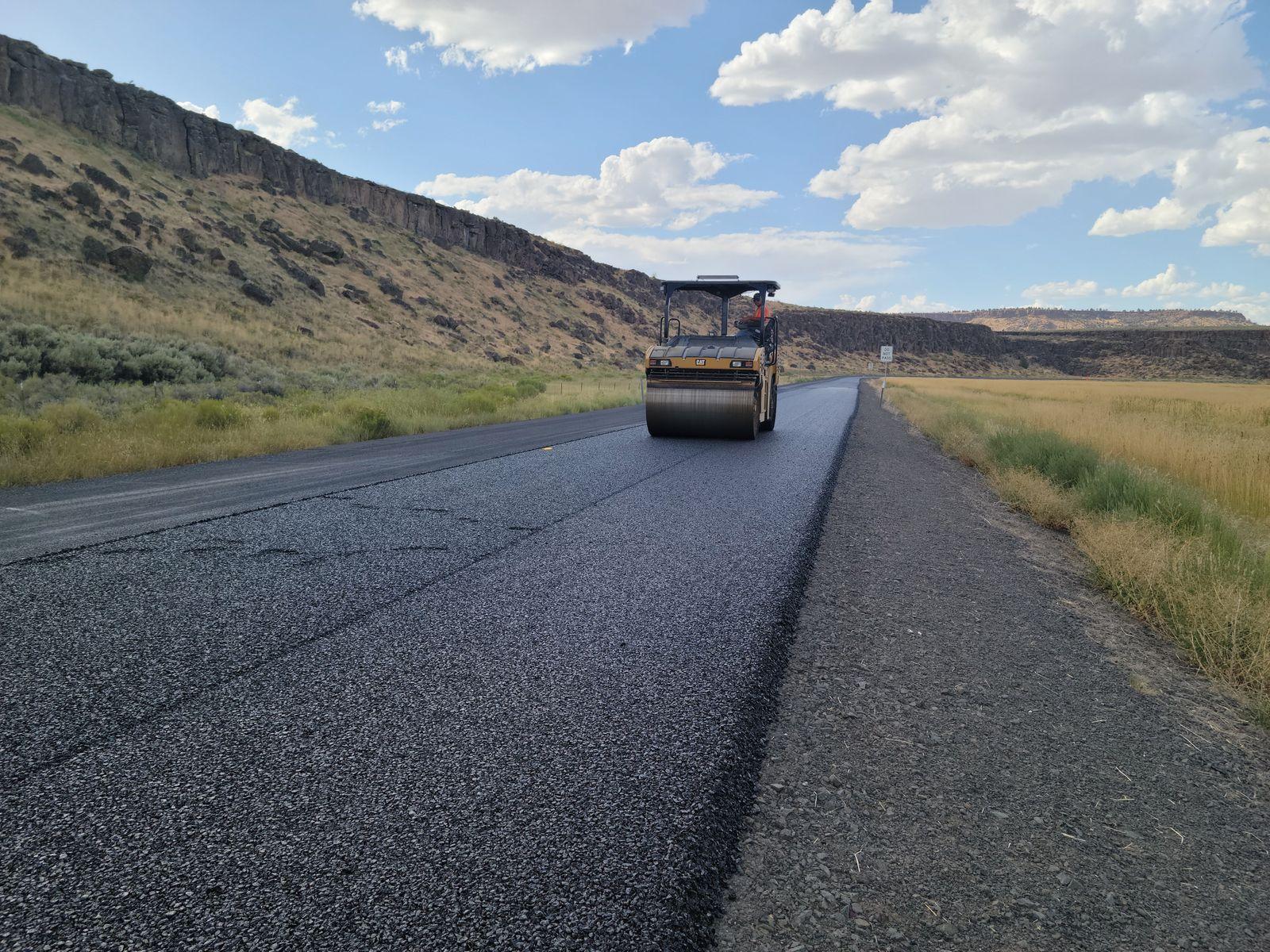
14mm/7mmor10mm/5mm). - Pneumatic Multi-Tyre Rolling & Loose Stone Aftercare: Multi-tyre rubber rollers knead and orient the aggregate stones flat into the warm binder. After initial curing, surplus loose stones are swept cleanly from the surface.
Frequently Asked Questions – Bitumen Surfacing
Why are there loose stones on a new bitumen spray seal during the first few weeks?+
In any bitumen chip seal, a slight excess of aggregate (~5%–10%) is intentionally spread during construction so the hot bitumen never sticks to roller tyres and every square millimetre of binder is fully covered by stone. Normal vehicle rolling over the first 2 to 4 weeks helps press the stone mosaic tighter together, after which any remaining loose stones are swept away.
Can bitumen spray sealing be laid on very steep driveways?+
On gentle to moderate gradients, two-coat bitumen performs exceptionally well and offers high wet-weather grip. However, on very steep gradients (>12%–15%) or sharp hairpins where tyres spin or brake heavily, we recommend hot mix asphalt (AC10 or AC14) because its thicker, interlocked structural mat resists shear forces far better than a thin surface seal.
Still have questions? Contact our team.
Planning a Bitumen Spray Sealing Project?
Tell us about your driveway or access road and our team can discuss seal coat options.