
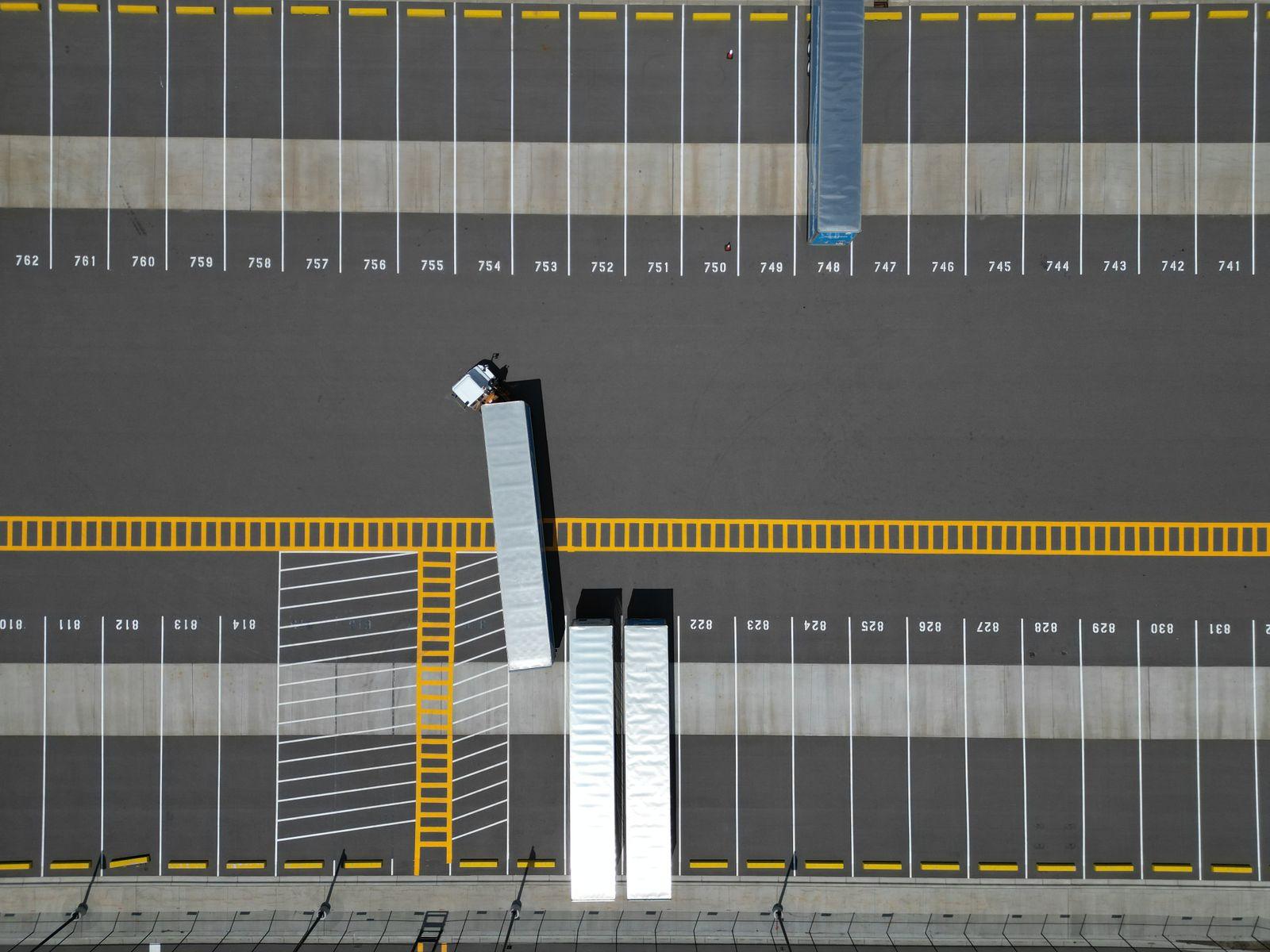
Industrial Asphalt Surfacing & Heavy-Duty Hardstand Construction in Sydney
High-Strength Flexible Pavements Engineered for Heavy Axle Loads, Forklifts & Container Yards
An industrial logistics yard, freight terminal, manufacturing plant, or warehouse hardstand experiences punishment that is orders of magnitude more severe than a standard suburban street. Under Australian pavement engineering principles, road wear scales exponentially with axle load (the Fourth Power Law)—meaning a single fully loaded semi-trailer or B-double imparts equivalent structural stress to thousands of passenger cars. Compounding this, counterbalance forklifts and articulated prime movers executing tight, slow-speed turns exert extreme horizontal shear forces and static point loads on the surface.
Operating from Campsie (NSW 2194) with rapid access to Sydney’s primary industrial corridors—Wetherill Park, Smithfield, Eastern Creek, Arndell Park, Silverwater, Chullora, Bankstown, Moorebank, Ingleburn, and Port Botany—National Road Surfacing constructs and rehabilitates heavy-duty industrial asphalt pavements and hardstands built to withstand heavy commercial operations.
- Primary CTA: Consult on Your Industrial Pavement Project | Direct Mobile: 0475 013 264
Why Standard Asphalt Fails in Industrial Yards (And How We Prevent It)
| Common Industrial Pavement Failure | Root Cause in Poorly Specified Yards | National Road Surfacing Engineering Solution |
|---|---|---|
| Deep Wheel-Track Rutting & Shoving | Single thin layer of fine AC10 asphalt laid over inadequate granular roadbase that shears under slow-moving truck tyres. |
Multi-Layer Structural Design: Compacted high-CBR DGB20 base + deep-lift AC20 structural base/intermediate asphalt (75mm–150mm+) topped with a 45mm–50mm AC14 or Stone Mastic Asphalt (SMA) wearing course. |
| Power-Steering Scuffing & Tearing | Tri-axle trailers and forklifts scrubbing tyres on the spot in loading bays using soft conventional binders. | High-Stability Aggregate Skeleton: Specifying coarser AC14 or stone-on-stone SMA mixes with stiffer binders (such as C320/A15E polymer-modified binders where required) that resist torsional shear. |
| Sunken Stormwater Grates & Pit Surrounds | Heavy wheels breaking down poorly compacted backfill around concrete drainage pits. | Reinforced Pit Collar Integration: Full-depth deep-lift AC20 compaction around heavy-duty Class D (AS 3996) cast-iron grates and concrete aprons. |
| Delamination Between Asphalt Lifts | Dust or moisture left between base and wearing courses causing the top layer to slide under heavy braking. | High-Bond Tack Coating: Mechanical sweeping and full-coverage cationic bitumen emulsion tack coating between every asphalt lift so the pavement acts as one monolithic beam. |
Industrial Surfacing Applications We Deliver
- Warehouse Hardstands & Freight Yards: New full-depth construction and mill-and-fill rehabilitation of heavy truck marshalling areas, trailer parking aprons, and intermodal yards.
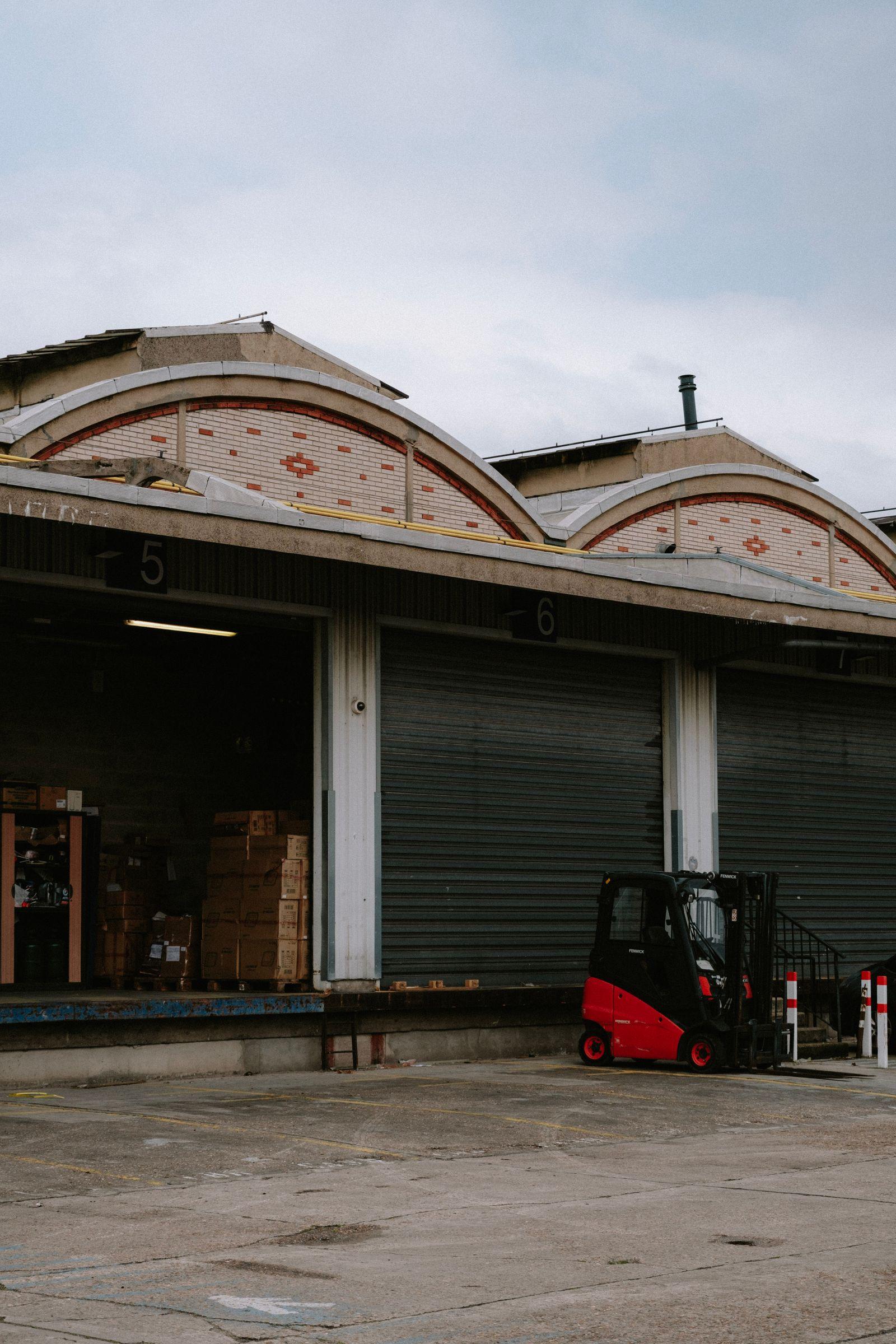
- Loading Docks & Roller-Door Approaches: Precision grading and paving to tie seamlessly into concrete warehouse slabs and recessed loading dock levellers while shedding stormwater away from building thresholds.
- Heavy Vehicle Turning Circles & Access Roads: High-shear-resistance surfacing for B-double and semi-trailer turning sweeps, weighbridge approaches, and industrial estate spine roads.
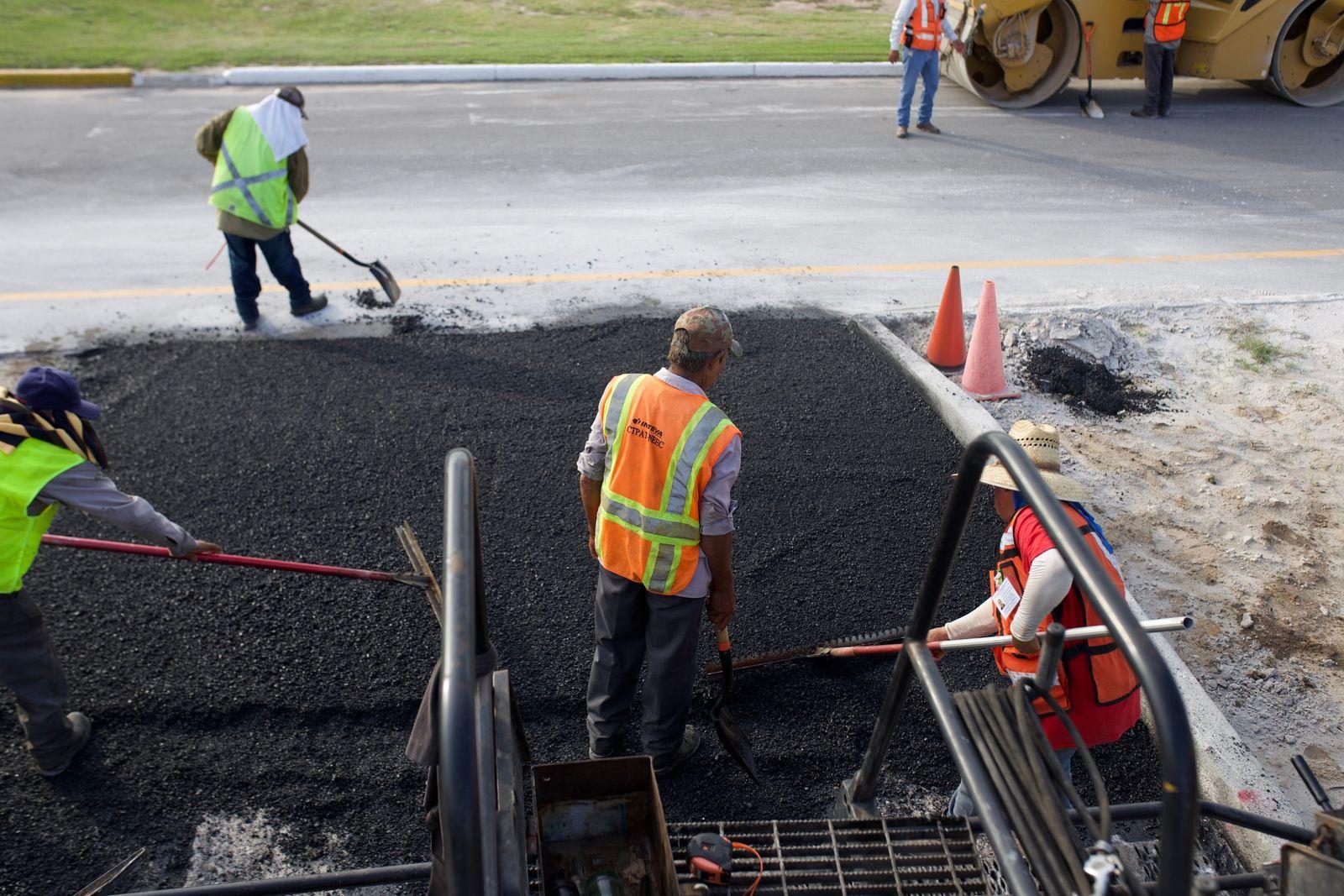
- Deep-Lift Structural Patching & Trench Restoration: Rapid weekend or night-shift saw-cut deep-lift (
100mm–200mm) asphalt patching in high-traffic forklift and truck lanes so logistics operations never grind to a halt.
Typical Heavy-Duty Industrial Pavement Profiles (Indicative Guide)
(Final pavement design thickness is tailored to site subgrade CBR and design Equivalent Standard Axles [ESAs] or civil engineer drawings.)
| Industrial Traffic Category | Typical Vehicles | Indicative Granular Base (DGB20) |
Indicative Structural Base Course (AC20) |
Indicative Wearing Course (AC14 / SMA) |
|---|---|---|---|---|
| Light Industrial / Trade Unit Complex | Vans, utilities, rigid delivery trucks (up to MR) | 150 mm – 200 mm compacted | Optional / 50 mm AC20 in main throat |
40 mm – 50 mm AC14 |
| Medium Freight & Distribution Warehouse | Daily HR rigid trucks & semi-trailers | 200 mm – 250 mm compacted | 65 mm – 80 mm AC20 |
45 mm – 50 mm AC14 or SMA |
| Heavy Logistics & B-Double Hardstand | High-frequency B-doubles, semi-trailers & heavy forklifts | 250 mm – 300 mm+ compacted (or stabilised base) | 90 mm – 140 mm AC20 (laid in two lifts) |
50 mm AC14 (Heavy Duty) or SMA |
Minimising Downtime in 24/7 Logistics & Manufacturing Operations
We understand that blocking a warehouse loading dock or container yard costs thousands of dollars per hour in delayed freight.
- Staged Bay-by-Bay Rehabilitation: We isolate and rehabilitate one loading zone or circulation lane at a time while keeping adjacent bays fully operational.
- Deep-Lift Asphalt for Rapid Reopening: When excavating failed base areas in live yards, replacing thick granular roadbase with full-depth deep-lift
AC20structural asphalt allows us to excavate, compact, pave, and reopen the heavy vehicle lane within a single weekend window.
Frequently Asked Questions – Industrial Surfacing
Should I use heavy-duty asphalt or reinforced concrete for an industrial hardstand?+
Heavy-duty multi-layer asphalt is significantly faster to install, typically 30%–40% lower in upfront capital cost than thick reinforced jointed concrete slabs, and can be opened to heavy trucks within 24–48 hours rather than waiting 28 days for concrete strength curing. For areas where heavy container reach-stackers drop steel Twistlocks or where trucks park stationary on small steel landing-gear legs for days, we often recommend a composite design: poured concrete pads strictly under the stationary container-leg / landing-gear drop zones, surrounded by economical heavy-duty AC20/AC14 asphalt across all circulation aisles and turning aprons.
Still have questions? Contact our team.
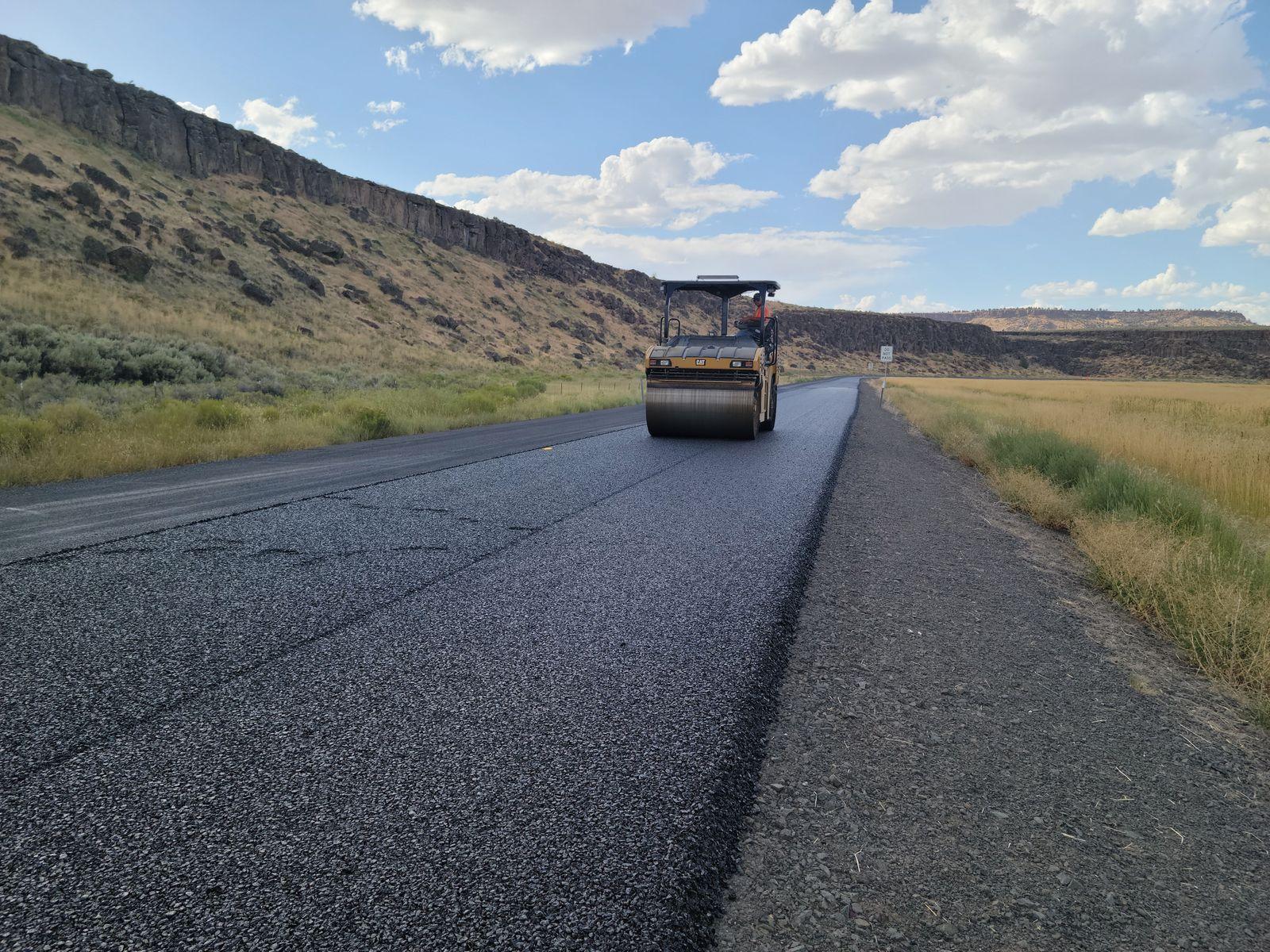
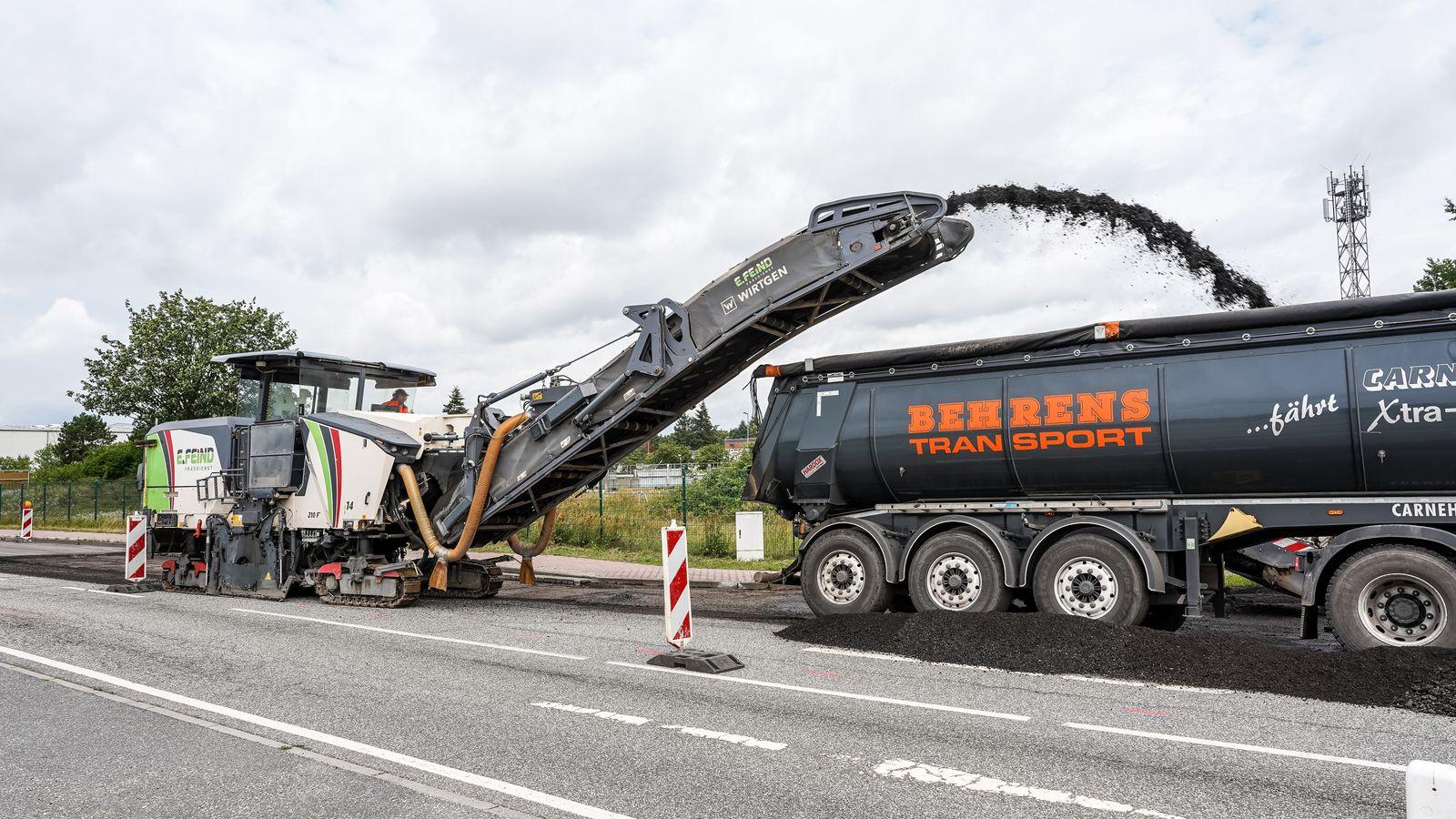
Planning an Industrial Hardstand Project?
Tell us about your loading and traffic requirements and our team can recommend the right pavement depth.