
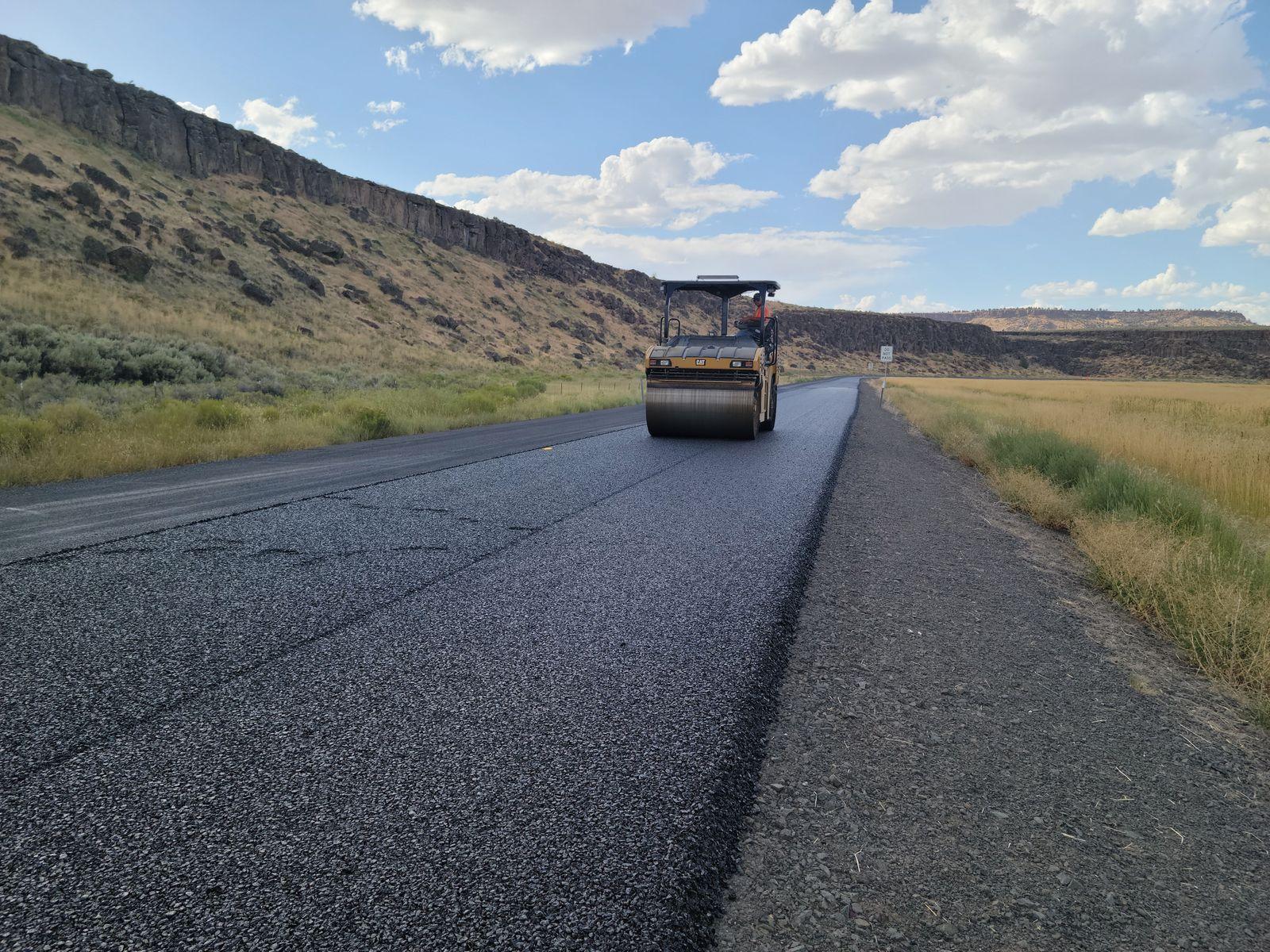
Asphalt Surfacing & Hot Mix Paving Services in Sydney, NSW
Specification-Grade Hot Mix Asphalt Supply & Installation
Whether you are constructing a new subdivision road, paving a commercial access way, surfacing a school courtyard, or finishing civil infrastructure works, National Road Surfacing provides complete hot mix asphalt surfacing across Sydney and New South Wales.
Operating from our central base in Campsie (NSW 2194), we manage the entire paving sequence—from subgrade trimming and crushed rock roadbase compaction (DGB20) through to prime/tack coating, mechanical screed paving, hand raking, and multi-stage roller compaction.
- Primary CTA: Get an Asphalt Surfacing Quote | Direct Mobile: 0475 013 264
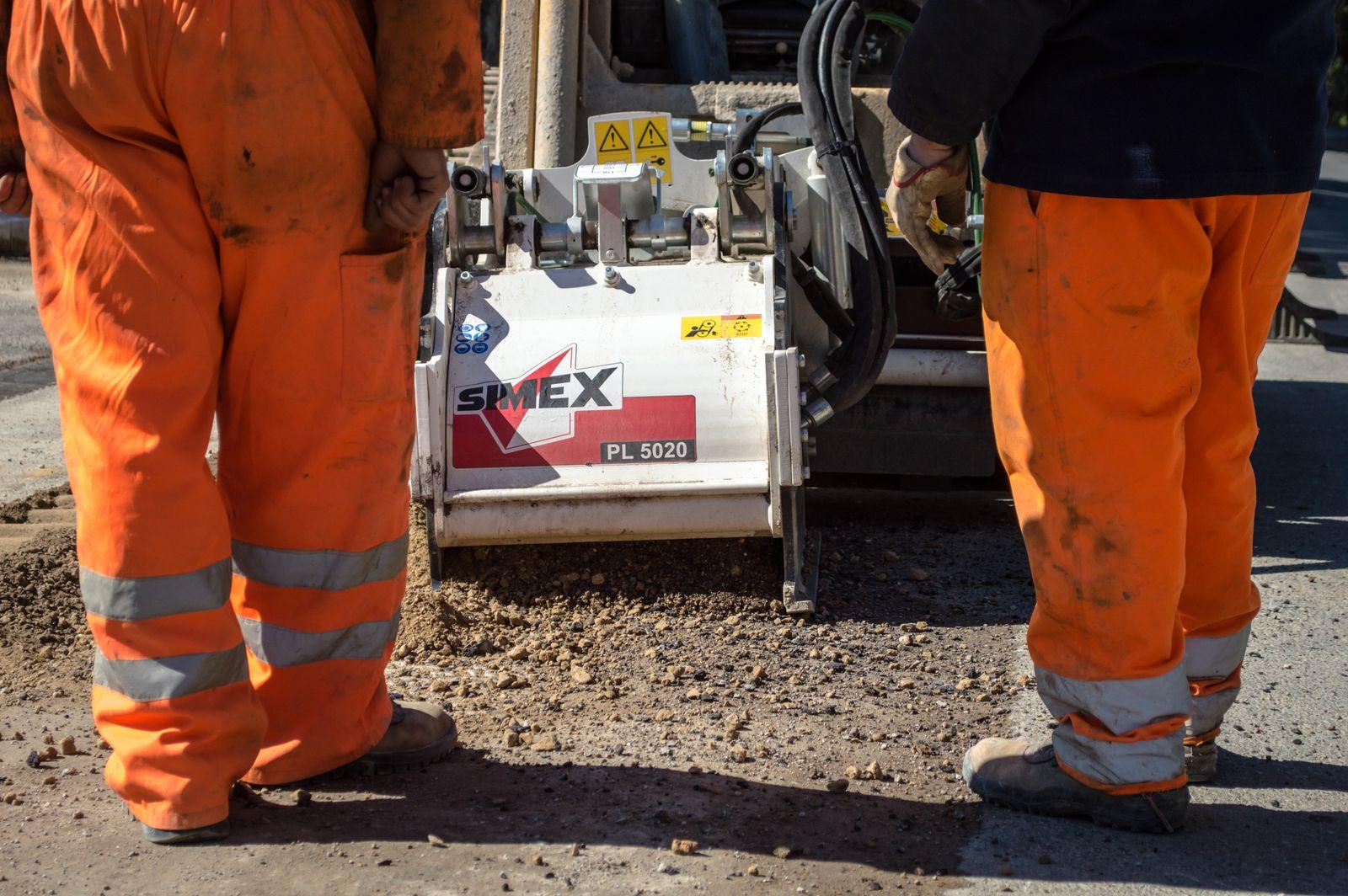
What Is Hot Mix Asphalt Surfacing?
Hot Mix Asphalt (HMA)—often referred to in NSW civil specifications as Asphaltic Concrete (AC)—is a precision-engineered mixture of graded crushed stone aggregates, fine sand, mineral filler, and refined bitumen binder heated and mixed at an accredited asphalt plant at temperatures between 140°C and 165°C.
Delivered to site in insulated tippers and laid while hot, the asphalt mat is compacted using vibratory steel-drum and pneumatic multi-tyre rollers to lock the aggregate skeleton together. As the mat cools to ambient temperature, it forms a dense, flexible, waterproof, and skid-resistant wearing course capable of carrying immediate traffic without lengthy curing delays.
Australian Asphalt Mix Designations We Supply & Lay
| Mix Designation | Maximum Nominal Aggregate Size | Typical Compacted Layer Thickness | Primary Applications in Sydney & NSW |
|---|---|---|---|
| AC7 (Fine Dense Graded) | 7 mm | 20 mm – 35 mm | Pedestrian footpaths, shared cycleways, sports courts, fine residential driveways, and thin corrective regulation layers. |
| AC10 (Medium Dense Graded) | 10 mm | 30 mm – 45 mm | Residential driveways, strata complexes, light-to-medium commercial car parks, and suburban council street overlays. |
| AC14 (Heavy Dense Graded) | 14 mm | 40 mm – 60 mm | Commercial car park drive aisles, council collector roads, bus routes, industrial access roads, and subdivision wearing courses. |
| AC20 (Structural Base / Intermediate) | 20 mm | 60 mm – 100 mm+ (per lift) | Deep-lift structural asphalt base courses, heavy-duty industrial hardstands, container yards, and full-depth utility trench restorations. |
| SMA (Stone Mastic Asphalt) | 10 mm / 14 mm | 35 mm – 50 mm | High-stress truck turning circles, industrial loading docks, and high-volume intersections requiring superior rut resistance. |
| OGA (Open Graded Asphalt) | 10 mm / 14 mm | 30 mm – 45 mm | Free-draining porous surfaces that reduce surface water spray and tyre noise on specialised roadways and pathways. |
Key Customer Benefits of Professional Asphalt Surfacing
- Rapid Return to Service (24–48 Hours): Unlike poured concrete slabs that require weeks of curing, hot mix asphalt can be opened to passenger vehicles within 24 hours and heavy trucks within 24–48 hours.
- Superior Structural Flexibility: Flexible asphalt pavements distribute wheel loads into the underlying base course and accommodate minor seasonal movement in Sydney’s reactive clay soils without snapping into rigid slabs.
- Lower Whole-of-Life Cost: Asphalt is typically 30% to 45% more economical to install than reinforced concrete (Mr Asphalt Guide, Bitumen Co) and can be periodically rejuvenated or resurfaced via cold milling without demolishing the underlying roadbase.
- High Skid Resistance & Low Glare: The textured aggregate matrix delivers dependable wet-weather grip while the dark charcoal finish eliminates harsh sunlight glare and provides high visual contrast for white and yellow line markings.
- 100% Recyclable Material: Reclaimed Asphalt Pavement (RAP) milled from older surfaces can be recycled into new base courses and sustainable asphalt mixes (Boral Asphalt).
Applications & Industries We Serve
- Civil & Subdivision Roadworks: New residential and industrial subdivision roads, cul-de-sacs, temporary construction haul roads, and road widenings.
- Commercial & Retail Developments: Shopping centre access roads, loading docks, fast-food drive-thru lanes, and customer car parks (Car Park Construction).
- Industrial & Logistics Facilities: Freight depots, warehouse hardstands, container storage pads, and truck turning aprons (Industrial Surfacing).
- Council, Civic & Education Assets: Footpaths, shared bicycle paths, school playgrounds, multipurpose basketball/tennis courts, and cemetery/park roadways.
- Residential & Strata Properties: Private driveways, battle-axe accessways, townhouse common areas, and council vehicular crossovers (Driveway Surfacing).
Our 6-Stage Asphalt Surfacing Process
- Site Survey, Levels & Subgrade Assessment: We check site access, underground services, subgrade California Bearing Ratio (CBR) stability, and design cross-falls (typically 2% to 3% fall to shed stormwater cleanly into kerbs or grated pits).
- Earthworks & Unbound Granular Roadbase (
DGB20): If building a new pavement, we excavate to design subgrade level, proof-roll to detect soft spots, and spread and compact crushed rock roadbase (DGB20) in controlled moisture-conditioned lifts. - Edge Restraints & Drainage Integration: We install or tie into concrete kerbs and gutters, dish drains, brick/concrete mowing strips, and adjust stormwater pit grates and utility lids to match finished surface levels.
- Prime & Bituminous Tack Coating: Granular bases receive a prime seal where specified, and existing asphalt or concrete surfaces are swept clean and sprayed with a cationic bitumen emulsion tack coat to create an inseparable bond between layers.
- Machine Paving & Precision Hand Placement: Hot mix asphalt is laid through a self-propelled mechanical paver for level accuracy and mat uniformity, while experienced rake hands detail tight corners, drainage dishing, and transitions.
- Compaction Rolling & Joint Sealing: Vibratory steel-drum rollers achieve initial breakdown and density compaction, followed by pneumatic multi-tyre or finish rollers to seal surface pores and iron out roller marks. Longitudinal and transverse cold joints are cut square and sealed with hot bitumen tape or emulsion.
Important Engineering Considerations for Sydney Sites
- Reactive Clay Subgrades in Western & South-West Sydney: Many suburbs across Western Sydney, Canterbury-Bankstown, and Macarthur sit over reactive plastic clays that swell when wet and shrink in dry periods. Adequate
DGB20base thickness (or lime/cement stabilisation on heavy civil jobs) and subsoil drainage are critical to prevent edge drop-off. - Laying Temperature & Ambient Weather: As highlighted in Austroads Pavement Work Tips, hot mix asphalt must be compacted before the mat cools below its cessation temperature (typically ~85°C–90°C). Thin lifts (
25mm–30mm) cool rapidly in winter winds and require prompt roller coverage directly behind the screed. - Preventing Power-Steering Scuffing: Fresh asphalt remains slightly malleable during its first few weeks of oxidation, particularly during hot 35°C+ Sydney summer days. Advising drivers to avoid dry-steering (turning wheels while stationary) preserves the surface texture.
Frequently Asked Questions – Asphalt Surfacing
What thickness of asphalt do I need for my project?+
Thickness depends on vehicle axle weights and the strength of the underlying base. Pedestrian paths and light residential driveways over a compacted 150mm roadbase typically use 30mm to 40mm of AC7 or AC10. Commercial car parks and light truck access lanes generally require 40mm to 50mm of AC10 or AC14 over 150mm–200mm+ of roadbase. Heavy industrial hardstands often require a two-layer system (e.g., 65mm–100mm of AC20 structural base course topped with 40mm–50mm of AC14 or SMA wearing course). Read our technical guide: Understanding Australian Asphalt Mix Types.
Can you lay asphalt directly over an existing concrete slab or driveway?+
Yes, provided the concrete slab is structurally stable and not rocking or severely shattered. We clean the concrete, treat expansion joints to minimise reflective cracking, mill tie-in rebates at the garage and street edges, apply a heavy bitumen tack coat, and lay a minimum 35mm–50mm asphalt overlay.
Do you supply and lay small tonnages as well as large machine-paved jobs?+
Yes. We coordinate both hand-laid small-tonnage crews for confined sites, pathways, and trench reinstatements, and full mechanical paver crews for large commercial, industrial, and civil roadworks across Sydney.
Still have questions? Contact our team.
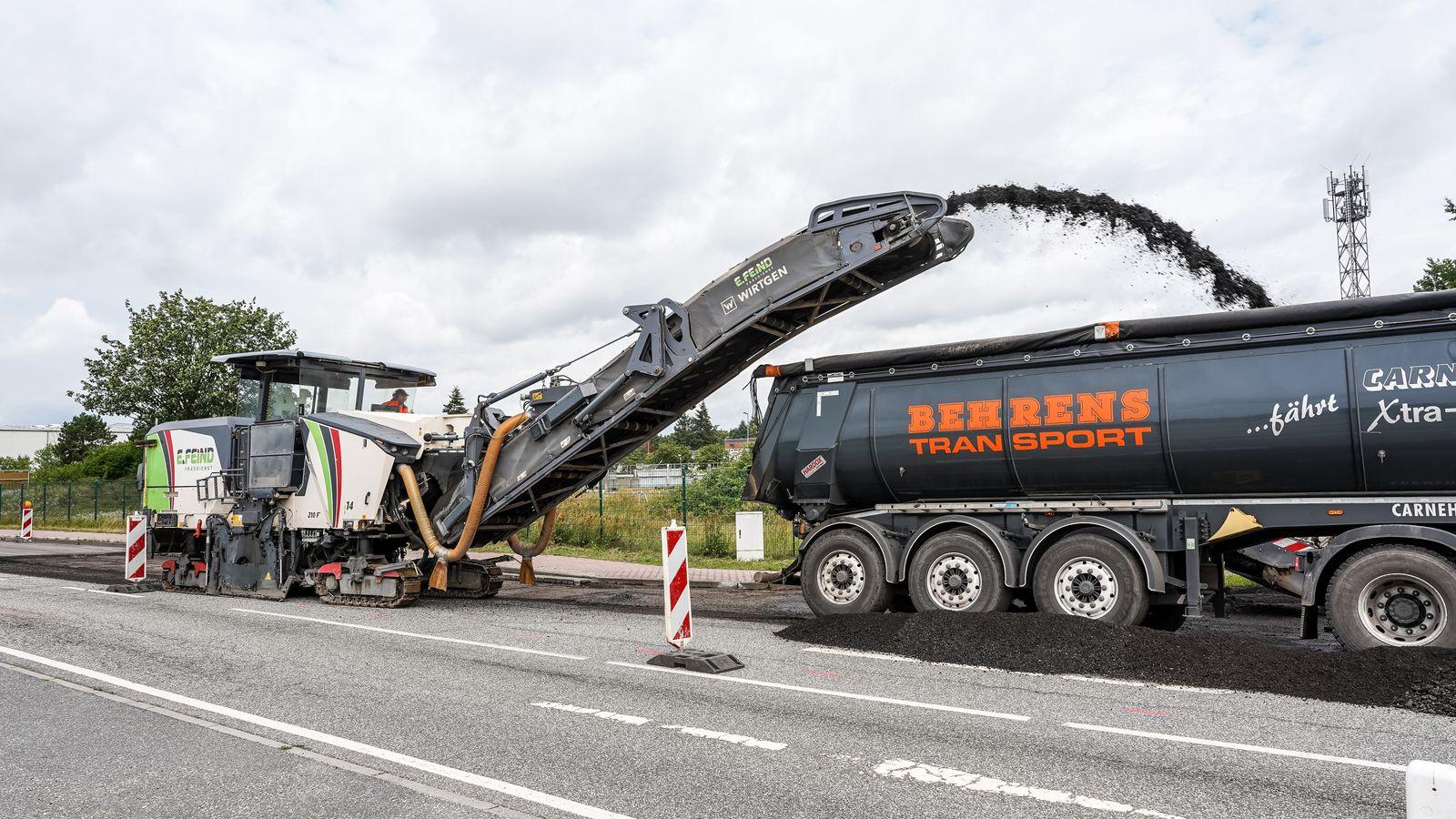
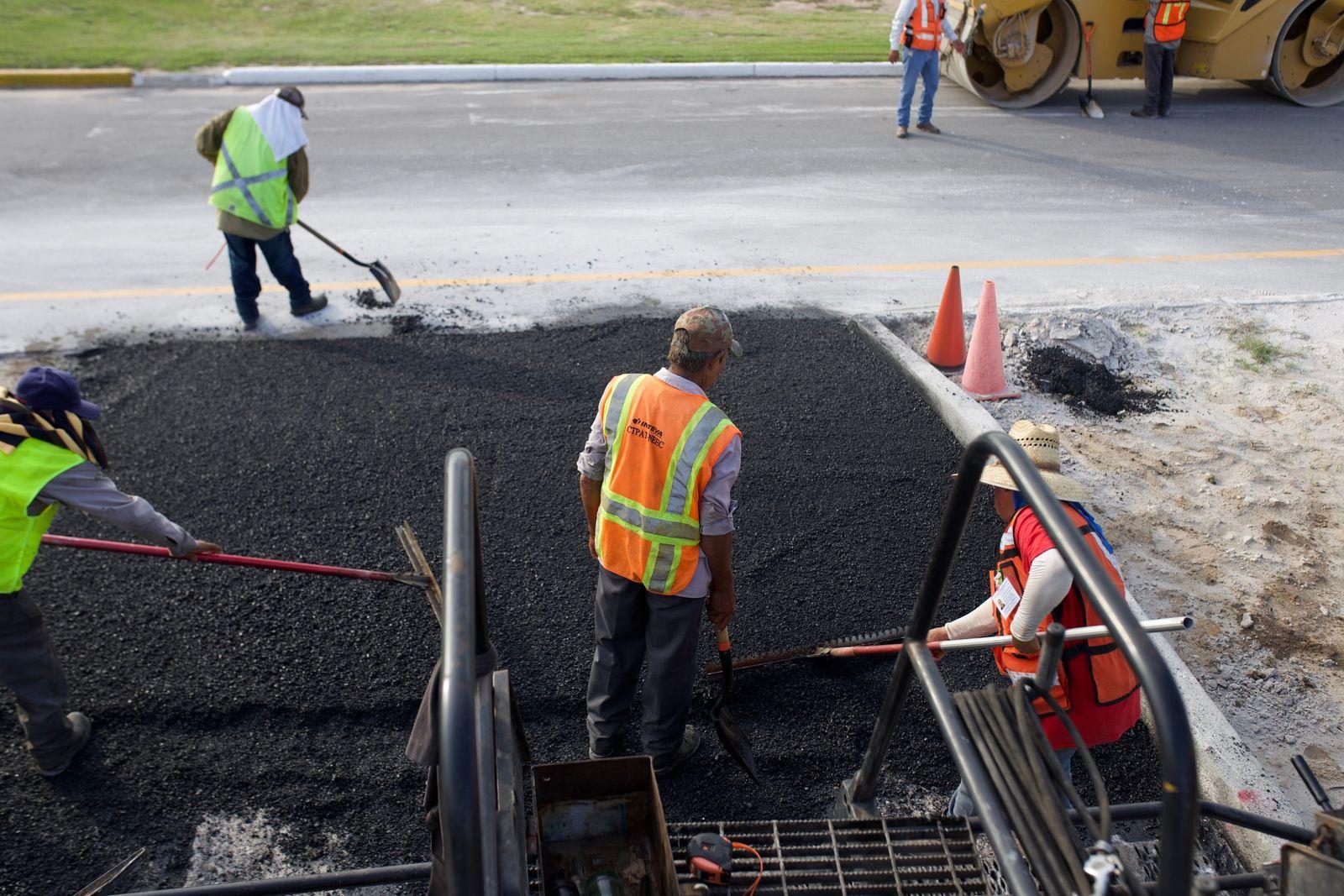
Planning an Asphalt Surfacing Project?
Tell us about your site and our team can discuss hot mix specification and scheduling.