
Road Resurfacing, Cold Milling & Asphalt Overlay Services in Sydney
Restore Aged Pavements Without the Cost of Full Reconstruction
Over 15 to 25 years of exposure to UV radiation, oxidation, heavy rain, and constant traffic loading, the top wearing course of any asphalt road, car park, or industrial yard eventually becomes brittle, loses fine aggregate (raveling), and develops surface cracking.
If you act before water penetrates and destroys the underlying granular roadbase, road resurfacing—also known as asphalt mill and fill or structural overlaying—restores a brand-new, smooth, waterproof wearing course at 40% to 60% less cost and in a fraction of the time required for full-depth pavement excavation and reconstruction.
National Road Surfacing delivers precision cold milling, base remediation, and hot mix asphalt resurfacing across Greater Sydney and NSW from our operational hub in Campsie (NSW 2194).
- Primary CTA: Book a Resurfacing Site Assessment | Direct Mobile: 0475 013 264
Resurfacing vs Full Reconstruction: Which Does Your Site Need?
| Assessment Factor | Asphalt Resurfacing (Mill & Fill / Overlay) | Full-Depth Pavement Reconstruction |
|---|---|---|
| Existing Base Condition | Granular roadbase and subgrade remain predominantly stable (<15%–20% localised base failure). | Widespread base failure, soft pumping clay subgrade, or deep structural rutting across >30% of the site. |
| Typical Defect Signs | Oxidised grey appearance, loose stones (raveling), surface crazing, minor potholes, or faded levels. | Deep wheel-track ruts (>25mm), widespread “crocodile” fatigue cracking, and water pumping through cracks. |
| Construction Scope | Cold mill existing wearing course (30mm–50mm), patch isolated soft spots, tack coat, and lay new hot mix wearing course. | Excavate entire asphalt and roadbase (200mm–400mm+), stabilise subgrade, import/compact new DGB20, and lay multi-layer asphalt. |
| Speed & Disruption | Very fast—most sections reopen to traffic the same evening or within 24 hours. | Multi-day or multi-week civil excavation and curing program. |
| Relative Cost | Highly economical ($45–$65/m² indicative market range depending on milling depth and access). |
Higher capital outlay ($90–$150+/m² depending on excavation disposal and base depth). |
Our Technical Resurfacing Methods
1. Full-Width Cold Milling & Structural Resurfacing (Mill and Fill)
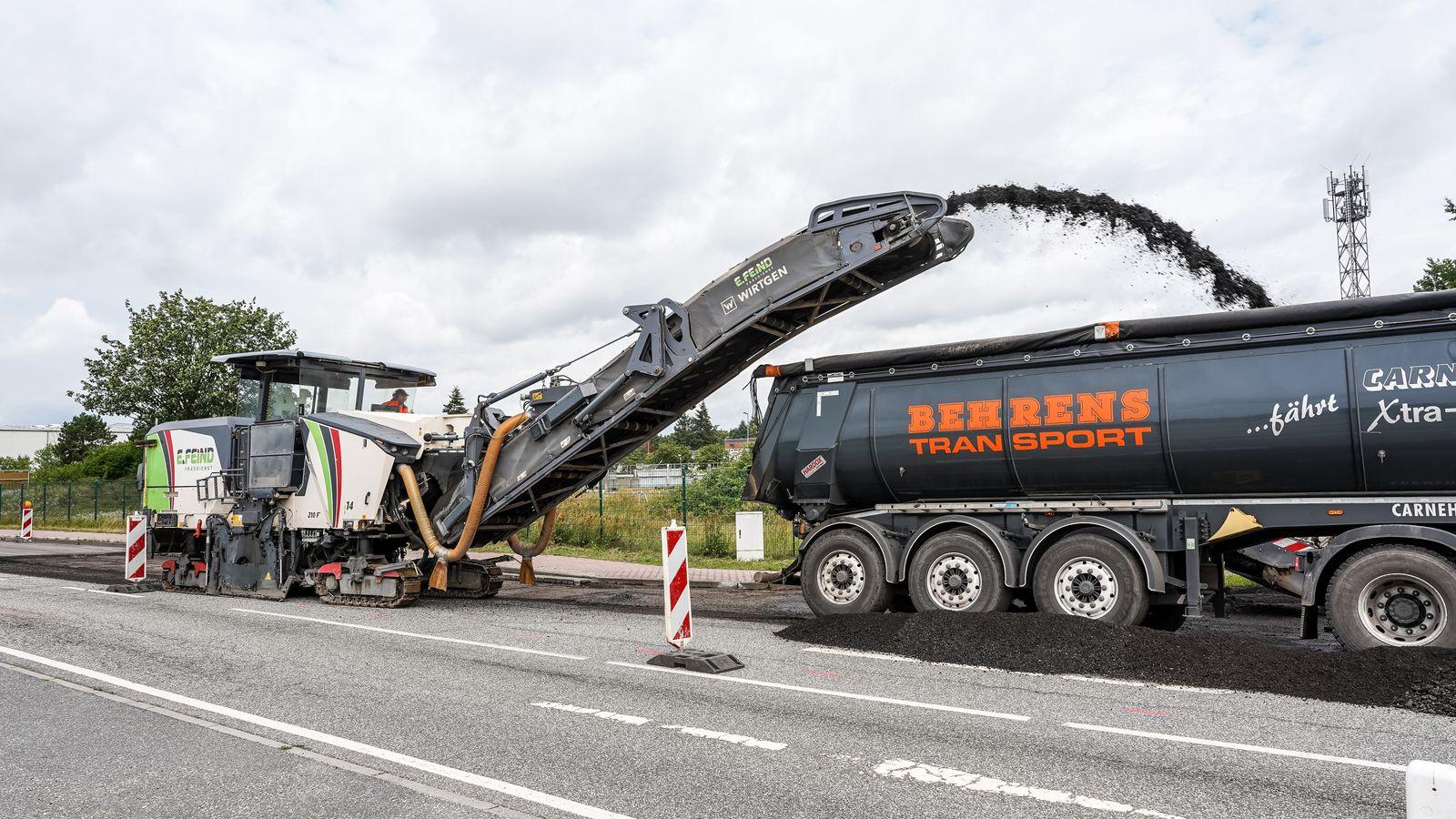
Where existing concrete kerbs, gutters, building thresholds, or stormwater pits dictate fixed finished surface heights, laying a new asphalt layer directly on top would create lip hazards or block water from entering gutters. We use precision Bobcat and road profiling machines to cold-mill 30mm to 60mm off the existing surface, sweep and vacuum the textured substrate, spray a hot bitumen emulsion tack coat, and pave a new AC10 or AC14 wearing course flush with all edges.
2. Edge Rebating & Asphalt Overlay (Sheet Overlay)
On open rural roads, industrial yards, or driveways where raising the finished pavement level by 30mm–40mm is advantageous for drainage and structural thickness, we profile key-in rebates (chase cuts) along the garage entrance, street crossover, and drainage pits so the new asphalt overlay tapers seamlessly to zero lip at every transition.
3. Corrective Regulation & Shape Restoration
When older pavements have settled unevenly and hold shallow puddles (“birdbaths”), we first apply a corrective regulation layer (levelling course) of fine AC7 or AC10 asphalt into the low spots and compact it thoroughly before laying the uniform full-width wearing course over the top. This ensures uniform compaction density and restores positive drainage falls.
Our 5-Step Road Resurfacing Process
- Pavement Condition & Drainage Audit: We inspect the entire surface to map out areas that only need surface milling versus localized areas suffering deep base failure that require full-depth saw-cut heavy patching first.
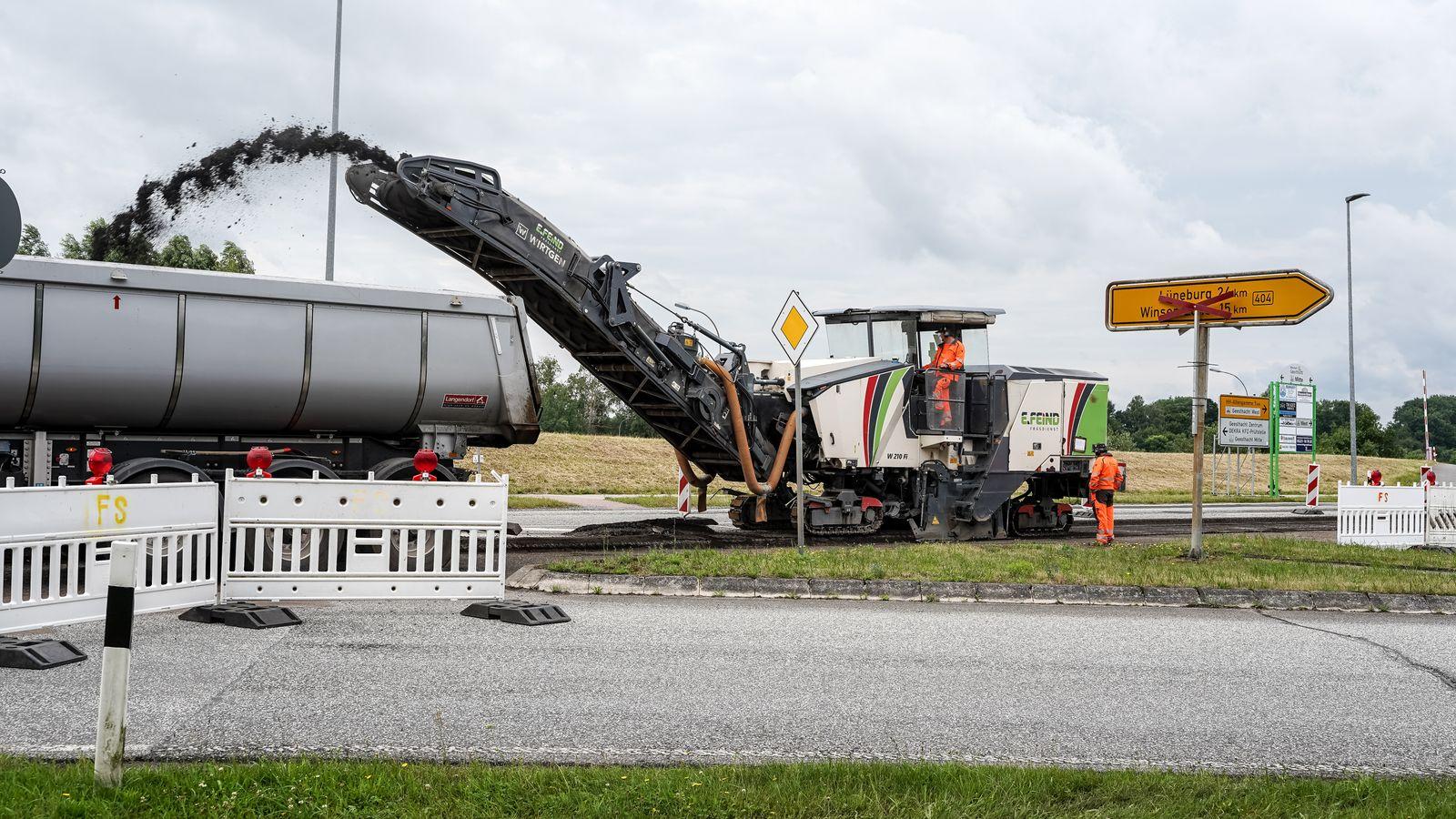
- Cold Milling (Profiling) & Edge Key-Ins: Profiling machines plane away the oxidised asphalt layer and create 30mm–50mm deep square rebates against concrete kerbs, crossovers, and pit surrounds. Milled Reclaimed Asphalt Pavement (RAP) is swept and removed for recycling.
- Localised Base Repair & Crack Treatment: Any exposed soft spots in the roadbase are excavated, backfilled with compacted
DGB20or deep-liftAC20asphalt, and wide structural cracks are sealed to prevent reflective cracking. - High-Pressure Cleaning & Tack Coat Application: The milled pavement is mechanically broomed and blown free of dust before applying a uniform bituminous emulsion tack coat to bond the old and new layers into a monolithic structure.
- Hot Mix Paving, Compaction & Line Reinstatement: We lay the new Dense Graded (
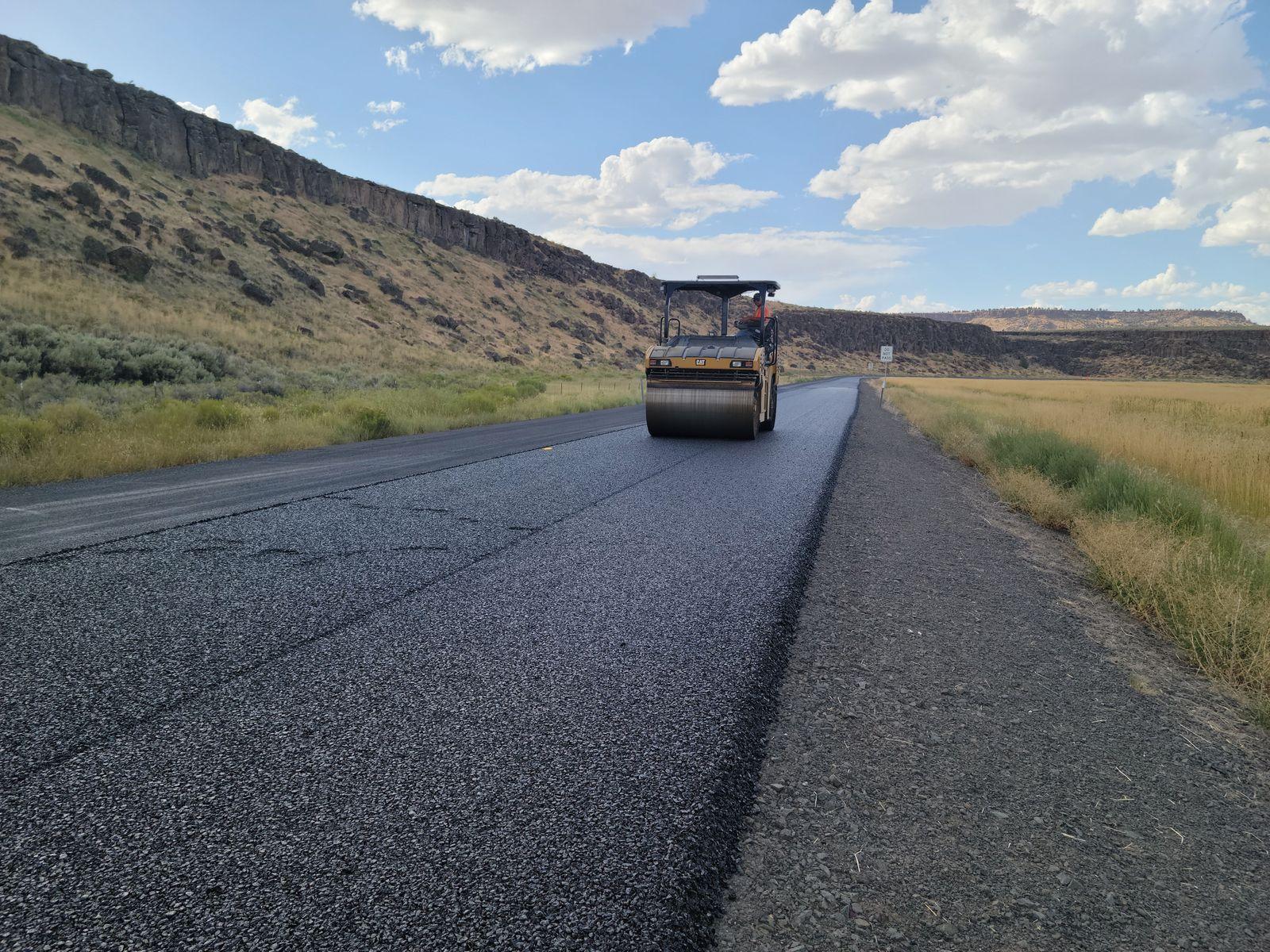
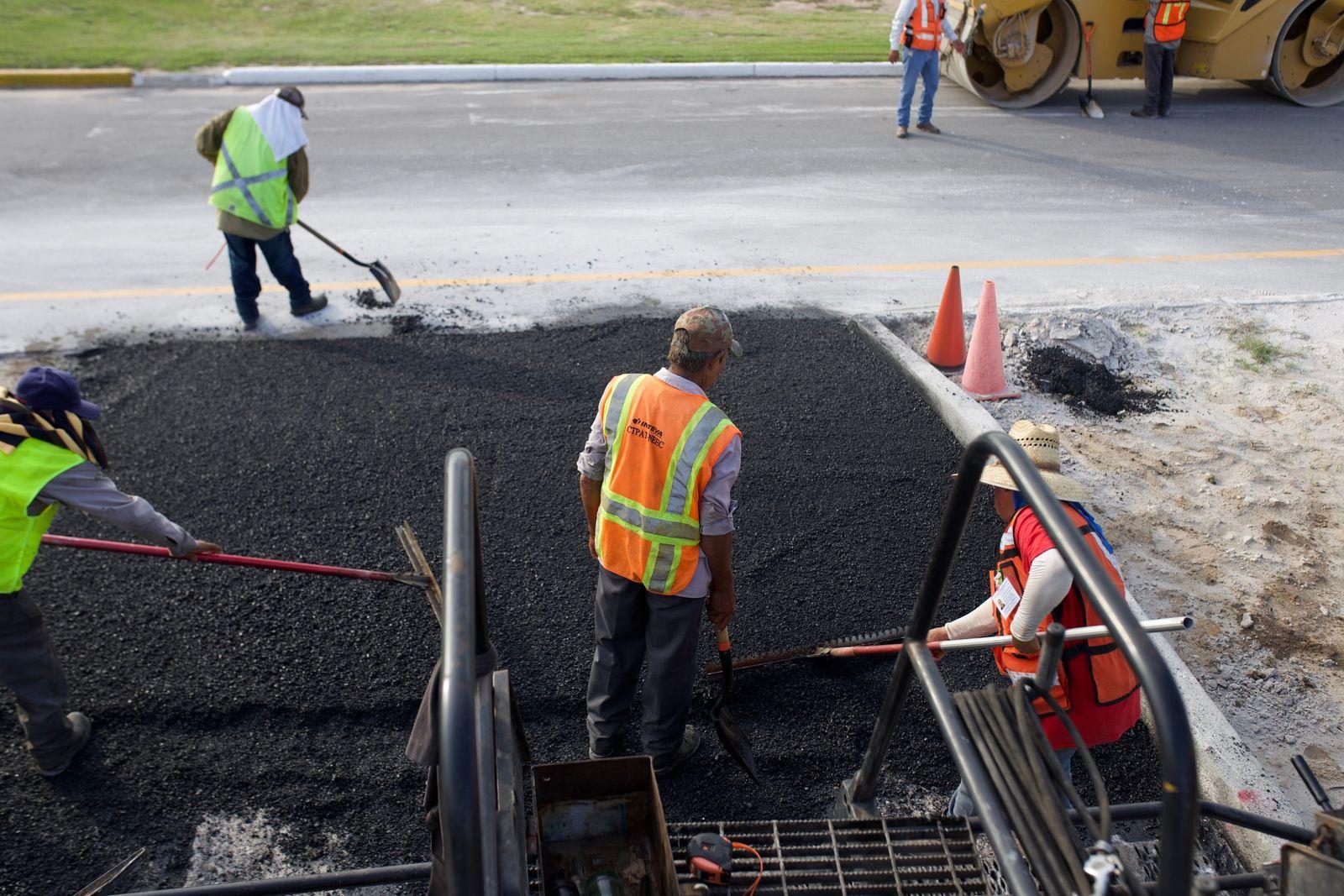
AC10/AC14) or Stone Mastic (SMA) asphalt mat, compact it with vibratory steel-drum and multi-tyre rollers, seal all perimeter joints, and reinstate all line markings and safety signage.
Applications & Industries
- Private & Council Roadways: Suburban streets, cul-de-sacs, estate ring roads, and laneways.
- Commercial Car Parks & Retail Centres: Weekend resurfacing of aged shopping centre and office car parks (Car Park Construction).
- Industrial & Freight Yards: Resurfacing worn forklift alleys, loading docks, and truck turning aprons (Industrial Surfacing).
- Strata & Residential Driveways: Rejuvenating weathered strata common driveways and long private access roads (Driveway Surfacing).
Frequently Asked Questions – Road Resurfacing
Why can't you just lay new asphalt over crocodile-cracked areas without repairing the base?+
Crocodile (alligator) cracking is a structural fatigue failure caused by flexing over a weak or waterlogged roadbase. If a thin asphalt overlay is laid directly over untreated crocodile cracks, traffic flexing will cause the exact same crack pattern to reflect upward through the new asphalt within months (reflective cracking). We always saw-cut and excavate failed crocodile-cracked pockets before laying the full resurface overlay.
What happens to stormwater drains and manhole covers during resurfacing?+
During a mill-and-fill resurface, we profile around service lids and stormwater grates so the new asphalt finishes at the exact existing level. During a structural overlay where surface height increases, we either taper key-in rebates around pits or raise pit frames and covers to match the new finished pavement level.
How long will a resurfaced asphalt road or car park last?+
When laid over a stable base with proper cold milling, tack coating, and drainage falls, a new AC10 or AC14 asphalt resurface typically delivers 15 to 20+ years of service life.
Still have questions? Contact our team.
Planning a Road Resurfacing or Mill & Fill Project?
Tell us about the current surface condition and our team can recommend the right profiling method.