
Asphalt Driveway Construction in Sydney: Base Prep, Edging, Crossovers & Care
By National Road Surfacing · Updated 1 November 2026
Introduction
Whether you are completing a knockdown-rebuild in Sydney’s North Shore or Hills District, surfacing a long battle-axe access lane in the Inner West or Sutherland Shire, or upgrading a semi-rural homestead entrance in Camden or Hawkesbury, your driveway plays a huge role in both your home’s street appeal and daily functionality.
More Sydney homeowners are turning to Sydney asphalt driveway construction because it delivers a sleek, modern charcoal finish that contrasts beautifully with landscaping, costs 30% to 45% less than poured concrete, and can be driven on within 24 to 48 hours. Here is what goes into building a residential asphalt driveway that stays smooth and crack-free for 20+ years.
Step-by-Step: How We Build a Residential Asphalt Driveway
A residential driveway is only as good as its base, its edge restraint, and its water drainage:
1. Excavation & Subgrade Grading
We excavate grass, topsoil, or failed old pavement to a depth of roughly 140mm to 200mm below finished level, shaping the underlying soil with a positive cross-fall (2% or 1:50) so rainwater sheds cleanly toward garden drainage strips, ACO trench grates, or the street gutter.
2. Installing Decorative & Structural Edge Restraints
Because asphalt is compacted under heavy rollers and remains slightly flexible over its life, exposed unretained edges next to soft lawn soil can crumble if someone drives a wheel off the edge. Before laying asphalt, we install permanent edge restraints such as:
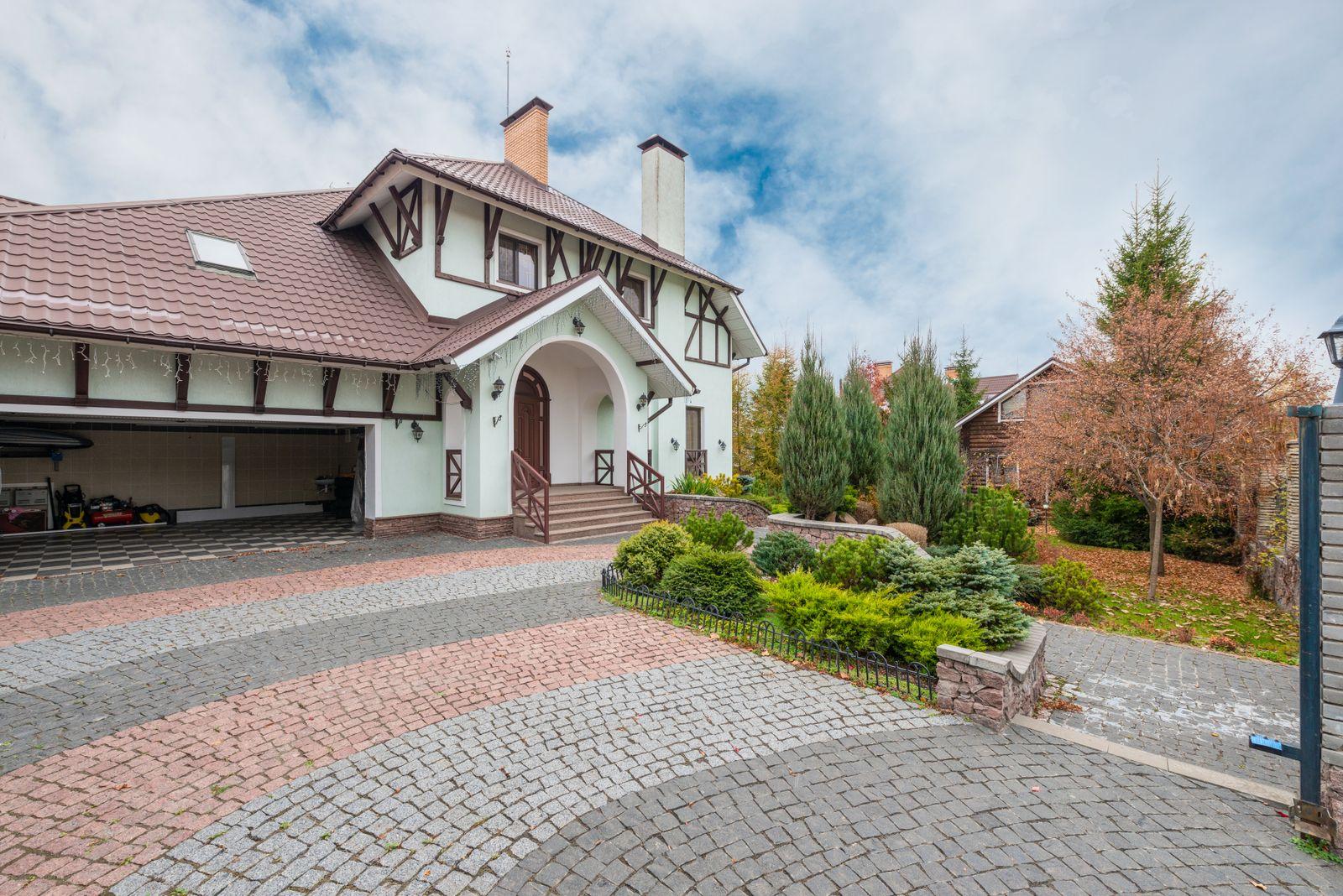
- Brick or Cobblestone Soldier-Course Edging: Laid on a continuous concrete mortar beam (
haunch) along both sides of the driveway for classic architectural framing. - Flush Concrete Mowing Strips or Kerbing: Neat 150mm–200mm wide concrete borders that keep buffalo or kikuyu grass runners out of the asphalt edge and allow lawnmower wheels to run straight along the border.
- Heavy-Duty Steel or Timber Garden Edging: Ideal for winding acreage and bushland driveways.
3. Roadbase (DGB20) Compaction
We import 100mm to 150mm of compacted DGB20 crushed rock roadbase (increasing to 200mm+ if heavy rigid delivery trucks, horse floats, or garbage trucks will use a battle-axe driveway), moisture-condition it, and compact it tightly with vibratory rollers.
4. Drainage Threshold Protection (Garage ACO Drains)
If your driveway slopes downward from the street toward your garage door, NSW building compliance and common sense require a grated channel drain (such as an ACO Drain) connected to your stormwater system directly across the garage threshold, paired with a slight speed-hump crest at the street boundary so road gutter water never floods your property.
5. Laying AC7 or AC10 Fine Hot Mix Asphalt
For residential driveways, we specify 30mm to 40mm compacted thickness of AC7 or AC10 fine Dense Graded Asphalt. Unlike coarse highway mixes, AC7 and AC10 use smaller 7mm–10mm stones and a higher binder content to produce a tight, smooth, velvety black surface that looks refined and is comfortable for bare feet, scooters, and basketballs.
Resurfacing an Old Asphalt or Concrete Driveway
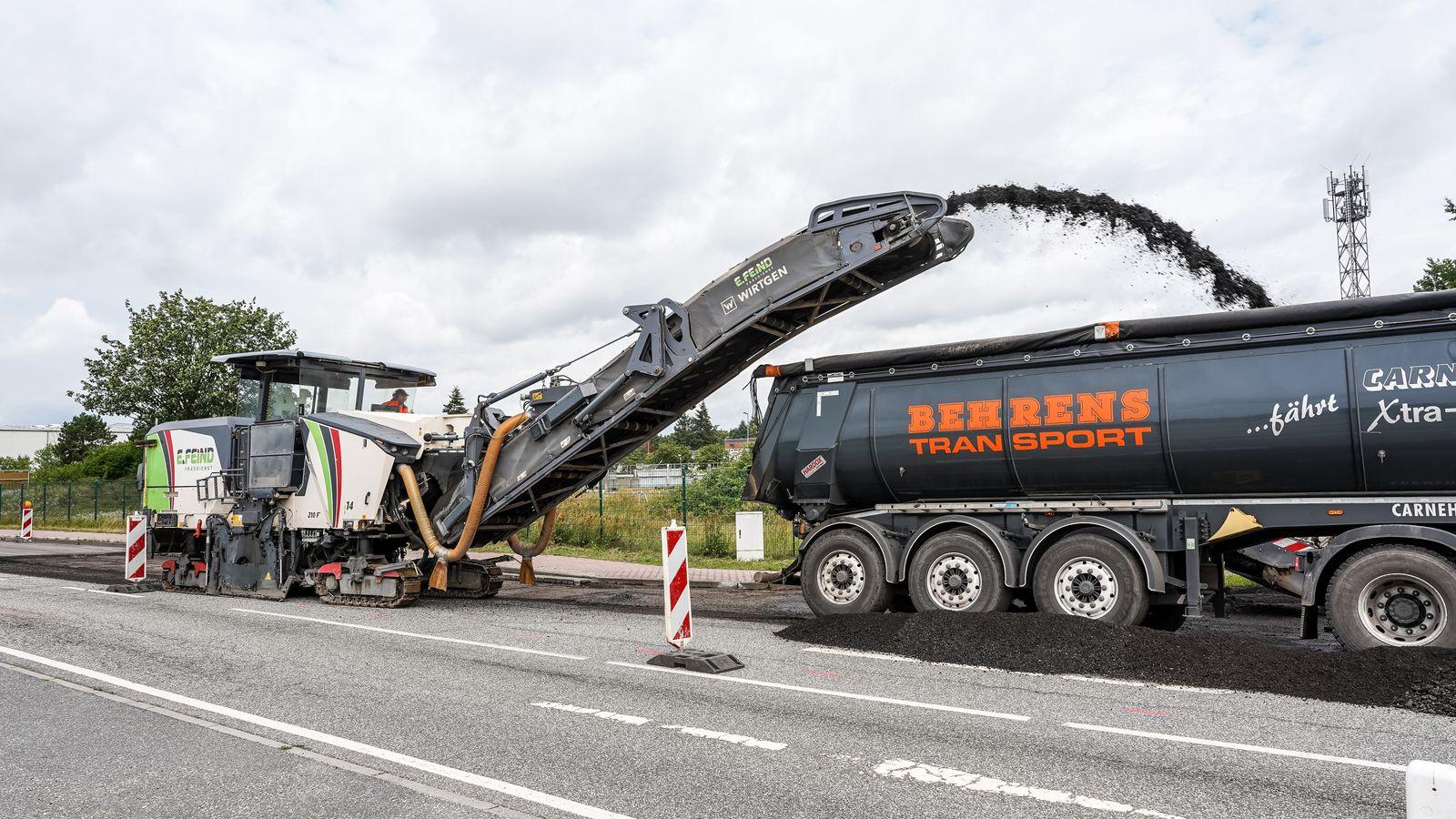
If you already have an older asphalt driveway (or a stable concrete driveway) that is structurally firm but looks weathered or stained, you often don’t need full excavation. We can cold-mill tie-in rebates at the garage door and street crossover, spray a hot bitumen tack coat, and lay a 30mm–35mm hot mix asphalt overlay in just a few hours.
Essential Aftercare Tips for Your New Asphalt Driveway (First 30 Days)
While hot mix asphalt cools enough to walk on within a few hours and drive on after 24 to 48 hours, the bitumen binder near the surface continues to cure and harden through natural oxidation over the first 4 to 6 weeks (especially during warm Sydney summers):
- Keep the Vehicle Rolling While Turning the Steering Wheel: Never turn your car’s front wheels from lock to lock while the car is completely stationary (“dry-steering”), as power steering can twist and scuff warm surface stones. Even rolling at 1 km/h eliminates tyre scuffing.
- Use Coaster Boards Under Point Loads: Place a small offcut of timber or marine plywood under caravan jockey wheels, boat trailer stands, car jacks, and motorcycle kickstands so concentrated metal points don’t sink into the mat on hot days.
- Avoid Parking Heavy Skip Bins or Removalist Trucks on the Edges: Keep heavy delivery trucks centered on the driveway during the first month.
- Hose Down During Extreme 38°C+ Heatwaves (First Summer Only): If Sydney hits an extreme heatwave within the first two weeks after installation, lightly misting the driveway with a garden hose before parking cools and firms the surface binder immediately.
Frequently Asked Questions
Should I choose hot mix asphalt or a bitumen spray seal for a 200-metre acreage driveway?
For driveways under 250–300 m², hot mix asphalt is almost always preferred for its smooth finish. For long acreage driveways (300 m² to 3,000+ m²), semi-rural bitumen driveways using a two-coat spray seal cut material costs by 35%–45%—or we can build a hybrid with two-coat bitumen on the long drive and hot mix asphalt at the house turning apron.
Conclusion & Next Steps
A well-built asphalt driveway combines fast installation, outstanding value, and timeless street appeal. Compare how asphalt stacks up against concrete in our next guide: Asphalt vs Concrete Driveways in Sydney or review our Sydney Asphalt Cost Guide.
Get a free on-site driveway measure in Sydney: Call National Road Surfacing on 0475 013 264 or request your free driveway quote online.
Related Services Mentioned in This Guide
Ready to Transform Your Sydney Driveway?
Or call 0475 013 264Related Guides
Asphalt vs Concrete Driveways in Sydney: Cost, Lifespan, Clay Soil & Maintenance Compared
Asphalt Fundamentals & Mix TypesAsphalt vs Bitumen in Australia: Understanding the Difference & Choosing the Right Surface
Driveways, Costs & Project PlanningFactors Affecting Asphalt Surfacing & Resurfacing Costs per Square Metre (m²) in Sydney