
What Is Asphalt Surfacing? A Complete Guide for Australian Property Owners
By National Road Surfacing · Updated 1 November 2026
Introduction
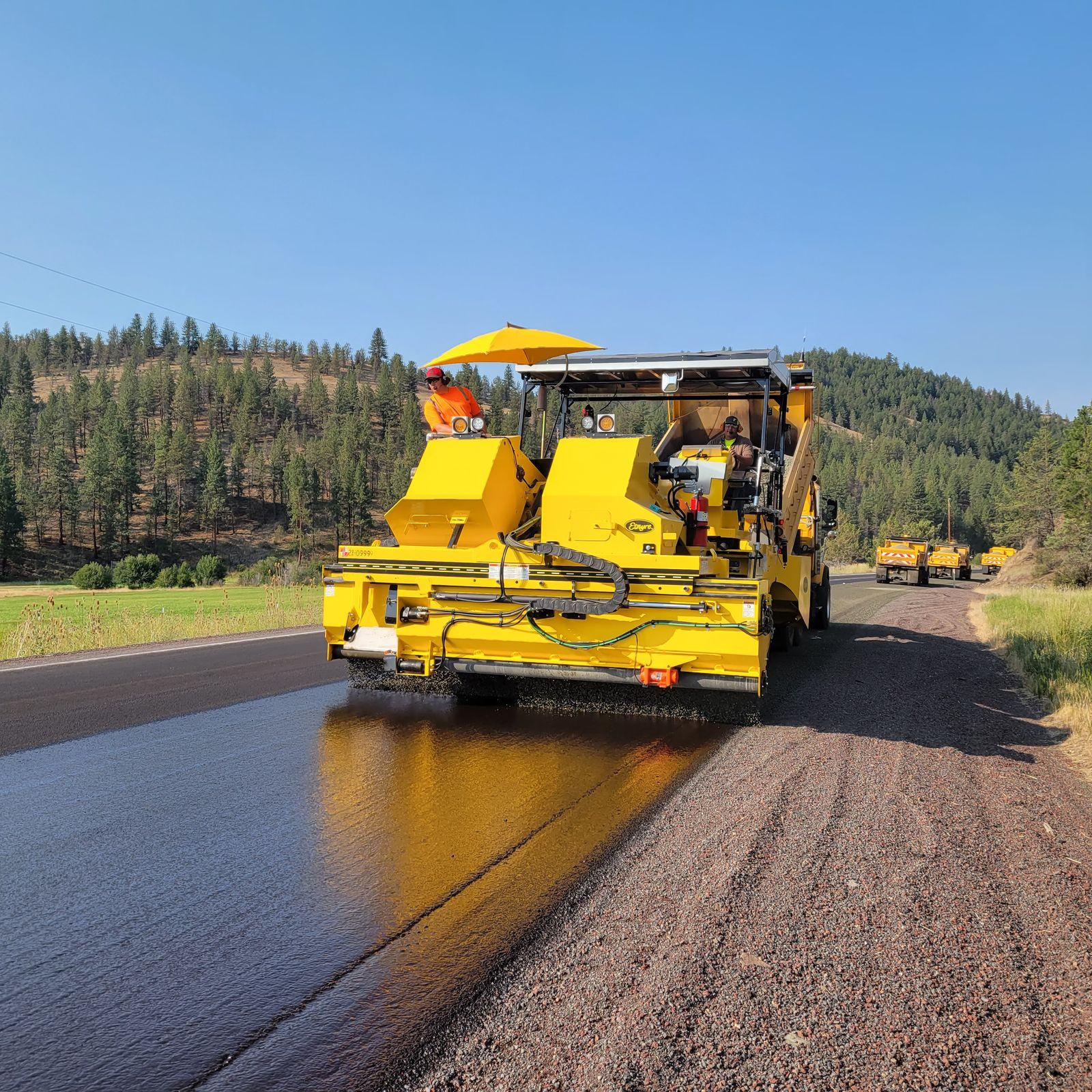
Whether you are driving down a suburban street in Sydney’s Inner West, parking at a busy Western Sydney shopping centre, or operating forklifts across a logistics hardstand near Port Botany, chances are you are travelling on hot mix asphalt. Despite being the most widely used road and pavement material across Australia, many property owners, strata committee members, and facility managers only have to specify an asphalt project once every 15 to 20 years.
Understanding what asphalt surfacing actually is, how it interacts with the roadbase beneath it, and why different mixes are chosen for footpaths versus heavy truck yards helps you avoid premature pavement failures and compare contractor quotes with confidence. In this guide, the team at National Road Surfacing (ABN 14 684 397 233, based in Campsie NSW 2194) explains the engineering fundamentals of Australian asphalt surfacing.
What Exactly Is Hot Mix Asphalt (Asphaltic Concrete)?
In Australian civil engineering and Austroads pavement terminology, hot mix asphalt—historically referred to on engineering drawings as Asphaltic Concrete (AC)—is a precision-designed composite material consisting of three primary components:
- Mineral Aggregates (~93% to 95% by weight): A carefully graded blend of crushed hard rock (such as basalt, granite, or microgranite), coarse and fine sands, and fine mineral filler (such as limestone dust or hydrated lime). The interlocking stone skeleton provides the structural load-bearing strength and surface skid resistance.
- Bituminous Binder (~4.5% to 6% by weight): Refined viscous bitumen (such as Class 170, Class 320, or Polymer Modified Binder [PMB]) that coats every aggregate particle, cementing the stones together into a cohesive, waterproof, and visco-elastic mat (Boral Asphalt).
- Controlled Air Voids (~3% to 7% after compaction): Microscopic air pockets engineered into the compacted mix so the bitumen binder can expand slightly during hot 40°C Australian summer days without bleeding to the surface, while remaining dense enough to keep rainwater out.
Why Asphalt Is Called a “Flexible Pavement”
Engineers divide road and yard surfaces into two structural families: rigid pavements (reinforced concrete slabs) and flexible pavements (asphalt or bitumen over granular roadbase).
- A rigid concrete slab bridges across the soil like a stiff beam. If the clay soil underneath swells or shrinks during Sydney’s wet La Niña downpours and dry summer spells, stress builds up until the slab cracks.
- A flexible asphalt pavement works as a layered pyramid. When a tyre rolls across the top asphalt wearing course, the load is distributed downward in a widening cone through the intermediate/base asphalt layer (if present) and the compacted crushed rock roadbase (
DGB20) before reaching the natural soil subgrade. Because the bitumen binder has slight elasticity, the surface can flex microscopically under traffic and seasonal soil movement without snapping.
The Core Layers of an Engineered Asphalt Surface
When you engage a professional contractor for hot mix asphalt surfacing in Sydney, the black topcoat you see is only the final stage of a multi-layer system:
| Layer (Top to Bottom) | Typical Material in NSW | Primary Structural Role |
|---|---|---|
| 1. Wearing Course (Surface Layer) | 25mm–50mm of AC7, AC10, AC14, or SMA Hot Mix Asphalt |
Provides a smooth, waterproof, skid-resistant riding surface that resists tyre abrasion and UV weathering. |
| 2. Tack Coat / Prime Coat | Cationic Bitumen Emulsion or Cutback Prime | Chemically bonds the wearing course to the underlying asphalt or granular roadbase so layers never delaminate under braking. |
| 3. Structural Base Course (Heavy-Duty Sites) | 60mm–120mm+ of AC20 Dense Graded Asphalt |
Used in industrial hardstands and heavy roads to resist deep bending stresses from B-doubles and forklifts. |
| 4. Unbound Granular Roadbase | 100mm–300mm+ of compacted DGB20 Crushed Rock |
Distributes wheel loads downward and provides a stable, free-draining platform above the natural soil. |
| 5. Prepared Subgrade | Proof-rolled natural soil or lime/cement-stabilised clay | The foundational earth trimmed to design cross-falls (typically 2%–3%) so water drains away from the pavement. |
Key Advantages of Asphalt Surfacing for Sydney Properties
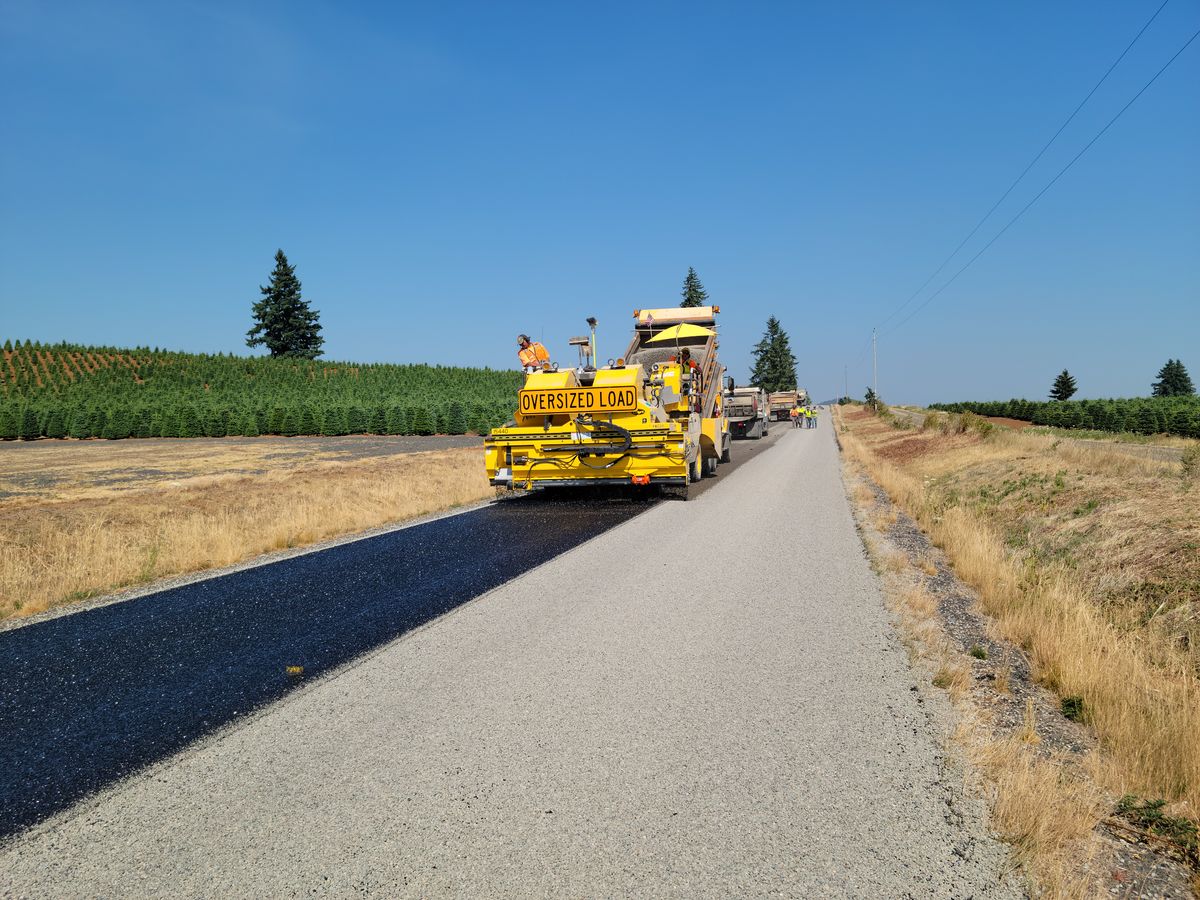
- Fast Installation & 24–48 Hour Turnaround: Because hot mix asphalt gains strength by cooling rather than slow chemical hydration, a newly paved residential driveway or commercial car park zone can typically reopen to passenger cars within 24 hours and heavy vehicles within 24 to 48 hours.
- Significant Upfront Cost Savings: Installing a new asphalt driveway or commercial car park typically costs 30% to 45% less than pouring an equivalent thickness of reinforced concrete (Bitumen Co Cost Guide).
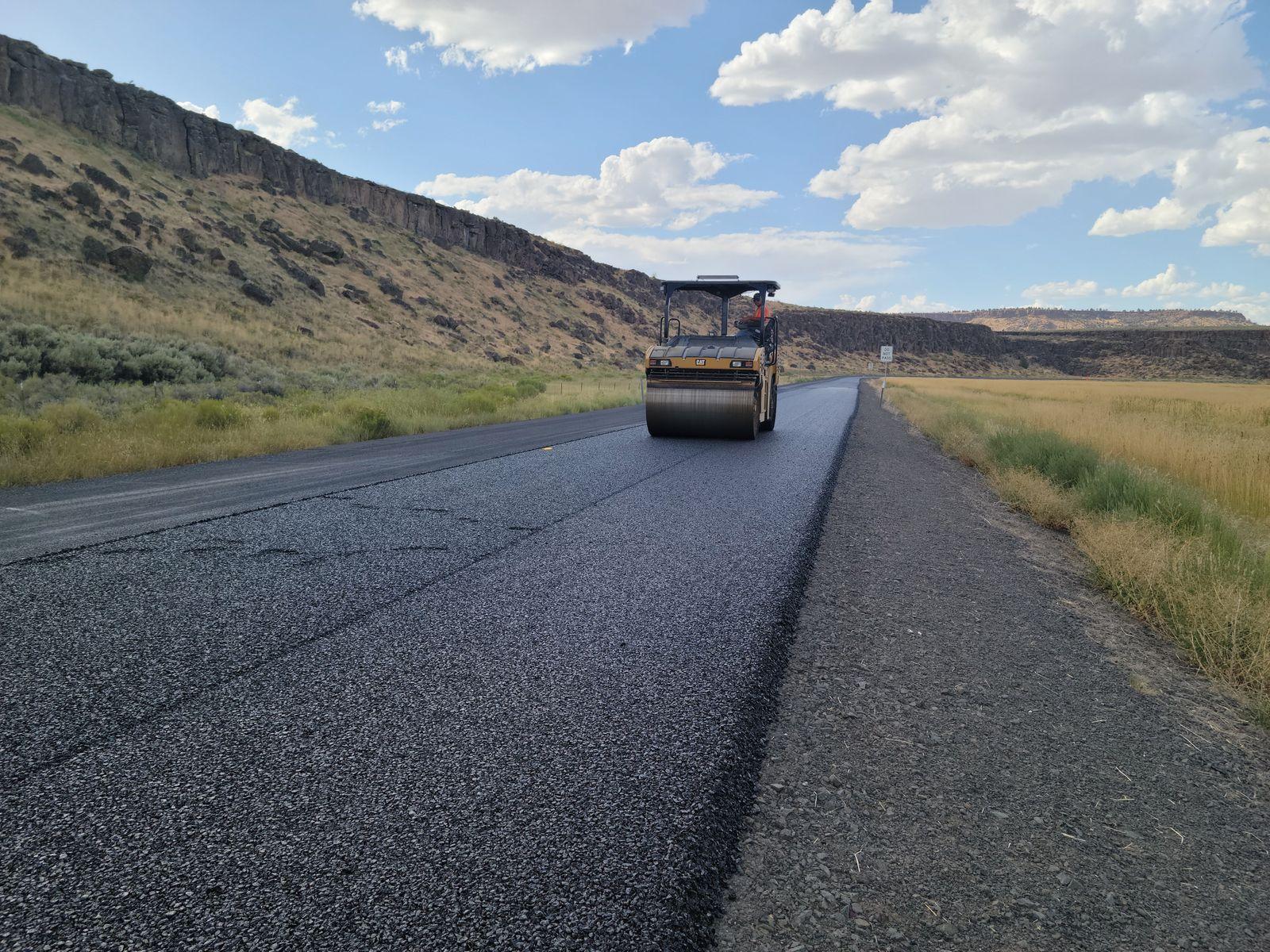
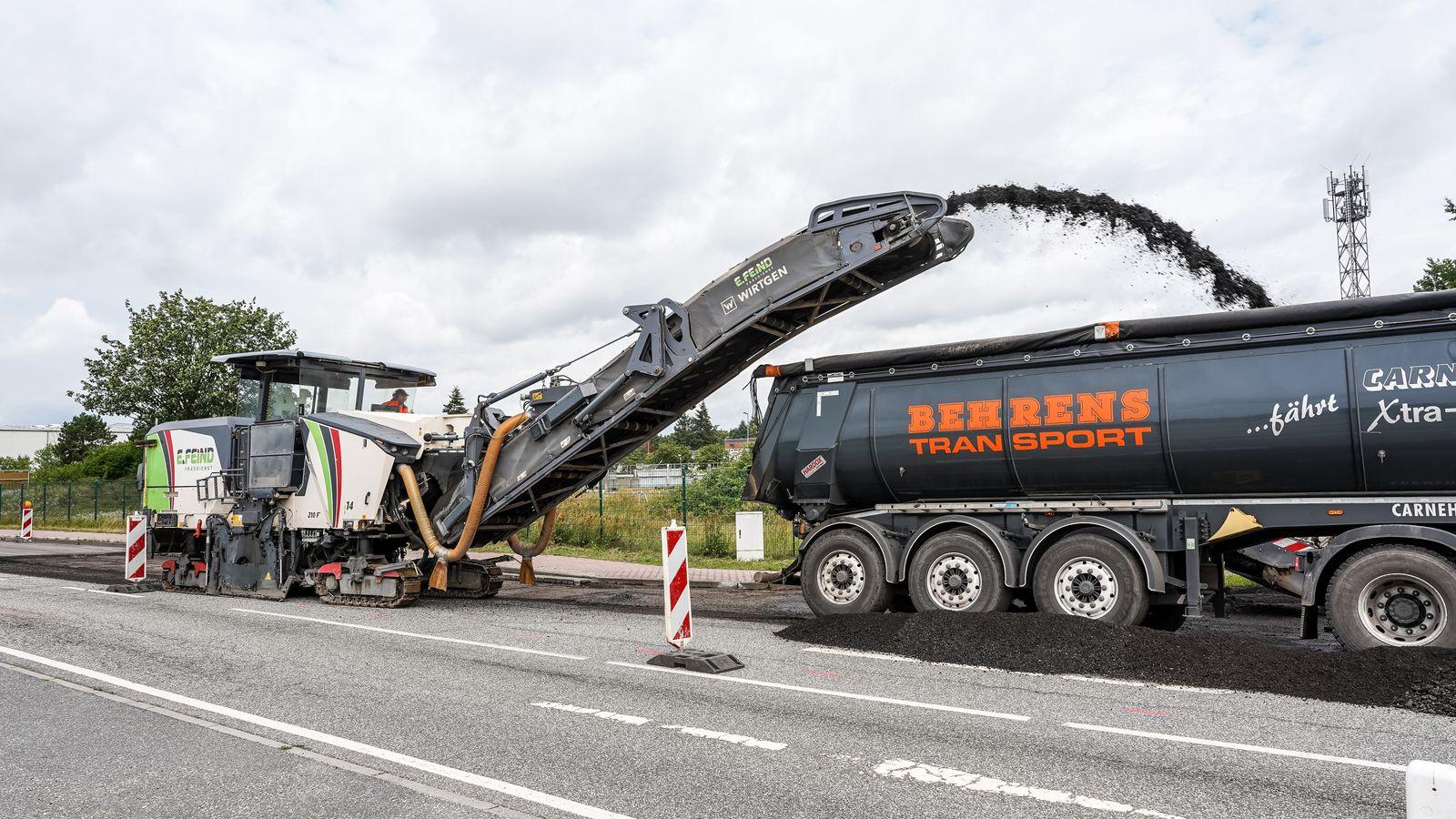
- Easy Long-Term Rehabilitation (Mill & Fill): After 15 to 25 years of service, you do not need to demolish the entire pavement. A profiling crew can cold-mill the top 40mm of aged asphalt and lay a fresh wearing course in a single day via asphalt road resurfacing.
- High Visual Contrast & Low Noise: The dark matte charcoal finish eliminates blinding sun glare, absorbs tyre rumble, and makes white, yellow, and blue commercial car park line markings stand out clearly in wet night-time conditions.
Common Applications Across Greater Sydney
- Residential & Acreage Driveways: Smooth
AC7orAC10surfaces bordered by brick or concrete mowing strips. - Strata & Commercial Car Parks: Zoned
AC10parking bays andAC14circulation aisles with integrated speed humps andAS/NZS 2890.6accessible bays. - Industrial Hardstands & Freight Yards: Multi-layer
AC20+AC14/SMApavements engineered for semi-trailers and container handlers. - Council Footpaths, Shared Paths & Sports Courts: Fine-textured
AC7surfaces meetingAS 1428.1gradient and slip-resistance requirements.
Frequently Asked Questions
Does hot mix asphalt smell or leach after it is laid?
While hot mix asphalt is being laid at ~150°C, you will notice a warm bitumen aroma that dissipates completely within a few hours as the mat cools to ambient temperature. Once cooled and compacted, the surface is inert, non-leaching, and immediately safe for children, pets, and stormwater runoff.
Can asphalt be laid in the rain?
No. Laying hot mix asphalt into standing water or during heavy rainfall traps steam beneath the mat, chills the mix below its minimum compaction temperature, and destroys the bond of the tack coat (Austroads Pavement Work Tips). Reputable contractors always monitor Sydney Bureau of Meteorology radar forecasts and schedule paving during dry windows.
Conclusion & Next Steps
Asphalt surfacing is a proven, versatile, and cost-effective engineering solution—provided the mix type and base thickness are matched to your site’s soil and traffic loads. To compare how hot mix asphalt differs from spray-applied bitumen, read our next guide on Asphalt vs Bitumen in Australia or explore our breakdown of Australian Asphalt Mix Types (AC10, AC14, AC20).
Planning a surfacing project in Sydney? Contact National Road Surfacing on 0475 013 264 or request a free on-site quote online.
Related Services Mentioned in This Guide
Need Professional Asphalt Surfacing in Sydney?
Or call 0475 013 264Related Guides
Asphalt vs Bitumen in Australia: Understanding the Difference & Choosing the Right Surface
Asphalt Fundamentals & Mix TypesUnderstanding Different Australian Asphalt Mix Types: AC7, AC10, AC14, AC20, SMA & OGA
Resurfacing, Profiling & ConstructionThe Asphalt Road Construction Process: Step-by-Step from Subgrade to Compaction