
How Long Does Asphalt Last in Australian Conditions? Lifespan & Ageing Factors
By National Road Surfacing · Updated 1 November 2026
Introduction
When investing in a new residential driveway, a strata roadway, or a commercial car park, asset owners naturally want to know: “How long does asphalt actually last in Australian conditions?”
In short, a properly engineered hot mix asphalt surface in Sydney typically lasts 15 to 25+ years before requiring a structural resurface overlay—while the underlying crushed rock roadbase (DGB20) can last 40+ years if kept waterproof (Mr Asphalt Pathways Guide, Boral Asphalt). However, why do some asphalt surfaces look immaculate at year 20 while others start cracking and potholing at year 5? Here is a breakdown of expected lifespans by application and the five environmental and construction variables that govern pavement longevity.
Typical Asphalt & Bitumen Lifespans in Sydney & NSW
| Pavement Type & Application | Typical Specification | Expected Service Life (Wearing Course) | End-of-Life Renewal Method |
|---|---|---|---|
| Residential Asphalt Driveway | 30mm–40mm AC7/AC10 over 100mm–150mm DGB20 |
18 – 25+ Years | Thin 30mm asphalt overlay |
| Strata Common Driveway & Car Park | 40mm AC10 over 150mm DGB20 |
15 – 22 Years | Cold mill tie-ins & 35mm–40mm overlay |
| Commercial Shopping Centre / Office Car Park | 40mm–50mm AC10/AC14 over 150mm–200mm DGB20 |
15 – 20 Years (Bays) / 12 – 18 Years (Heavy Aisles) | Weekend cold mill & fill (40mm–50mm) |
| Heavy-Duty Industrial Hardstand | 75mm–120mm AC20 base + 50mm AC14/SMA |
15 – 20+ Years (Structure) / 10 – 15 Years (Top wearing layer) | Mill top 50mm wearing course & replace |
| Two-Coat Hot Bitumen Spray Seal | Prime + 14mm/7mm chip seal over 150mm DGB20 |
10 – 15 Years | Single-coat enrichment reseal at year 8–12 |
| Saw-Cut Full-Depth Asphalt Patch | Square saw-cut, base compaction & hot mix AC10/AC14 |
10+ Years (Potholes Sydney) | Permanent until full pavement resurface |
The 5 Factors That Determine Whether Asphalt Lasts 7 Years or 25 Years
1. Initial Compaction Density (Air Void Control)
As taught in AfPA Asphalt Paving in Practice and Austroads, compaction is the single biggest controllable factor on paving day. If hot mix asphalt is allowed to cool before rolling and is left with 10%–12% air voids instead of the target 4%–7%, oxygen and rainwater penetrate deep inside the mat—cutting the pavement’s service life in half. Every 1% excess air void above design thresholds can reduce asphalt fatigue life by 10% to 15%.
2. Australian UV Radiation & Binder Oxidation
Australia experiences some of the highest ultraviolet (UV) radiation levels in the world. Over decades of summer sun, UV rays oxidise the maltenes (plasticising oils) in the bitumen binder, gradually making the top few millimetres stiffer and more brittle. Pavements shaded by buildings or trees oxidise slower than unshaded industrial yards, though shaded pavements must have steeper cross-falls so damp moss never accumulates.
3. Stormwater Drainage & Standing Water
Asphalt is engineered to shed water, not sit submerged under puddles. When a car park or road has flat “birdbaths” or blocked kerbs, standing water softens the bond between the bitumen binder and stone aggregate (a process called moisture stripping), allowing tyre pressure to pluck stones loose and start potholes.
4. Subgrade Soil Stability & Edge Restraint
Across Western Sydney and Canterbury-Bankstown, expansive clay soils swell and shrink with seasonal moisture changes. A driveway or road built with a full 150mm–200mm DGB20 base course and locked in by concrete kerbing or brick edging resists seasonal clay movement far longer than a thin layer laid over bare earth.
5. Traffic Axle Weights vs Design Thickness
A 30mm residential driveway will easily carry family SUVs for 20+ years—but if a 22-tonne concrete agitator truck or loaded skip-bin truck drives over its unretained edge during renovations, it can overload the thin base in a single afternoon. Always match pavement thickness to the heaviest vehicle that will enter the site.
How to Add 8–10+ Extra Years to Your Pavement’s Life
You can stretch a 15-year commercial car park or driveway out to 25+ years through simple proactive asphalt road maintenance:
- Seal Linear Cracks Early (Every 3–5 Years): Filling 3mm+ shrinkage cracks with hot rubberised bitumen stops rainwater from ever reaching your roadbase.
- Clean Oil & Diesel Drips Promptly: Degrease and spot-seal oil leaks in parking bays before petroleum hydrocarbons soften the bitumen binder.
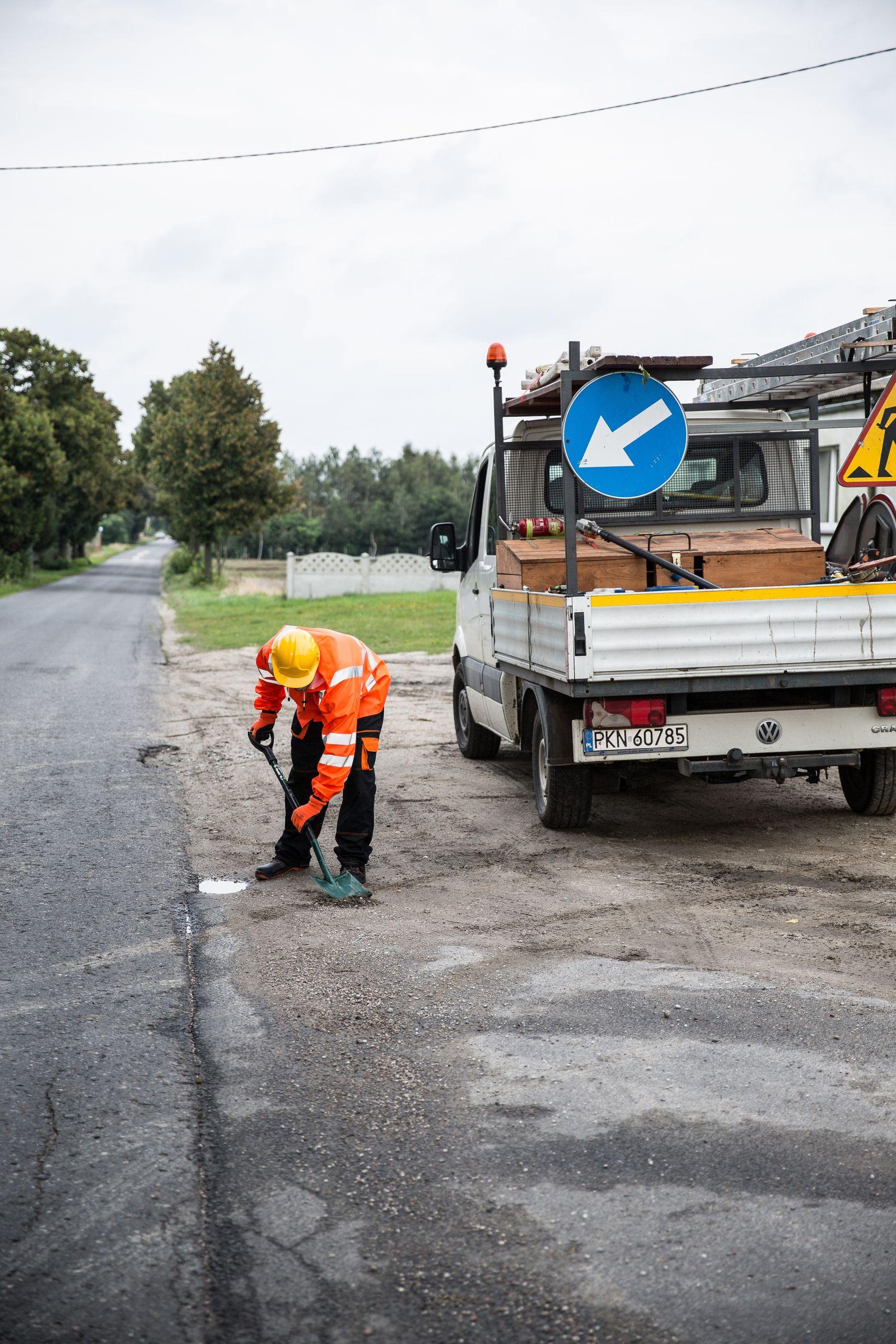
- Fix Potholes via Square Saw-Cutting Immediately: Addressing a single $1\text{ m}^2$ pothole within weeks stops tyres from pounding the surrounding 10 square metres into failure.
- Schedule Timely Structural Overlays: Plan structural asphalt overlays while the base course is still 85%+ intact.
Frequently Asked Questions
Does sealcoating an asphalt car park extend its life?
Yes. Applying a bituminous emulsion surface coat or enrichment seal after 5 to 8 years replenishes oxidised surface binder oils, seals microscopic pores against UV and water, protects against minor oil drips, and restores a uniform dark charcoal finish.
Conclusion & Next Steps
With proper initial compaction, positive drainage falls, and timely crack sealing, hot mix asphalt is one of the longest-lasting, lowest-maintenance civil assets you can install. Read our next article on Preventative Asphalt Maintenance & Crack Sealing to build a low-cost care schedule.
Need a lifecycle check on your Sydney car park or driveway? Call National Road Surfacing on 0475 013 264 or request a free maintenance inspection.
Related Services Mentioned in This Guide
Want to Maximise the Lifespan of Your Sydney Pavement?
Or call 0475 013 264Related Guides
When Does a Road or Car Park Need Resurfacing? 8 Warning Signs to Watch For
Pavement Maintenance, Defects & RepairsCommon Asphalt Pavement Problems: Identifying Crocodile Cracking, Rutting, Raveling & Depressions
Pavement Maintenance, Defects & RepairsPreventative Asphalt Maintenance: How Crack Sealing & Timely Repairs Save Thousands