
Common Asphalt Pavement Problems: Identifying Crocodile Cracking, Rutting, Raveling & Depressions
By National Road Surfacing · Updated 1 November 2026
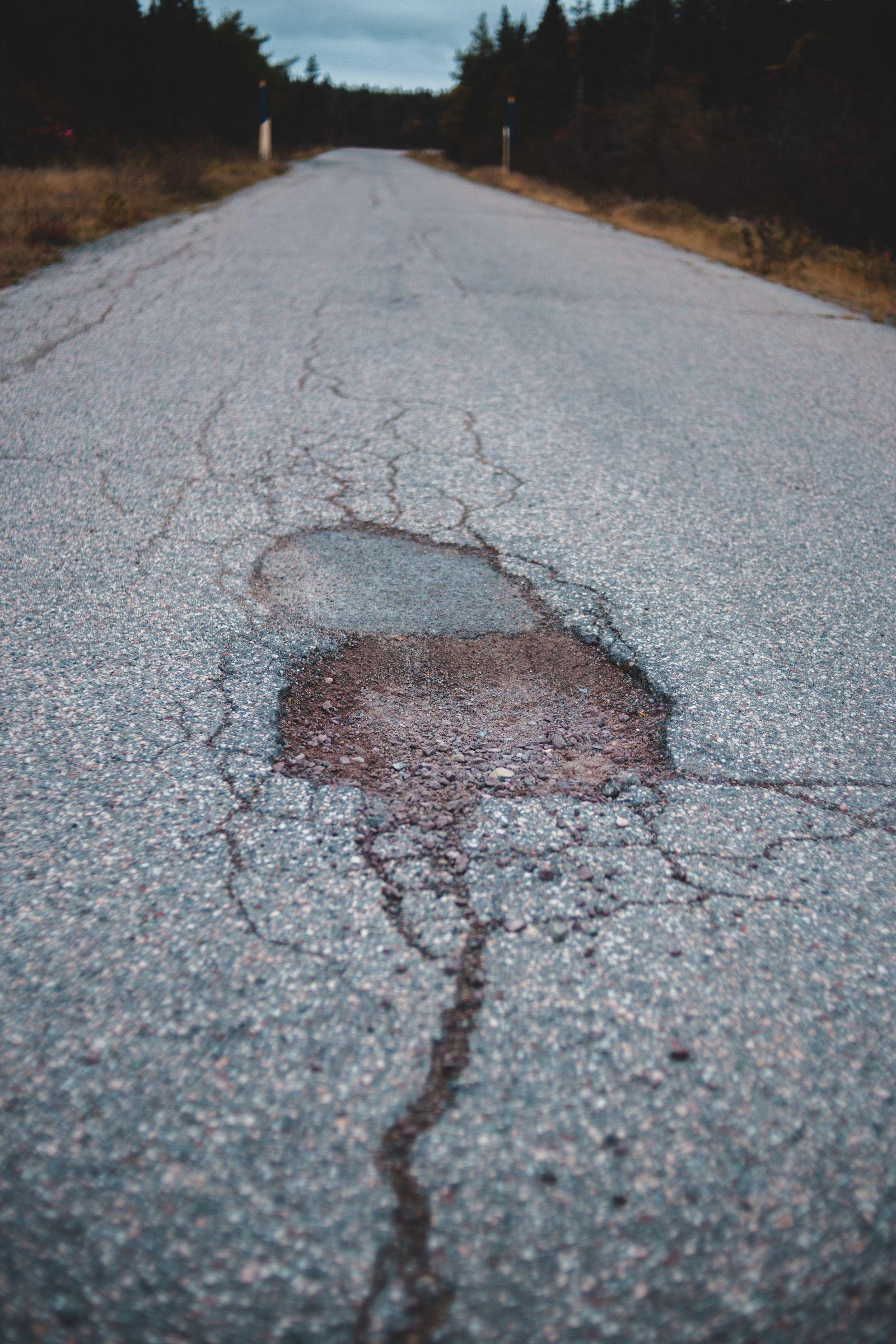
Introduction
Every crack, rut, or hollow in an asphalt road or car park tells a story about what is happening underneath the surface. If you misdiagnose an asphalt failure—for example, pouring liquid crack filler over structural fatigue cracks, or laying a thin surface patch over a waterlogged subgrade—the defect will return within months and waste your maintenance budget.
To help Sydney property managers, strata committees, and facility operators prescribe the right fix the first time, here is our field diagnostic guide to the 7 most common asphalt pavement problems, their underlying engineering causes, and the permanent repair methods used by our pothole and heavy patching repairs in Sydney team.
Quick Diagnostic Matrix: 7 Common Asphalt Defects
| Defect Name | What It Looks Like | Root Engineering Cause | Correct Permanent Repair |
|---|---|---|---|
| 1. Crocodile (Alligator) Cracking | Interconnected, polygon-shaped cracks resembling crocodile skin in wheel tracks. | Structural Base Failure: Waterlogged or under-thick roadbase/subgrade flexing excessively under heavy tyres. | Full-Depth Saw-Cut Heavy Patch: Saw-cut square, excavate failed base, compact new DGB20/AC20, and lay new hot mix. |
| 2. Wheel-Track Rutting | Long, trough-like depressions sunken along the paths where wheels travel. | Either deep subgrade/base consolidation under heavy trucks OR plastic flow of an overly soft asphalt mix. | Deep-lift mill & fill (AC20 + AC14/SMA) if structural; shallow cold mill & AC14 overlay if surface-only. |
| 3. Surface Raveling (Fretting) | Loose gravel and grit on top; coarse stones sticking up as fine sand erodes away. | UV binder oxidation over 15+ years, poor initial roller compaction (cold mix), or diesel/oil contamination. | Bitumen enrichment seal (if early) or Cold Milling & Asphalt Resurfacing (35mm–45mm overlay). |
| 4. Shoving & Slippage (Ripples) | Wavy washboard ripples or crescent-shaped tears at intersections, loading docks, or steep ramps. | Poor or missing tack coat between layers allowing heavy braking/turning tyres to slide the top layer over the base. | Cold-mill off the slipped layer, clean base, apply high-bond bitumen emulsion tack coat, and re-pave with stiff AC14/SMA. |
| 5. Linear & Block Cracking | Straight cracks along joints or large (1m x 1m+) rectangular squares across low-traffic bays. |
Age hardening and thermal shrinkage of the bitumen binder (not load-related initially). | Hot Polymer-Modified Bitumen Crack Sealing to prevent water ingress. |
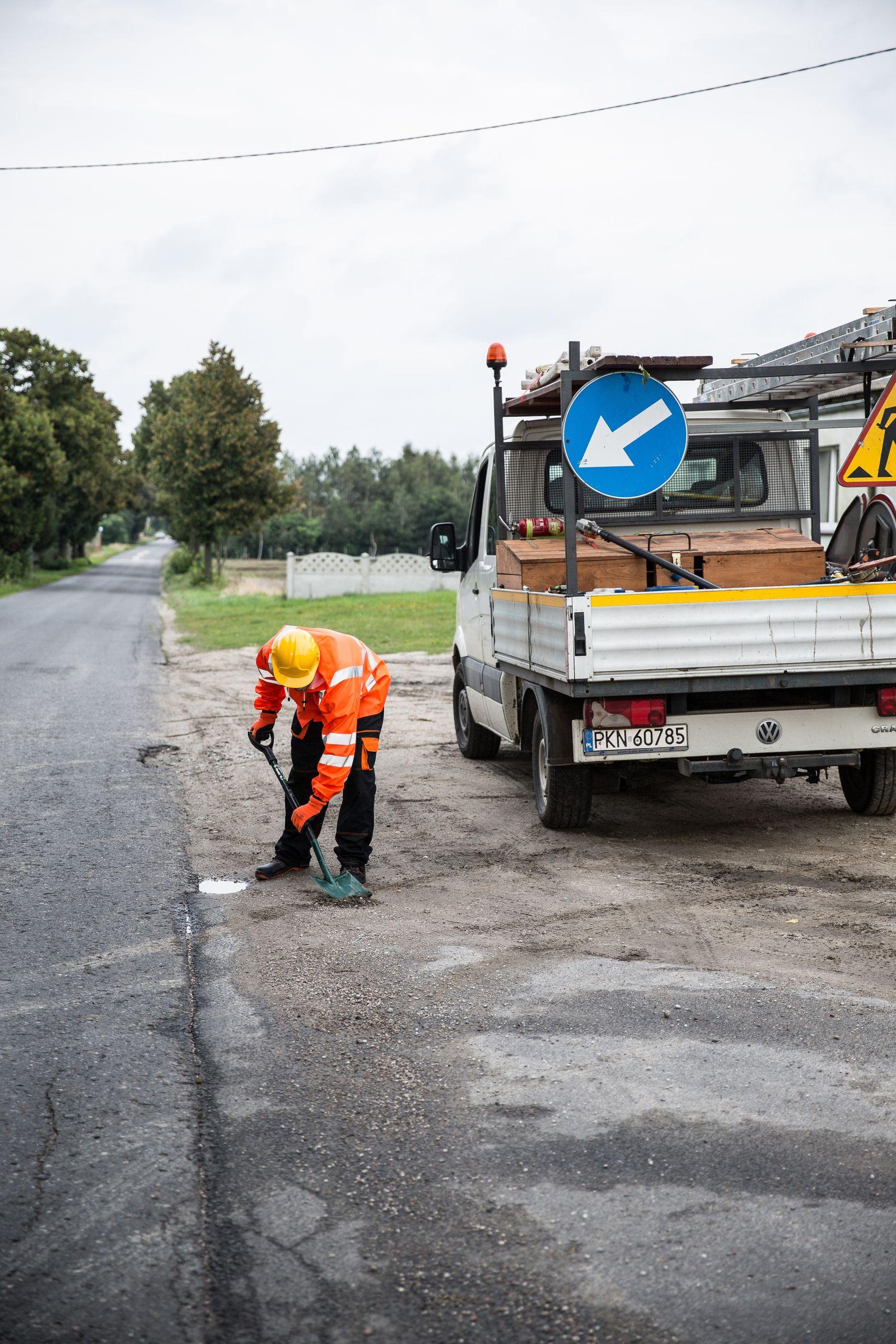
| 6. Potholes | Bowl-shaped holes penetrating through the wearing course into the roadbase. | Untreated crocodile cracks or poor patches where water and tyre pumping have ejected both asphalt and base stones. | Square Saw-Cut & Full-Depth Hot Mix Replacement (10+ year lifespan). |
| 7. Edge Drop-Off & Crumbling | Fractured, collapsing outer 300mm edge of a driveway or rural road next to grass/dirt. | Lack of lateral edge restraint (no kerb/brick edge), soft wet shoulder soil, and heavy wheels tracking off the edge. | Crossover / Shoulder Edge Strip Repair: Saw-cut 300mm–500mm strip, widen/compact base, install concrete/brick edge or battered shoulder, and hot-patch. |
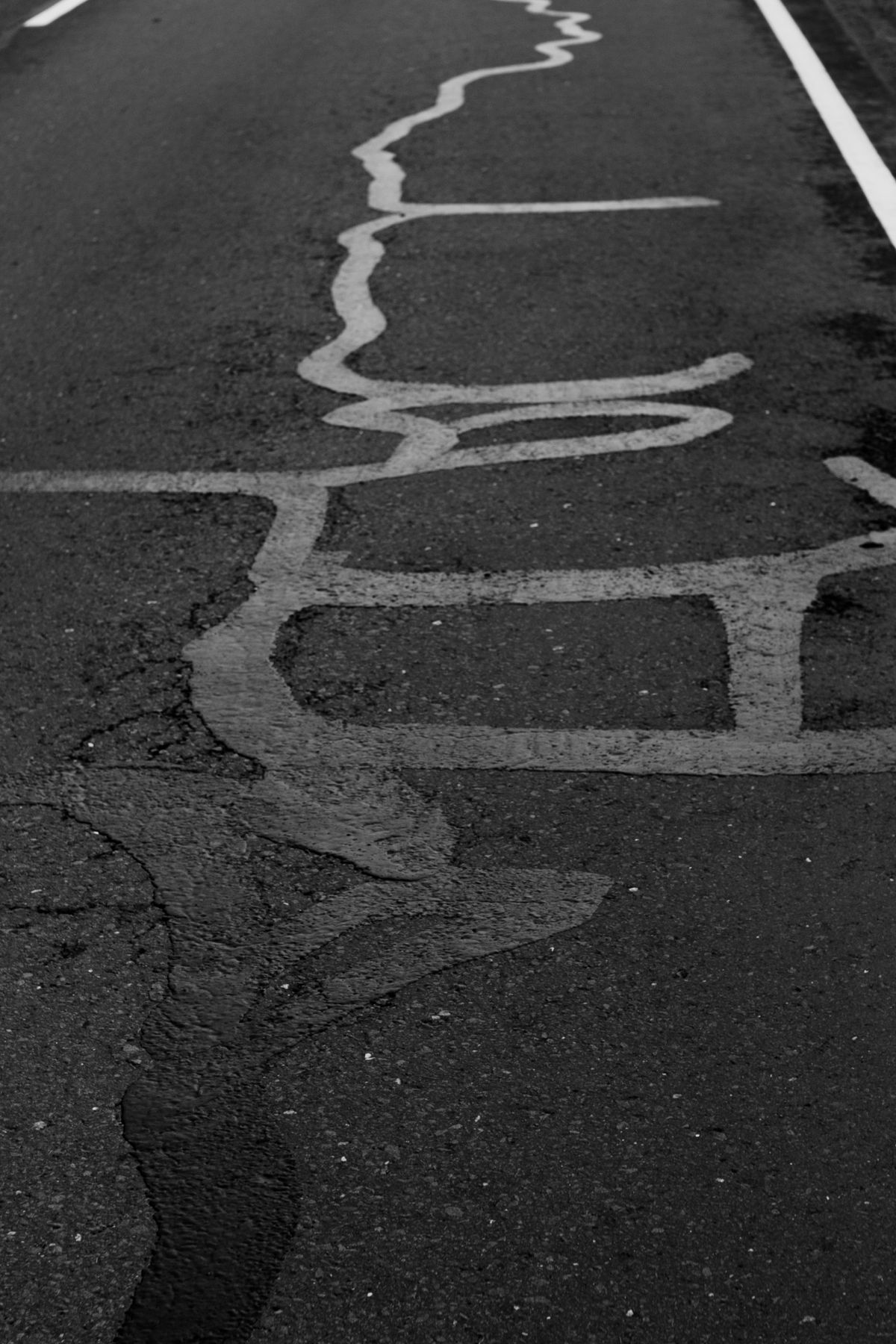
Deep Dive 1: Crocodile Cracking vs Block Shrinkage Cracking
Facility managers frequently confuse crocodile cracking with block cracking, yet they require opposite repairs:
- Crocodile Cracking always occurs where wheels roll (drive aisles, entry throats, bus stops, loading zones) and consists of small 50mm to 200mm polygons that pump dust or water when driven on. Because the foundation beneath has failed, surface sealants are useless—the failed pocket must be saw-cut out and rebuilt from the roadbase up.
- Block Cracking occurs uniformly across wide, lightly trafficked areas (such as upper-level parking bays) in large 1-metre to 3-metre rectangles. Because the base underneath is still dry and firm, routing and sealing the cracks with hot rubberised bitumen stops water entry and extends the surface life for years.
Deep Dive 2: Why Shoving (Crescent Slippage Cracks) Happens at Boom Gates & Ramps
Have you ever noticed crescent-shaped tears or bunched-up asphalt waves right at the bottom of a basement ramp, at a shopping centre stop sign, or where forklifts pivot in a warehouse?
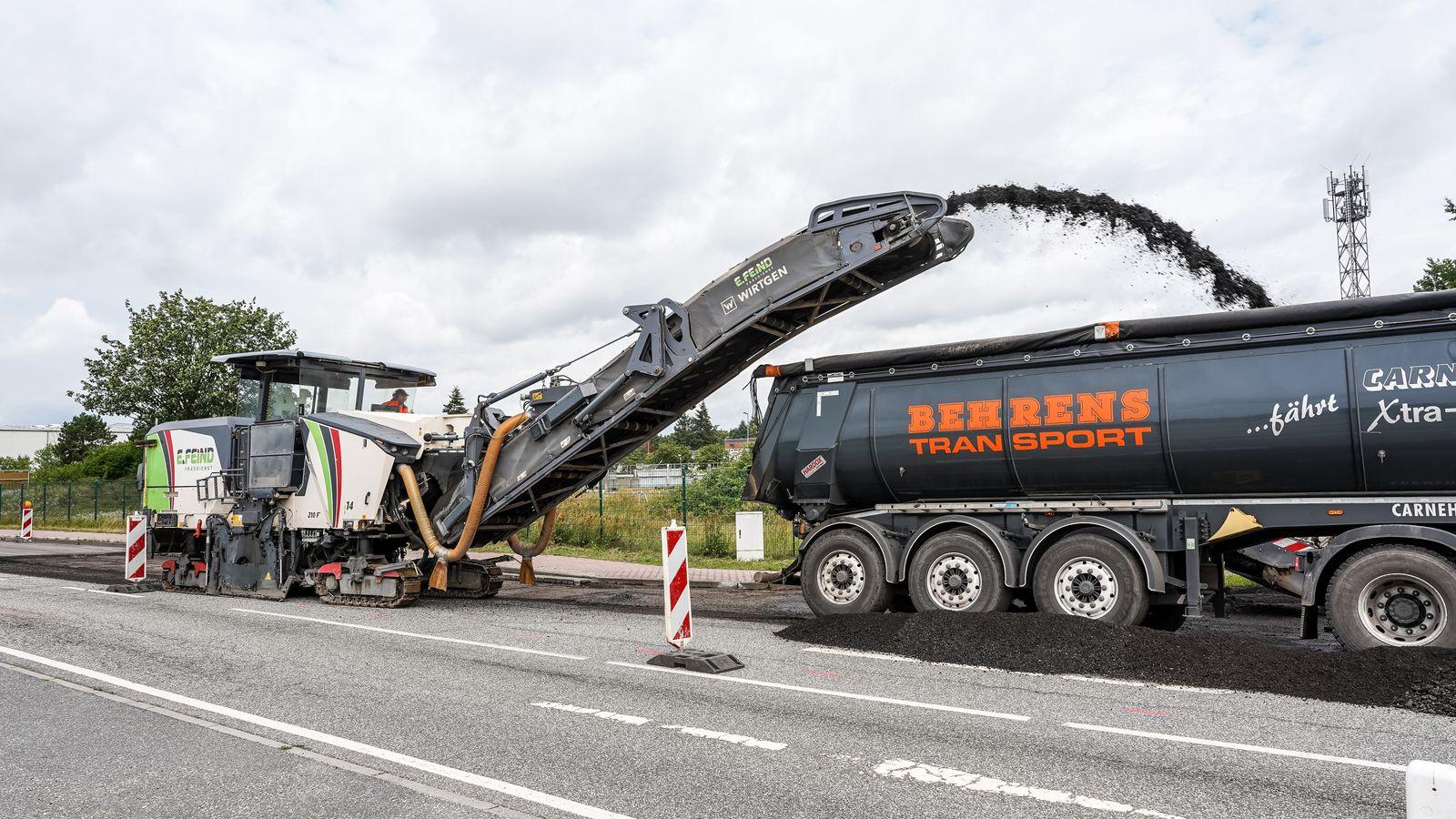
That defect is slippage / shoving. It happens when a previous contractor laid a thin top layer of asphalt without sweeping away dust or without spraying a bituminous tack coat. Every time a truck hits the brakes, the unbonded top layer slides forward like a tablecloth on a polished table. We fix shoving permanently by cold-milling the delaminated layer, mechanically cleaning the substrate, applying a heavy cationic tack coat, and compacting a stiffer, coarse AC14 or Stone Mastic Asphalt (SMA) mix.
Deep Dive 3: Oil, Diesel & Hydraulic Fluid Softening
In commercial car parks and truck yards, leaking sumps drop engine oil, diesel, or hydraulic fluid onto the same spot every day. Because bitumen is refined from crude oil, light petroleum fuels act as a solvent that dissolves the bitumen glue—turning the asphalt black, sticky, and crumbly. Small oil spots should be degreased and coated with a fuel-resistant sealer; severely dissolved areas must be saw-cut or milled out and replaced with fresh hot mix via cold milling and resurfacing.
Frequently Asked Questions
Can sunken service trenches be levelled without digging up the whole trench?
If a plumber’s or electrician’s utility trench settled 20mm–30mm several years ago and has now stopped moving (consolidated), we can cold-mill the edges of the depression, apply a tack coat, and compact a levelling course of fine AC7/AC10 hot mix flush with the surrounding road. However, if the trench backfill is still wet, loose, and actively sinking, the top 200mm–300mm of trench base must be excavated and mechanically compacted first.
Conclusion & Next Steps
Accurate defect diagnosis ensures you never pay for a full resurface when crack sealing will do—and never waste money on cosmetic patches when the roadbase needs structural repair. Read our next article for a closer look at Utility Trench Reinstatement & Pothole Repair Methods.
Send us a photo of your damaged pavement for free diagnostic advice: Call National Road Surfacing on 0475 013 264 or upload your site photos on our quote page.
Related Services Mentioned in This Guide
Have Damaged or Cracking Asphalt on Your Sydney Property?
Or call 0475 013 264Related Guides
How Road Resurfacing Works: Cold Milling, Profiling & Asphalt Overlays Explained
Pavement Maintenance, Defects & RepairsPreventative Asphalt Maintenance: How Crack Sealing & Timely Repairs Save Thousands
Resurfacing, Profiling & ConstructionAsphalt Base Preparation: Why Subgrade Stability, DGB20 Compaction & Drainage Matter Most