
Preventative Asphalt Maintenance: How Crack Sealing & Timely Repairs Save Thousands
By National Road Surfacing · Updated 1 November 2026
Introduction
In civil asset management, there is a well-documented rule of thumb: $1 spent on preventative pavement preservation before water enters the roadbase saves $4 to $6 in structural rehabilitation costs just a few years later.
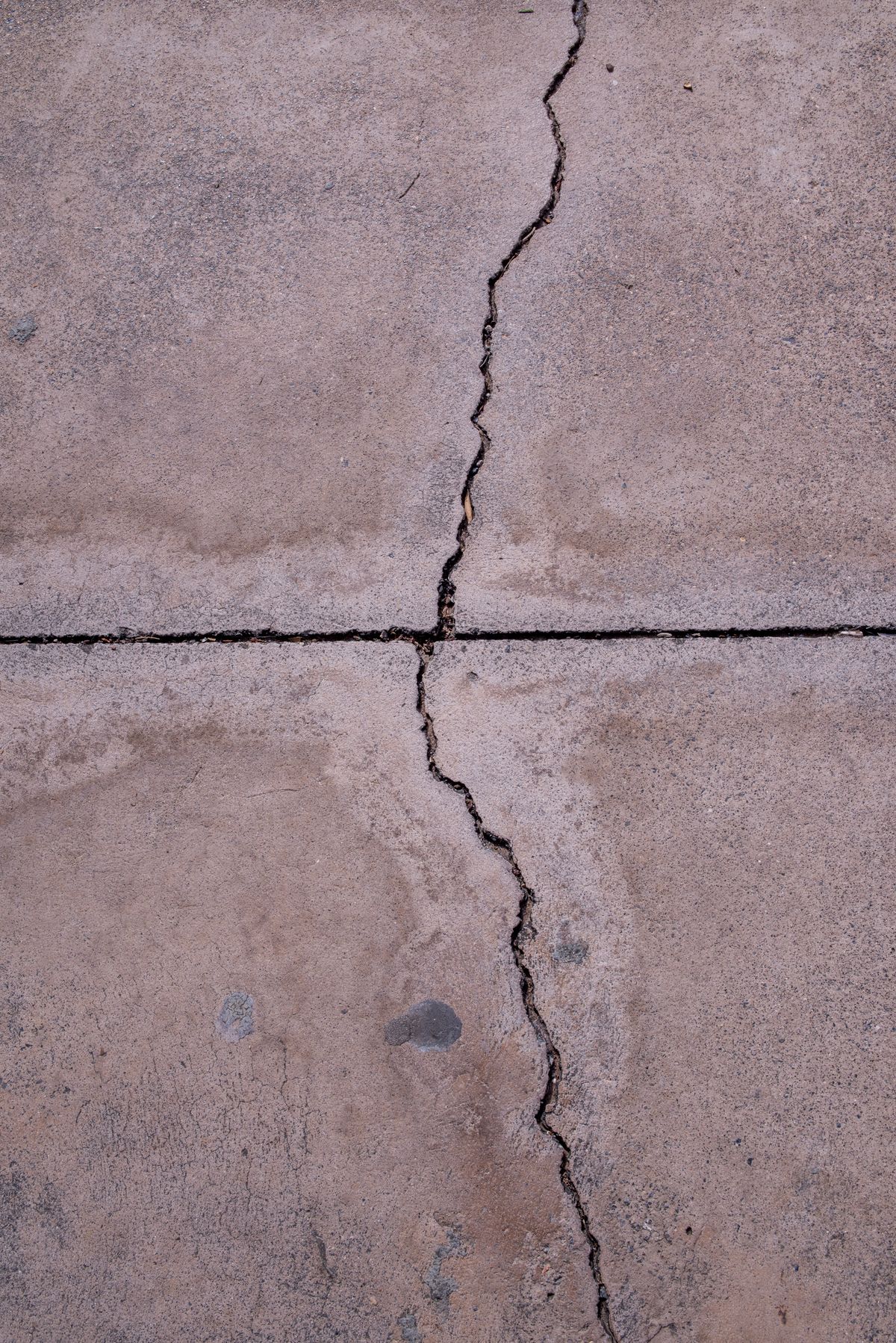
Most potholes and collapsed car park drive aisles in Sydney do not start overnight. They begin as harmless-looking 3mm to 10mm linear shrinkage cracks or cold-joint separations. Left unsealed through a single wet Sydney winter, rainwater pours through those cracks into the crushed rock roadbase (DGB20) below, turning the firm stone foundation into wet slurry. Here is how a structured preventative maintenance programme—centred on hot bitumen crack sealing and patching—protects your property budget.
How Water Destroys Unsealed Asphalt Cracks (The Hydraulic Pumping Cycle)
- Stage 1 – Thermal & Oxidation Shrinkage: As asphalt ages over 5 to 10 years, the surface contracts slightly in cool winter nights, opening narrow linear cracks along longitudinal paving joints or across bays.
- Stage 2 – Water Infiltration: During rainstorms, water flows off the waterproof asphalt mat directly into the open crack, saturating the unbound
DGB20crushed rock roadbase and clay subgrade underneath. - Stage 3 – Hydraulic Tyre Pumping: Every time a car or delivery truck tyre rolls over the waterlogged zone, it presses the asphalt down into the wet base, squirting water and fine rock dust upward through the crack under high hydraulic pressure.
- Stage 4 – Structural Void & Pothole Collapse: Within weeks, the loss of fine base material creates an unsupported hollow cavity under the asphalt. The surface breaks into interconnected “crocodile” pieces and pops out under tyre traffic, leaving a deep pothole.
What Is Hot Rubberised Bitumen Crack Sealing?
Unlike cold DIY hardware-store pourable fillers that wash out or turn brittle in the sun, commercial hot polymer-modified rubberised bitumen crack sealing creates a tough, waterproof, elastomeric band-aid that stretches and compresses as the pavement moves through summer heat and winter cold.
Our 4-Step Professional Crack Sealing Process
- Mechanical Routing & Wire Brushing: Cracks between 3mm and 20mm wide are cleaned out with a mechanical steel wire wheel or crack router to remove weeds, dirt, and oxidised loose stone along the crack lips.
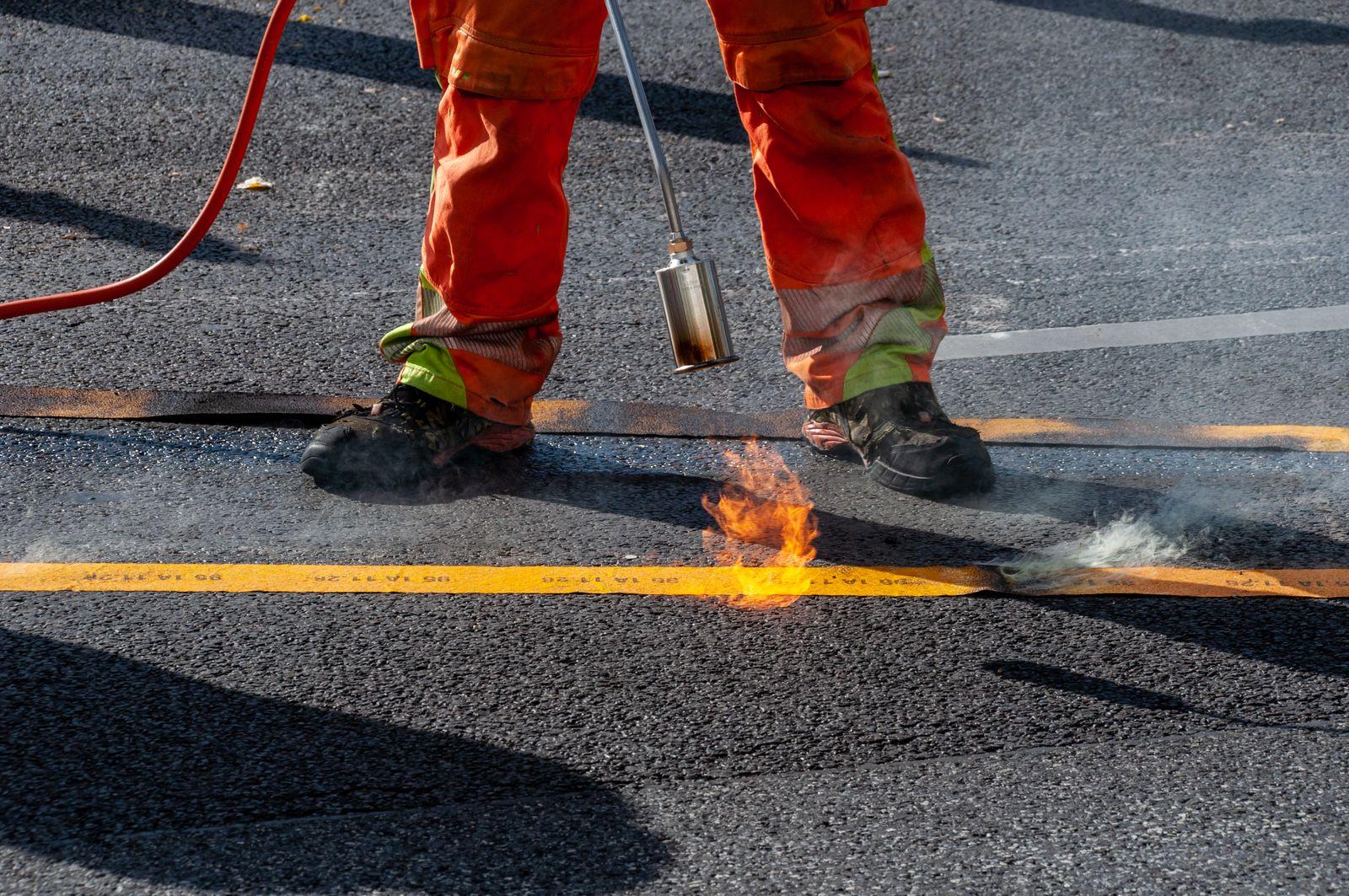
- High-Velocity Compressed-Air & Heat Lancing: We blow out all dust and moisture using high-pressure compressed air (and a hot air lance if dampness is present) so the crack walls are warm, dry, and dust-free.
- Hot Polymer-Modified Bitumen Injection (
170°C–190°C): Melted rubberised bitumen sealant is applied from a thermostatically controlled melter wand directement into the crack void until filled flush, then squeegeed into a neat 40mm–50mm band overlapping both lips. - Detackifying / Blotting: Fine sand or detackifying spray is applied immediately so cars can drive over the sealed cracks within 15 to 30 minutes without tracking black sealant on their tyres.
Which Cracks Can Be Sealed—And Which Need Saw-Cut Patching?
Knowing when to crack-seal versus when to saw-cut patch is essential so you never waste money sealing a failed base:
| Crack / Defect Type | Visual Pattern | Correct Engineering Treatment |
|---|---|---|
| Longitudinal Joint Cracks | Single straight line running along the seam where two paver passes met | Hot Rubberised Bitumen Crack Sealing |
| Transverse Thermal / Reflective Cracks | Single crack running perpendicular across a road or driveway | Hot Rubberised Bitumen Crack Sealing |
| Edge Cracks (Near Kerbs) | Single line 100mm–300mm inside a concrete kerb or garden edge | Hot Bitumen Crack Sealing (if base is firm) or Edge Strip Patch |
| Crocodile / Alligator Fatigue Cracks | Interconnected snakeskin/chicken-wire grid of cracks in wheel paths | Do NOT just crack seal. Base has failed—requires Full-Depth Saw-Cut Heavy Patching. |
Wide Gaping Cracks (> 25mm) or Potholes |
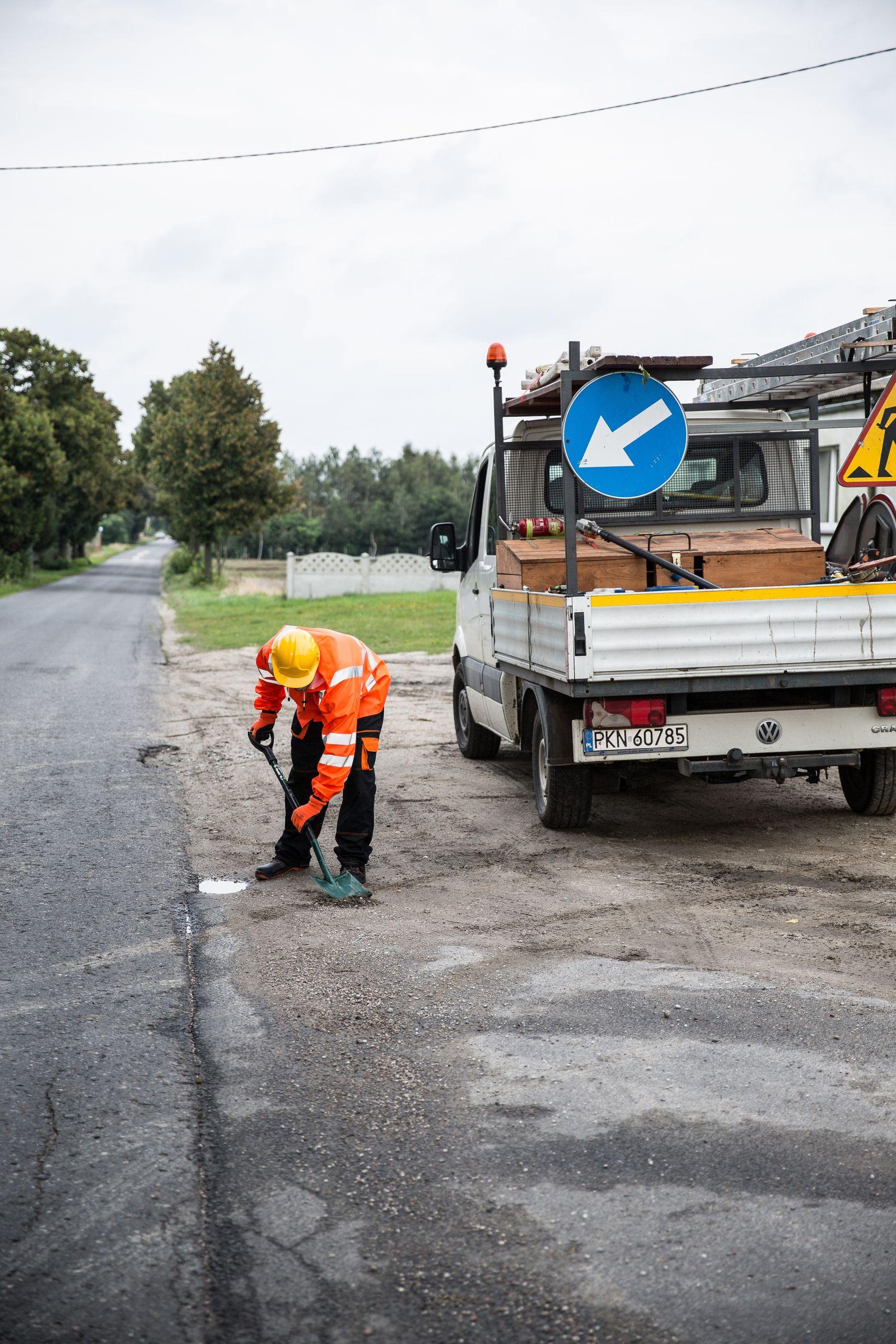
Open cavity with missing aggregate stones | Hot Mix Asphalt Mastic Fill or Saw-Cut Square Patch |
Annual 15-Minute Maintenance Checklist for Sydney Property & Strata Managers
Walk your car park or strata roadway twice a year (ideally in Autumn before winter rains and Spring):
- [ ] Clear Leaf Litter & Sediment from Grated Stormwater Pits: Blocked grates force water to pond on the asphalt for days.
- [ ] Inspect Linear Paving Joints: Flag any cracks wider than a $2 coin edge (
~3mm) for hot bitumen crack sealing. - [ ] Check Plumber / Electrician Utility Cuts: Ensure any recent utility trenches haven’t settled or opened unsealed perimeter seams.
- [ ] Degrease Oil-Soaked Parking Bays: Scrub heavy engine oil leaks with biodegradable degreaser and spot-seal softened binder before holes form.
- [ ] Prune Overhanging Vegetation & Monitor Tree-Root Heaves: Keep edges dry and sunlit, and repair root-lifted footpath lips before someone trips.
Frequently Asked Questions
How often should commercial car park cracks be sealed?
We recommend inspecting commercial and strata car parks every 2 to 3 years and performing targeted hot rubberised crack sealing as needed. A properly installed rubberised crack seal typically remains elastic and waterproof for 3 to 5+ years.
Conclusion & Next Steps
Proactive crack sealing and rapid saw-cut patching are the simplest ways to protect your car park surface protection budget and defer expensive resurfacing by up to a decade. To learn how to diagnose every type of surface distress, read our guide on Common Asphalt Pavement Problems: Causes & Repairs.
Book a preventative maintenance and crack-sealing inspection in Sydney: Call National Road Surfacing on 0475 013 264 or request a maintenance quote online.
Related Services Mentioned in This Guide
Protect Your Pavement Before Rain Causes Potholes
Or call 0475 013 264Related Guides
How Long Does Asphalt Last in Australian Conditions? Lifespan & Ageing Factors
Pavement Maintenance, Defects & RepairsCommon Asphalt Pavement Problems: Identifying Crocodile Cracking, Rutting, Raveling & Depressions
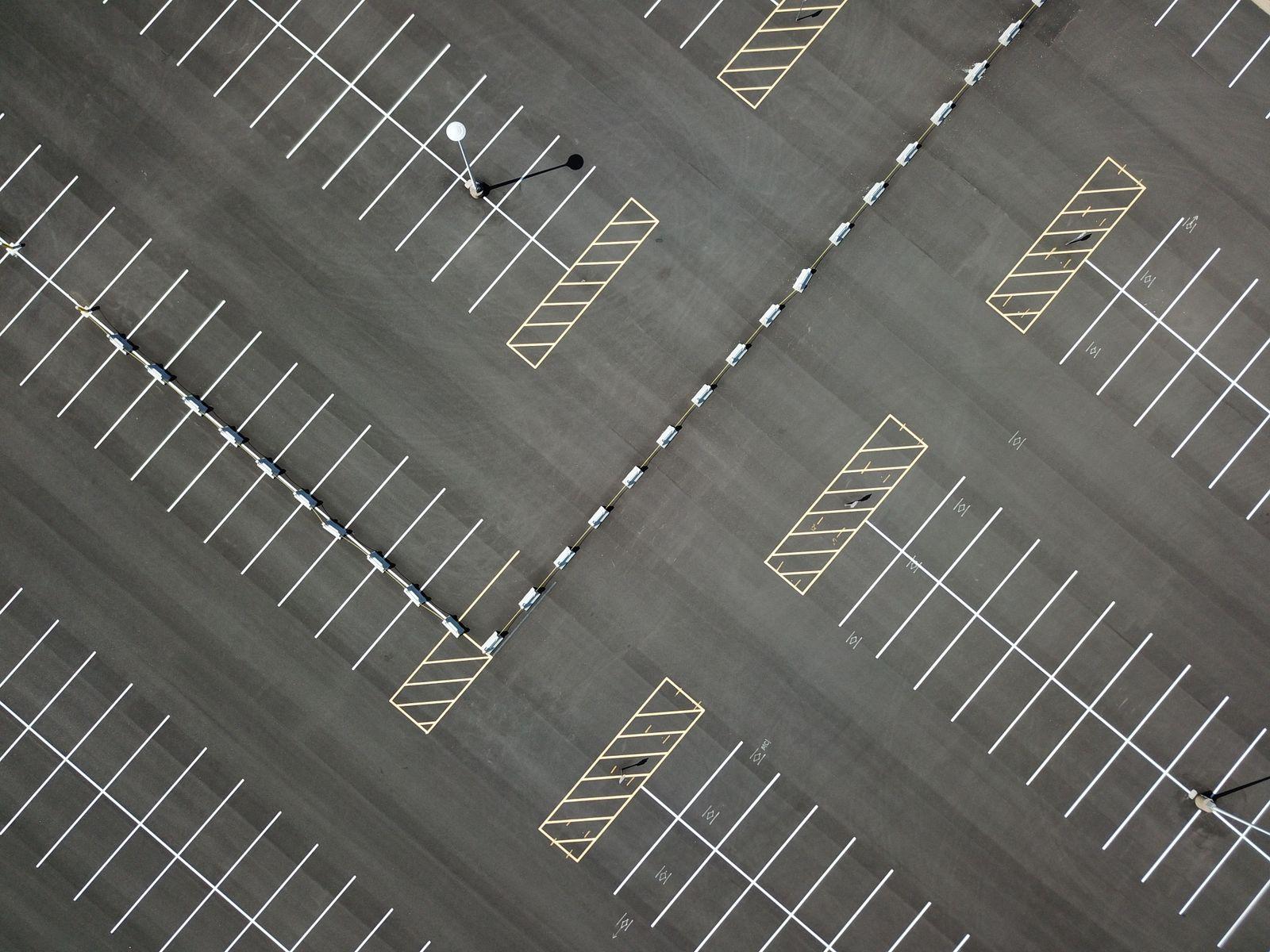
Commercial Car Parks & Industrial HardstandsCar Park Maintenance Checklist: Line Marking, Speed Humps, Wheel Stops & AS 2890 Compliance