
Utility Trench Reinstatement & Pothole Repair Methods: Permanent Saw-Cut vs Temporary Patching
By National Road Surfacing · Updated 1 November 2026
Introduction
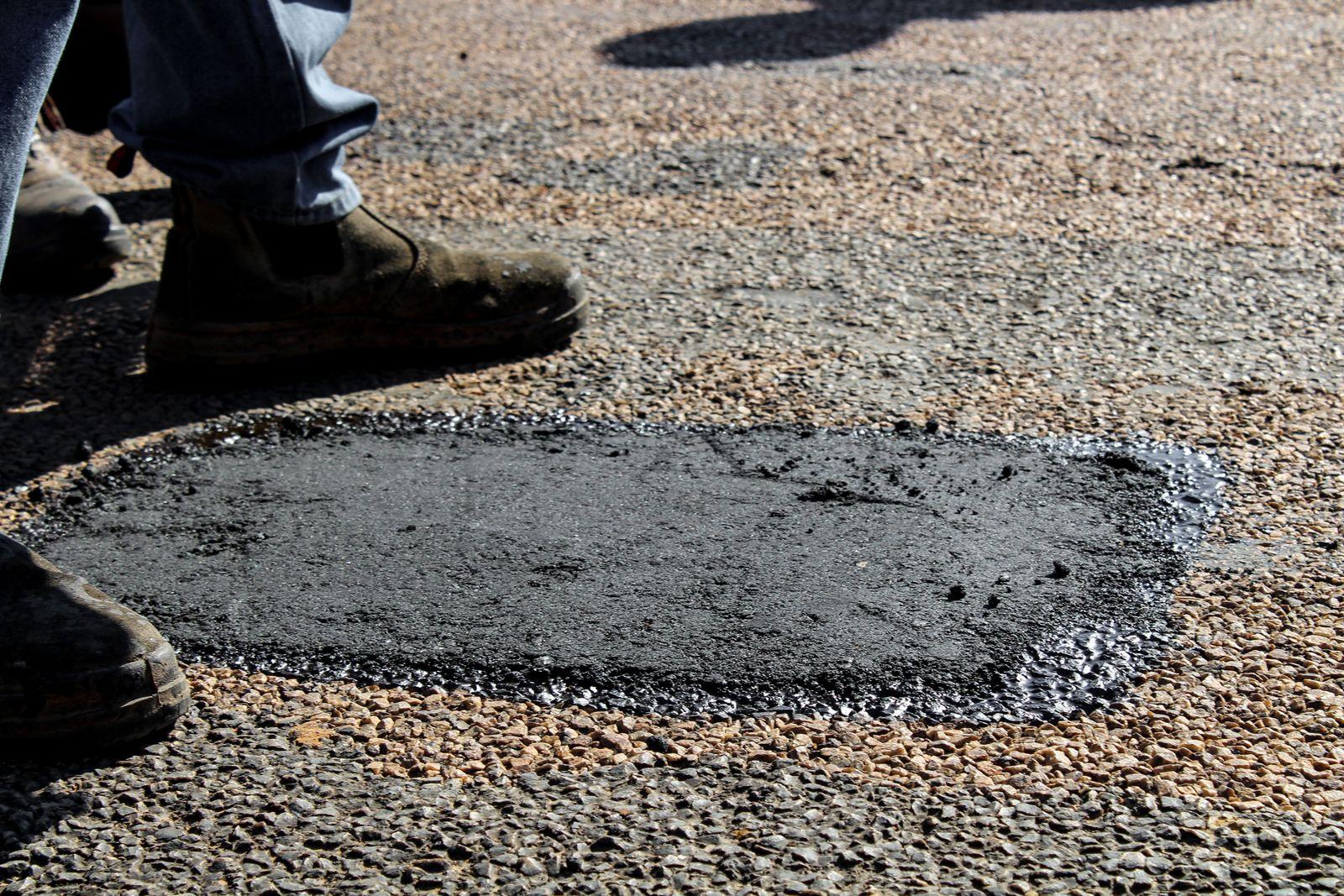
Anyone who drives across Sydney after a week of heavy rain has seen the same frustrating cycle: a pothole or utility trench is quickly filled with a shovel of loose black mix, and within two weeks of traffic, half the patch is scattered across the gutter and the hole is deeper than ever.
Why do some asphalt repairs fail in weeks while others last 10+ years? The answer lies in the engineering difference between temporary emergency cold-mix patching and permanent diamond saw-cut hot mix reinstatement. Whether you are a commercial facility manager eliminating trip hazards or a plumbing/electrical contractor needing compliant “make good” sign-off on an excavated trench, here is how permanent utility trench reinstatement and pothole repairs are executed.
Comparing the 3 Pothole Repair Methods Used in Sydney
Inspired by transparent industry durability benchmarks (Potholes Sydney, Boral Asphalt), here is how the three common repair options compare:
| Repair Method | How It Is Performed | Expected Service Life | When to Use It |
|---|---|---|---|
| 1. Cold Mix Throw-and-Roll (Emergency Make-Safe) | Bagged cold-lay asphalt (fluxed with slow-curing oils) is shovelled into an unprepared hole and tamped down. | Weeks to 6 Months (Temporary Only) | Wet weather emergency make-safe when hot mix plants are closed or until a permanent crew arrives. |
| 2. Hot Mix Surface Overlay Patch (Economy Holding Repair) | Loose stones are swept from the hole, bitumen emulsion tack coat is sprayed, and hot mix AC10 is compacted slightly proud over the defect without saw-cutting. |
1 to 4 Years | Budget holding repairs on low-speed parking bays or sites scheduled for full knockdown/resurfacing soon. |
| 3. Full-Depth Diamond Saw-Cut & Replace (Permanent Structural Repair) | Diamond saw-cut square 150mm beyond fractured edges -> excavate -> compact DGB20 base -> tack-coat vertical walls -> compact hot mix flush. |
10+ Years | All main drive aisles, roadways, pedestrian walkways, strata driveways, and permanent asset management. |
Why Diamond Saw-Cutting Square Edges Is the Secret to a 10-Year Patch
Around every visible circular pothole is a 100mm to 200mm halo of cracked, delaminated asphalt where the underlying roadbase has already been washed away by water.
- Vertical Confinement: When our crew uses a wet diamond road saw to cut a neat rectangle or square outside that fractured halo, we create vertical 90-degree solid asphalt walls. When the vibratory roller or plate compactor compresses the new hot mix
AC10/AC14inside that square box, the mix is locked tightly against solid vertical walls rather than feathering out to a weak 5mm edge that chips away under tyres. - Waterproof Vertical Joint Sealing: Painting the clean saw-cut vertical faces with hot bitumen emulsion tack coat (or elastomeric joint tape on council roadways) seals the perimeter joint so rainwater cannot sneak back down between the old pavement and the new patch.
Best Practice for Plumbers, Electricians & Civil Contractors: Utility Trench Reinstatement
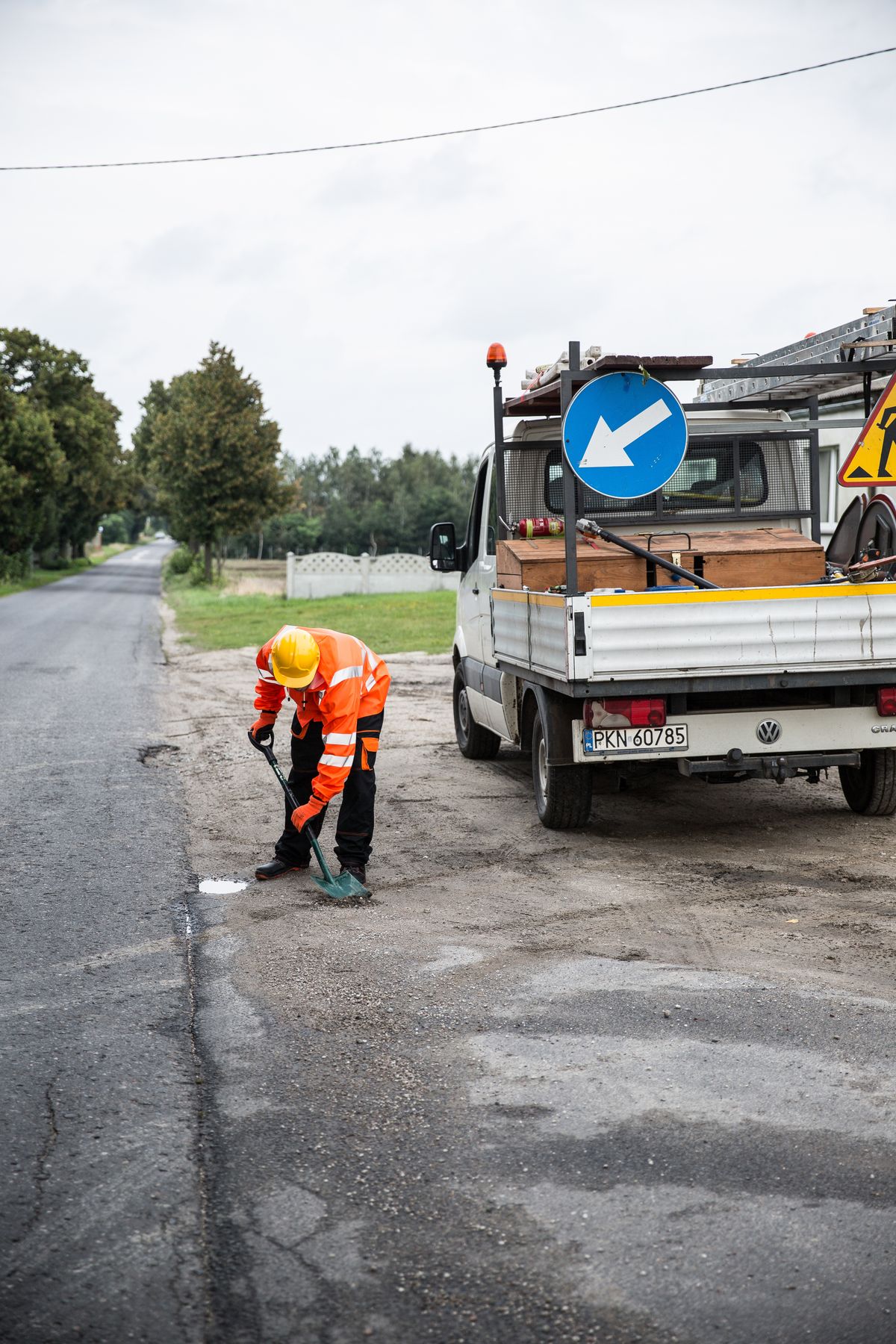
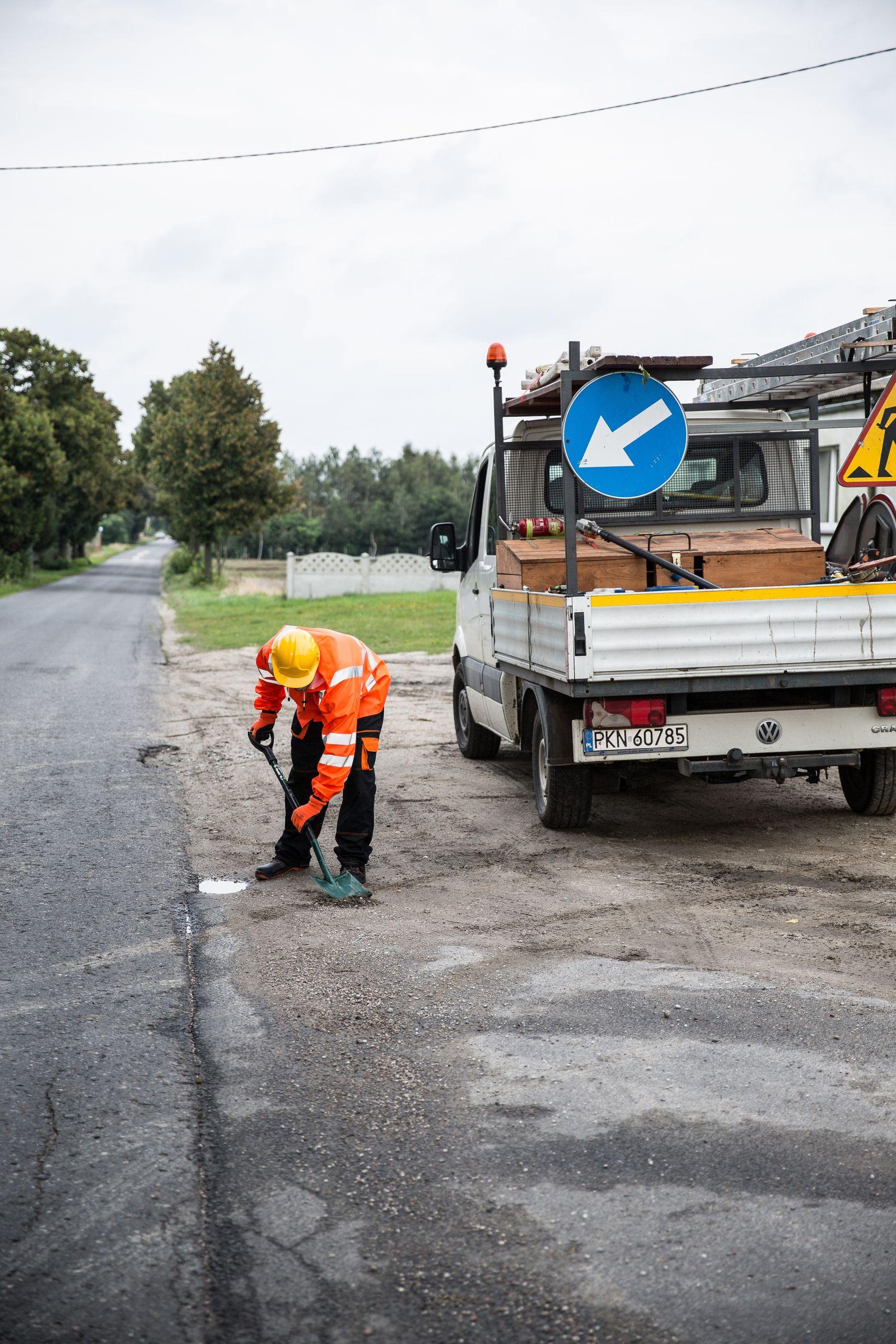
When a hydraulic plumber replaces a burst fire main or sewer pipe across a strata driveway, commercial car park, or Sydney council street, the biggest risk is post-construction trench settlement—where the asphalt patch sinks 30mm six months later, triggering defects-liability call-backs.
Here is how National Road Surfacing executes zero-settlement utility trench restorations across Sydney:
Step 1: Layered Backfill & Compaction Verification
Trench settlement almost always happens in the bottom pipe bedding and backfill zone. Backfill material (DGB20 roadbase or stabilised sand) must be compacted in controlled 150mm lifts using a mechanical trench rammer (“jumping jack”) or vibratory trench roller—never simply pushed back into a 1-metre deep trench with a backhoe bucket and rolled once on top.
Step 2: Stepped “T-Cut” Saw-Cutting Into Undisturbed Shoulders
During trench excavation, the vertical soil walls of the trench often fret inward slightly underneath the edge of the existing asphalt. Before laying the final asphalt surface, we saw-cut and step back 100mm to 150mm into the undisturbed pavement on both sides of the trench (creating a “T-section” bridge). This ensures the edges of the new asphalt patch rest on solid, unexcavated virgin roadbase on either side of the trench.
Step 3: Multi-Lift Hot Mix Reinstatement (AC20 Base + AC10/AC14 Wearing Course)
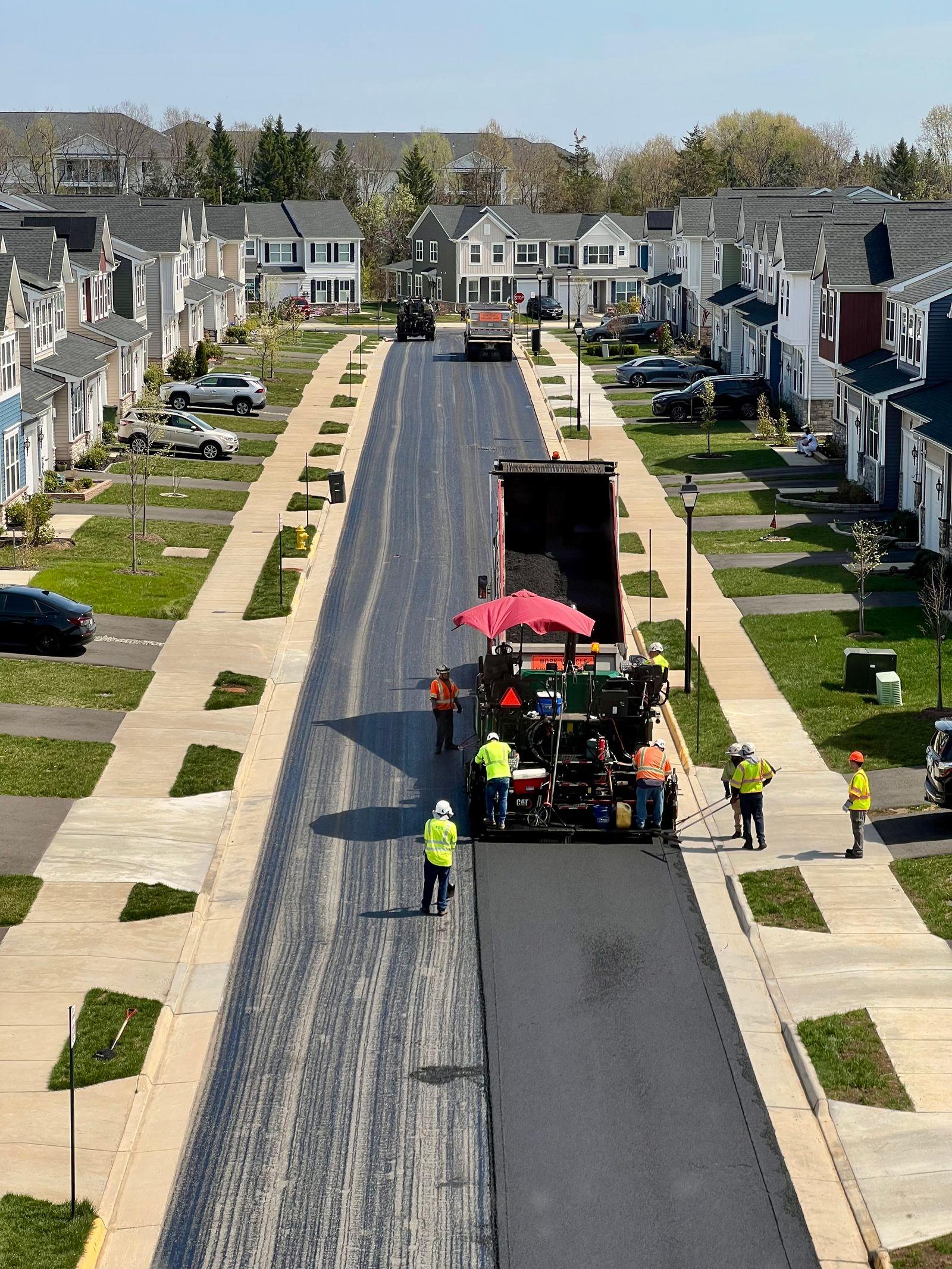
For commercial and council road trenches, we lay a deep-lift AC20 structural base course compacted in lifts, followed by a tack coat and a 35mm–50mm AC10 or AC14 wearing course finished dead-flush with the surrounding road so drivers feel zero bump when crossing the trench.
Frequently Asked Questions
Can we book National Road Surfacing just to do the final asphalt “make good” after our plumbers backfill the trench?
Yes! We work regularly as the trusted asphalt reinstatement partner for Sydney plumbers, electricians, fire-protection contractors, and civil excavators. Simply backfill your trench to within 150mm–200mm of finished level (or ask us to supply and compact the final DGB20 roadbase layer), send us the trench length, width, and suburb, and we will saw-cut, tack-coat, and reinstate the hot mix asphalt cleanly.
Conclusion & Next Steps
Whether you are fixing hazardous potholes in a shopping centre car park or closing out a plumbing trench in a strata complex, saw-cut hot mix reinstatement eliminates repeat call-backs and public liability risks. Explore our broader commercial pavement repairs or read our Car Park Maintenance Checklist.
Need a fast quote for pothole patching or trench reinstatement in Sydney? Call National Road Surfacing on 0475 013 264 or submit your trench dimensions and photos online.
Related Services Mentioned in This Guide
Need Fast Pothole Repairs or Utility Trench Reinstatement in Sydney?
Or call 0475 013 264Related Guides
Common Asphalt Pavement Problems: Identifying Crocodile Cracking, Rutting, Raveling & Depressions
Pavement Maintenance, Defects & RepairsPreventative Asphalt Maintenance: How Crack Sealing & Timely Repairs Save Thousands
Commercial Car Parks & Industrial HardstandsCar Park Maintenance Checklist: Line Marking, Speed Humps, Wheel Stops & AS 2890 Compliance