
Road & Driveway Surfacing for Commercial & Strata Properties: A Guide for Committees & Managers
By National Road Surfacing · Updated 1 November 2026
Introduction
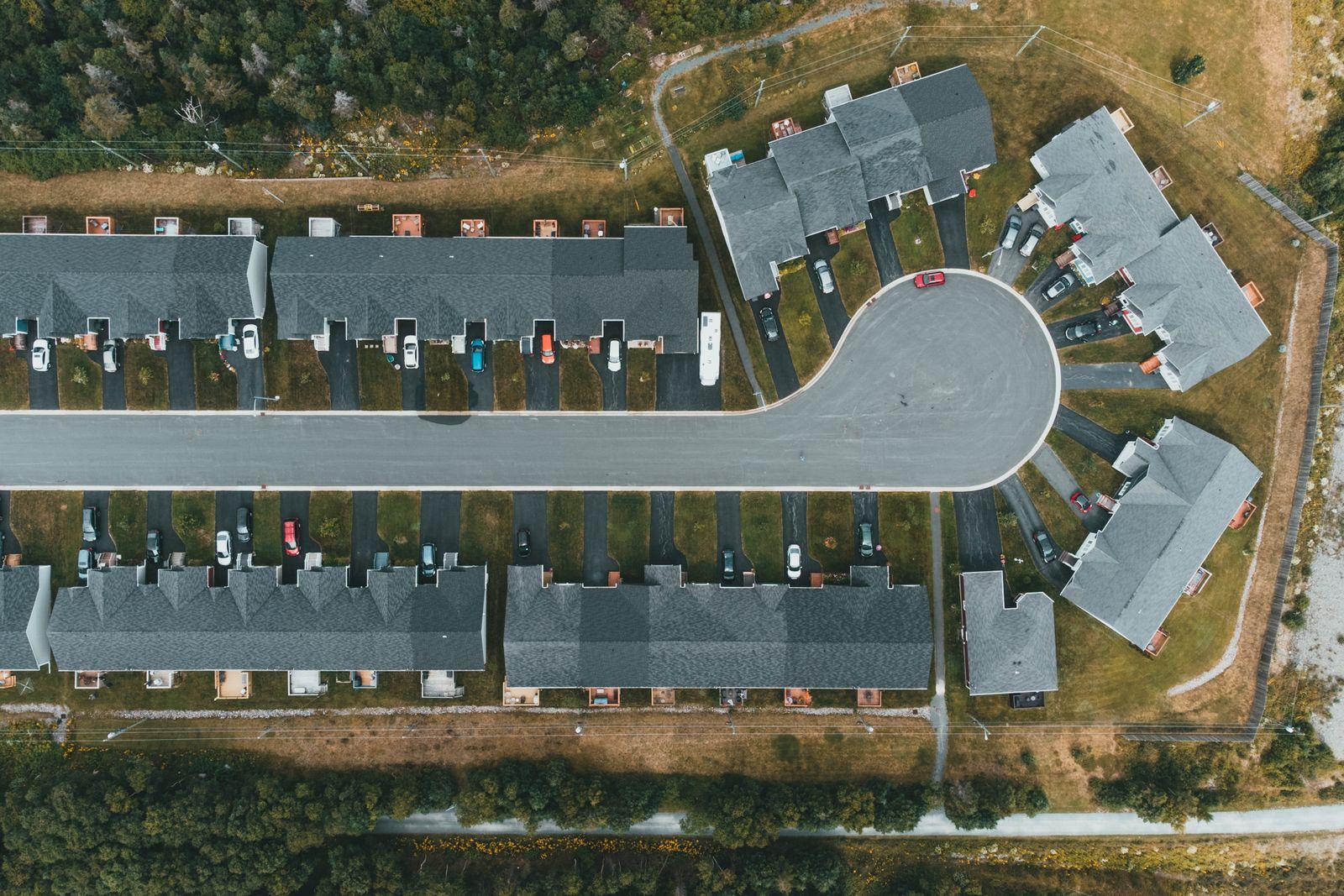
Coordinating pavement repairs or full driveway resurfacing across a multi-unit residential strata complex (Owners Corporation), a community-title townhouse estate, or a multi-tenant commercial business park in Sydney involves unique challenges that never arise on a single-family home.
Beyond the technical engineering of the asphalt itself, strata managers and facility managers have to navigate Capital Works Fund budgets, AGM/EGM committee voting, resident vehicle access logistics, garbage truck axle weights, and tree-root trip hazards. Having partnered with strata and commercial managers across Greater Sydney, our strata and commercial asphalt contractors have compiled this practical guide to taking a multi-unit surfacing project from initial complaint to smooth handover.
How to Structure Proposals for Strata Committee (AGM / EGM) Approval
One of the most common reasons strata driveway upgrades stall at committee meetings is that owners are presented with a single vague quote and cannot tell whether they should patch the worst potholes now or resurface the entire common property driveway.
When National Road Surfacing (ABN 14 684 397 233) inspects a strata or commercial property, we can prepare a Multi-Option Engineering Proposal tailored specifically for committee comparison:
- Option 1 – Make-Safe & Targeted Structural Patching (1–3 Year Horizon): Diamond saw-cut and full-depth
AC10/AC14replacement of strictly the high-risk trip hazards, potholes, and sunken trench cuts, plus hot bitumen crack sealing. Ideal when the Capital Works Fund is building reserves toward a future major upgrade. - Option 2 – Full Cold Milling & Asphalt Resurfacing Overlay (15–20+ Year Horizon): Complete cold-milling of tie-in rebates and kerb edges, base repair of soft pockets, emulsion tack coating, and a continuous 35mm–45mm
AC10orAC14hot mix overlay with fresh bay numbering and visitor parking lines (strata car park resurfacing). - Option 3 – Staged Multi-Year Capital Works Plan: Resurfacing the high-wear entry throat and main turning aisle in Financial Year 1, followed by the rear parking courts in Financial Year 2.
Solving the #1 Strata Headache: Resident Vehicle Access & Staging
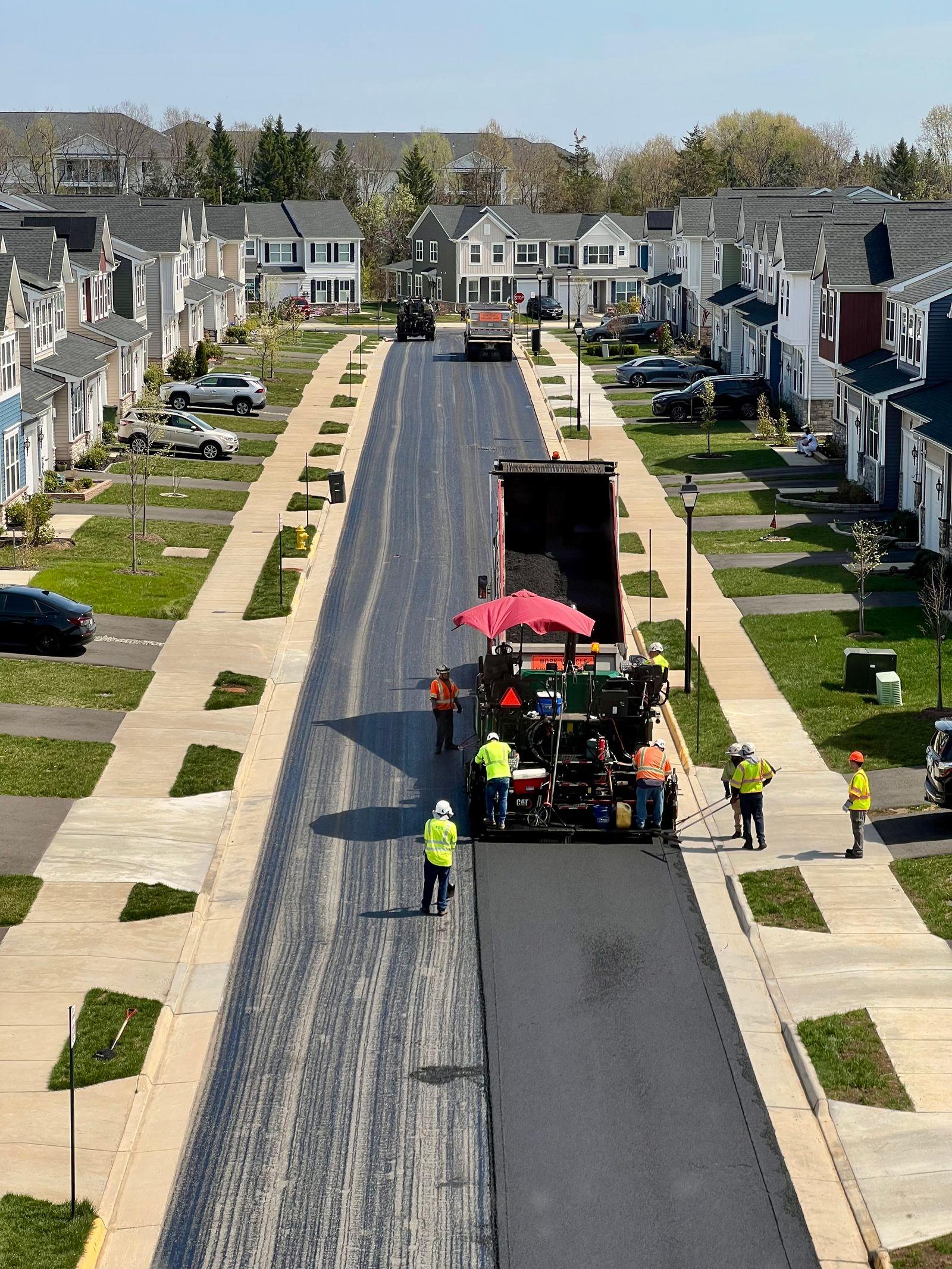
In a 30-unit apartment block or townhouse complex with a single common driveway leading to basement garages, blocking the driveway for a week is impossible. Here is how we keep resident disruption to a minimum:
| Driveway Layout | Our Staging & Access Strategy | Typical Resident Impact |
|---|---|---|
Wide Two-Lane Common Driveway (>= 5.5m–6m wide) |
Longitudinal Half-Width Staging: We cold-mill and pave the left lane while traffic controllers or cones guide vehicles along the right lane, then swap sides once cooled. | Near-Zero Lockout — controlled single-lane access maintained throughout. |
Narrow Single-Lane Battle-Axe Handle (3m–4m wide) |
Single-Day Rapid Blitz (7:30 am – 4:00 pm): Residents move cars to the street before 7:30 am. We profile, tack-coat, pave, and roll the entire lane in one continuous shift. |
Pedestrian access on footpaths at all times; vehicle access resumes the next morning (24 hours). |
| Multi-Court Townhouse Estate | Zone-by-Zone Daily Handover: Court A is resurfaced on Day 1 while Courts B & C remain open; Court B is resurfaced on Day 2. | Each resident is affected for only a single daytime window. |
Upgrading Strata Driveways for Waste Trucks & Fire Appliances
Many older Sydney strata complexes built in the 1970s and 1980s were paved with only 25mm of light residential asphalt over thin gravel—originally designed for light family sedans. Today, heavy council waste compactors, supermarket delivery vans, and moving trucks regularly enter strata driveways, causing wheel-track ruts and breaking down concrete gutter crossovers.
When resurfacing a strata driveway that carries waste-collection trucks, we upgrade the specification from standard light AC7 to a 40mm–50mm AC10 or AC14 Dense Graded Asphalt wearing course (and excavate/strengthen any soft base pockets with deep-lift AC20 first) so the renewed driveway handles modern heavy vehicles without rutting.
Managing Tree-Root Uplift & Stormwater Pit Flooding in Strata Schemes
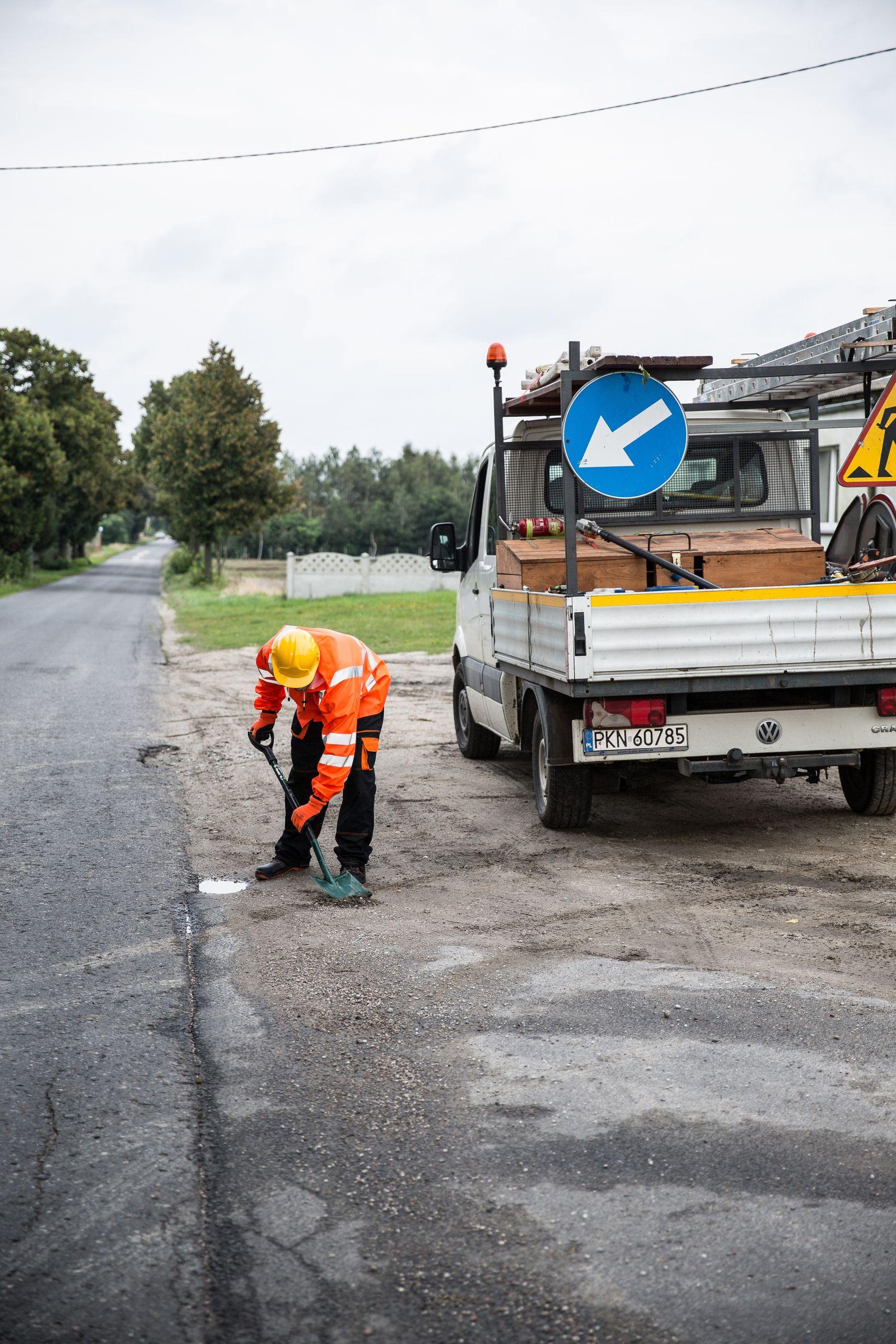
- Tree-Root Heave: Mature gums, figs, and brushbox trees along strata boundaries frequently lift asphalt walkways and parking bays. We saw-cut the uplifted section, coordinate root pruning/root-barrier installation, re-compact the base, and lay a flush, trip-free hot mix patch.
- Blocked or Sunken Grated Pits: During resurfacing, we reset sunken cast-iron stormwater grates and install profiled asphalt dish drains or speed humps to divert overland stormwater away from ground-floor units and basement ramps.
Frequently Asked Questions
Do you provide advance resident notice templates for strata managers?
Yes. Once a work date is locked in, we provide a clear summary of working hours, vehicle movement cut-off times, pedestrian access routes, and wet-weather backup dates that strata managers can email directly to owners and tenants or post on building noticeboards.
Conclusion & Next Steps
A well-planned strata or commercial resurfacing project boosts individual lot values, eliminates slip-and-trip insurance claims, and stops ongoing pothole call-out fees. Read our next guide on Understanding Australian Asphalt Mix Types or review our 10 Questions to Ask Before Choosing a Sydney Asphalt Contractor.
Need an itemised strata or commercial quote in Sydney? Call National Road Surfacing on 0475 013 264 or request a strata site inspection online.
Related Services Mentioned in This Guide
Need a Strata or Commercial Surfacing Proposal for Your Committee?
Or call 0475 013 264Related Guides
Commercial Car Park Surfacing in Sydney: Design, Drainage, Staging & Compliance
Commercial Car Parks & Industrial HardstandsCar Park Maintenance Checklist: Line Marking, Speed Humps, Wheel Stops & AS 2890 Compliance
Driveways, Costs & Project PlanningHow to Choose a Road Surfacing & Asphalt Contractor in Sydney: 10 Questions to Ask Before Signing