
How to Choose a Road Surfacing & Asphalt Contractor in Sydney: 10 Questions to Ask Before Signing
By National Road Surfacing · Updated 1 November 2026

Introduction
When you gather three quotes for an asphalt driveway, a strata road resurface, or a commercial car park in Sydney, it is common to see the highest and lowest prices differ by 30% to 50%. Why? Because unlike buying a pre-manufactured appliance with a model number, an asphalt pavement is custom-built on your site—and what a contractor leaves out of a vague 3-line quote can cost you tens of thousands of dollars in premature failure two years later.
Even worse, Australian consumer protection agencies periodically warn rural and suburban property owners about itinerant door-knocking “leftover bitumen from a highway job” scammers who lay 10mm of uncompacted gravel and emulsion that washes away in the first rainstorm.
To help you hire with total confidence, here are the 10 essential questions you should ask before signing with any Sydney road surfacing contractor—and how about National Road Surfacing Sydney (NATIONAL ROAD SURFACING PTY LTD, ABN 14 684 397 233) approaches every one of them.
The 10 Questions Every Smart Buyer Should Ask
1. “What is your registered Australian Business Number (ABN) and legal company name?”
Always verify that the contractor is a registered Australian corporate entity with active GST registration on the official Australian Government ABN Lookup portal. Never deal with cash-only operators who refuse to put their ABN, ACN, and physical business details on a formal written quotation.
2. “Does your quote specify the COMPACTED asphalt thickness in millimetres—or loose depth?”
This is the #1 hidden trap in cheap asphalt quotes. Loose hot mix asphalt compresses by roughly 20% to 25% when rolled. If a contractor quotes “40mm asphalt” but means 40mm loose, you only end up with a thin ~30mm compacted layer—saving the contractor 25% on asphalt plant tonnage at your expense. Always insist the quote states X mm compacted thickness.
3. “Which specific Australian Standard asphalt mix designation (AC7, AC10, AC14, AC20) will be laid?”
A professional quote never just says “lay hot mix asphalt.” It specifies the exact mix grading suited to your traffic:
AC7for footpaths and courts.AC10for residential driveways and passenger car parks.AC14for commercial delivery aisles and council roads.AC20+AC14/SMAfor heavy industrial hardstands.
4. “How thick and what specification is the roadbase (DGB20) underneath?”
If constructing a new pavement, ask for the exact compacted thickness of crushed rock roadbase (e.g., 150mm compacted DGB20) and confirm that subgrade proof-rolling and Optimum Moisture Content compaction are included.
5. “For resurfacing jobs, does your price include cold milling (profiling) and a bitumen emulsion tack coat?”
Laying new asphalt directly over dusty old asphalt without cold-milling tie-in rebates and without spraying a cationic bitumen emulsion tack coat guarantees the new layer will create lip hazards at kerbs and delaminate under braking. Both cold milling and tack coating must be explicitly listed on your quote.
6. “How will you handle existing crocodile-cracked soft spots before laying the overlay?”
If an estimator proposes laying a 35mm overlay straight over sunken, crocodile-cracked pockets without saw-cutting and repairing those failed base areas first, the old cracks will reflect through the new surface within a year (Solve Civil Resurfacing).
7. “How will stormwater drainage falls and pit levels be managed?”
Ask how the crew will prevent “birdbath” puddles in flat areas—such as checking laser gradients, installing a fine AC7 regulating levelling course in low hollows, or adjusting stormwater pit grates.
8. “What paving and compaction machinery will you bring to my site?”
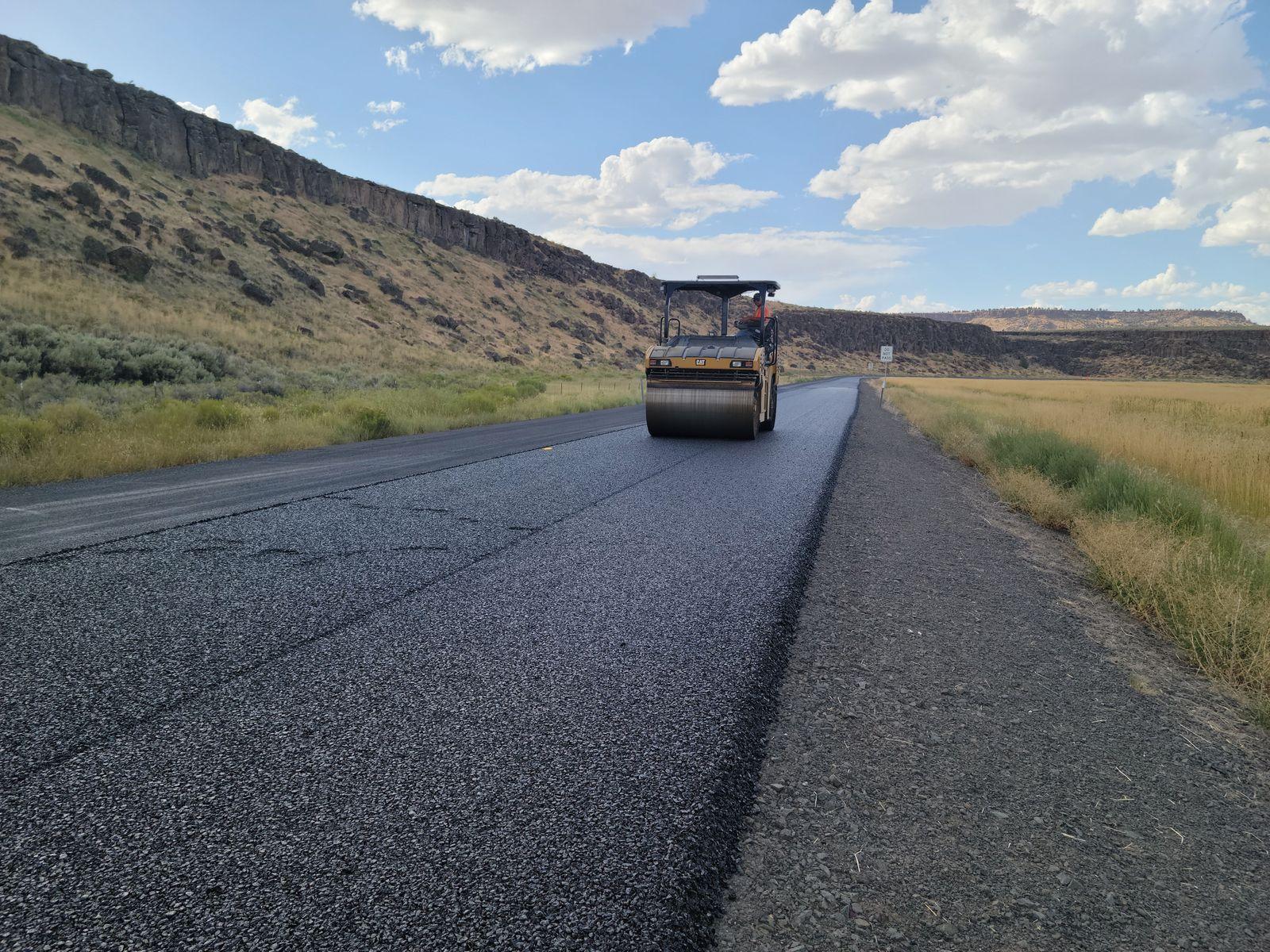
Proper density requires the right plant: mechanical pavers (where access allows), vibratory dual-steel-drum rollers for breakdown compaction, pneumatic multi-tyre rollers for surface sealing, and plate compactors/rammers for tight corners and trenches (All Ash Plant Showcase).
9. “How will you stage the works to minimise disruption to our business or residents?”
For commercial car parks, schools, industrial yards, and strata schemes, confirm upfront whether the contractor offers half-width sectional staging, weekend shifts, or clear resident notification schedules.
10. “Are there any excluded items or potential variation triggers we should know about upfront?”
A trustworthy contractor explains clearly upfront what is included and what could constitute a variation (for example, encountering unexpected shallow rock shelf or buried concrete slabs during excavation) so there are zero surprises on invoice day.
Checklist: Red Flags to Walk Away From
- ❌ Unsolicited Door-Knockers Claiming “Leftover Asphalt from Down the Road”: Accredited hot mix asphalt is ordered to exact tonnage from batch plants and goes cold and unusable within hours—reputable civil contractors never hawk “leftover truckloads” door to door.
- ❌ Verbal Quotes or Unitemised One-Line Estimates: If the quote doesn’t state m², compacted
mmdepth, and mix code (AC10/AC14), do not sign. - ❌ Demanding Large Upfront Cash Deposits Before Mobilisation: Always insist on standard commercial invoicing with ABN and GST details.
Conclusion & Next Steps
Asking these 10 questions separates professional pavement engineers from corner-cutters in five minutes flat. Ready to put us to the test? Read our final regional planning guide on Planning Road Surfacing Projects Across Sydney Councils or request a written surfacing quote from our team today.
Speak directly with National Road Surfacing: Call 0475 013 264 or submit your project scope online.
Related Services Mentioned in This Guide
Want a Transparent, Itemised Written Quote From a Registered Sydney Team?
Or call 0475 013 264Related Guides
Factors Affecting Asphalt Surfacing & Resurfacing Costs per Square Metre (m²) in Sydney
Commercial Car Parks & Industrial HardstandsRoad & Driveway Surfacing for Commercial & Strata Properties: A Guide for Committees & Managers
Driveways, Costs & Project PlanningPlanning Road Surfacing & Vehicular Crossover Projects Across Sydney Councils