
Planning Road Surfacing & Vehicular Crossover Projects Across Sydney Councils
By National Road Surfacing · Updated 1 November 2026
Introduction
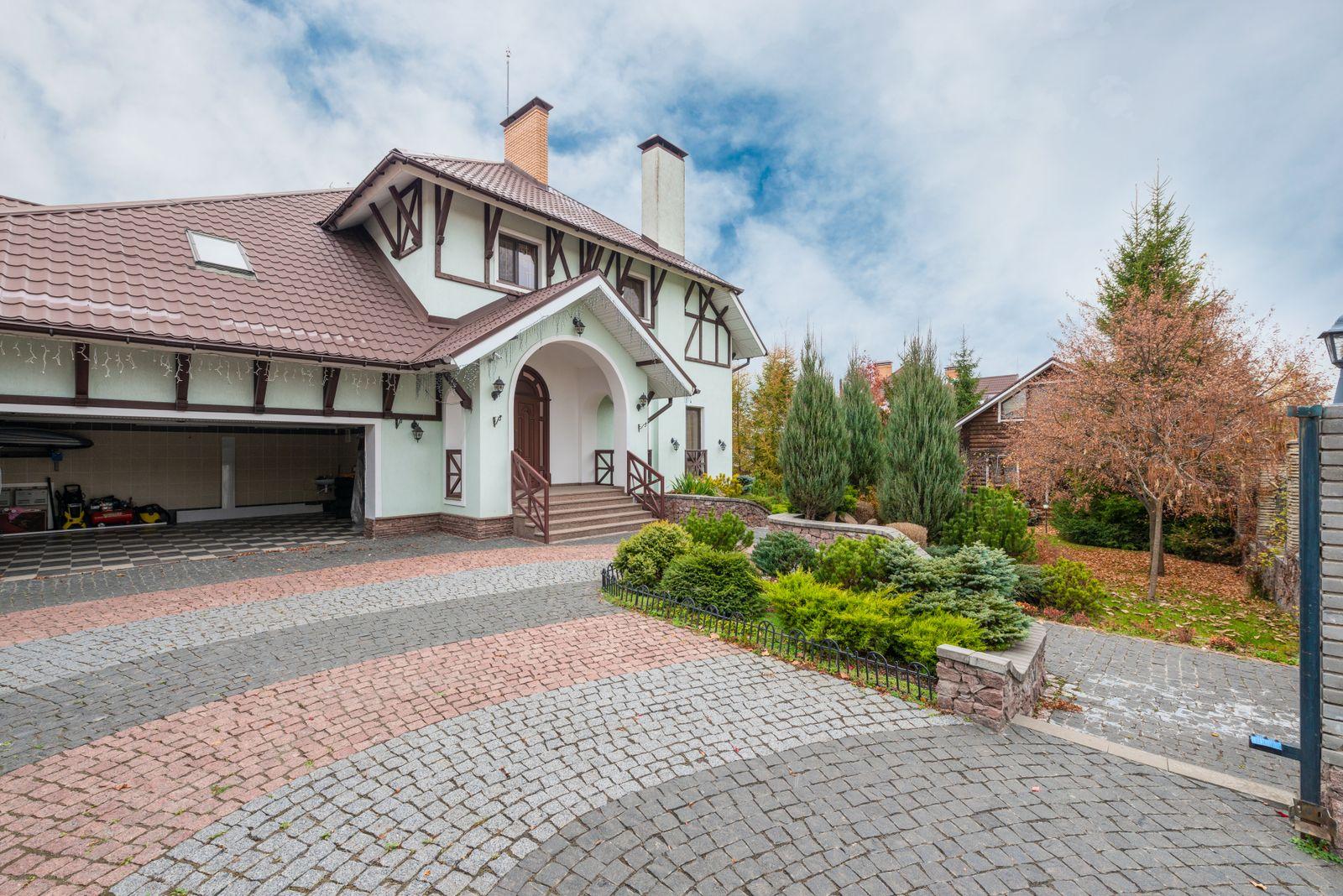
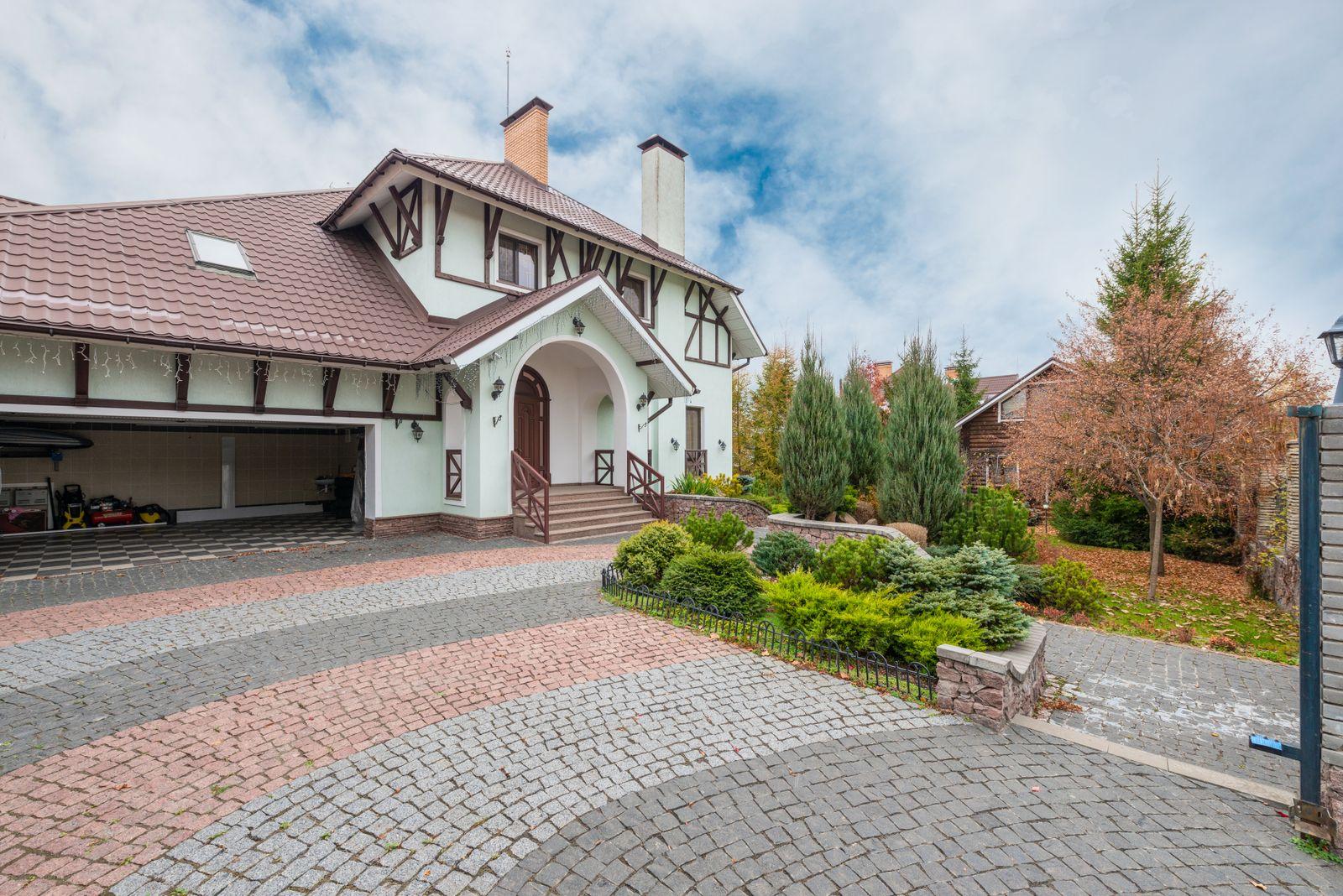
When you resurface a private driveway, strata roadway, or commercial car park located entirely inside your private property boundary, you generally do not need local council development approval (unless your property is subject to specific heritage overlays or pervious-landscaped-area Development Application [DA] conditions).
However, the moment your surfacing works cross over the front property boundary line onto the council nature strip (footpath verge), concrete kerb and gutter, or public roadway—for example, when constructing a new vehicular crossover (driveway layback) or reinstating a plumber’s road-opening utility trench—New South Wales legislation requires strict adherence to local council engineering standards.
Operating from our central Sydney base at 12 Sixth Avenue, Campsie (NSW 2194) across all Sydney metropolitan road surfacing areas, National Road Surfacing helps homeowners, builders, and civil contractors navigate local surfacing requirements smoothly.
Private Property Surfacing vs Council Road Reserve Works
| Project Location & Scope | Typical Approval / Compliance Requirement in NSW | Key Engineering Considerations |
|---|---|---|
| 1. Resurfacing an Existing Driveway or Car Park Inside Private Property | No Council Permit Required in standard zones (maintenance/like-for-like renewal). | Maintain existing boundary levels so stormwater never discharges over the footpath onto the council road reserve; preserve AS 2890.6 accessible bays in commercial sites. |
| 2. Constructing a Brand-New Driveway or Expanding Impervious Car Park Area | Check local council Exempt & Complying Development (SEPP) rules or DA conditions for maximum impervious area % and stormwater On-Site Detention (OSD). | Connect garage threshold ACO trench drains and surface pits to the legal point of stormwater discharge. |
| 3. Building or Modifying a Council Vehicular Crossover (Nature-Strip Layback) | Requires a Vehicular Crossing / Section 138 Roads Act 1993 Approval from the local Sydney council prior to excavation. | Must match council standard drawings for width, longitudinal gradient (AS/NZS 2890.1 template to prevent car scraping), concrete footpath priority, and material spec. |
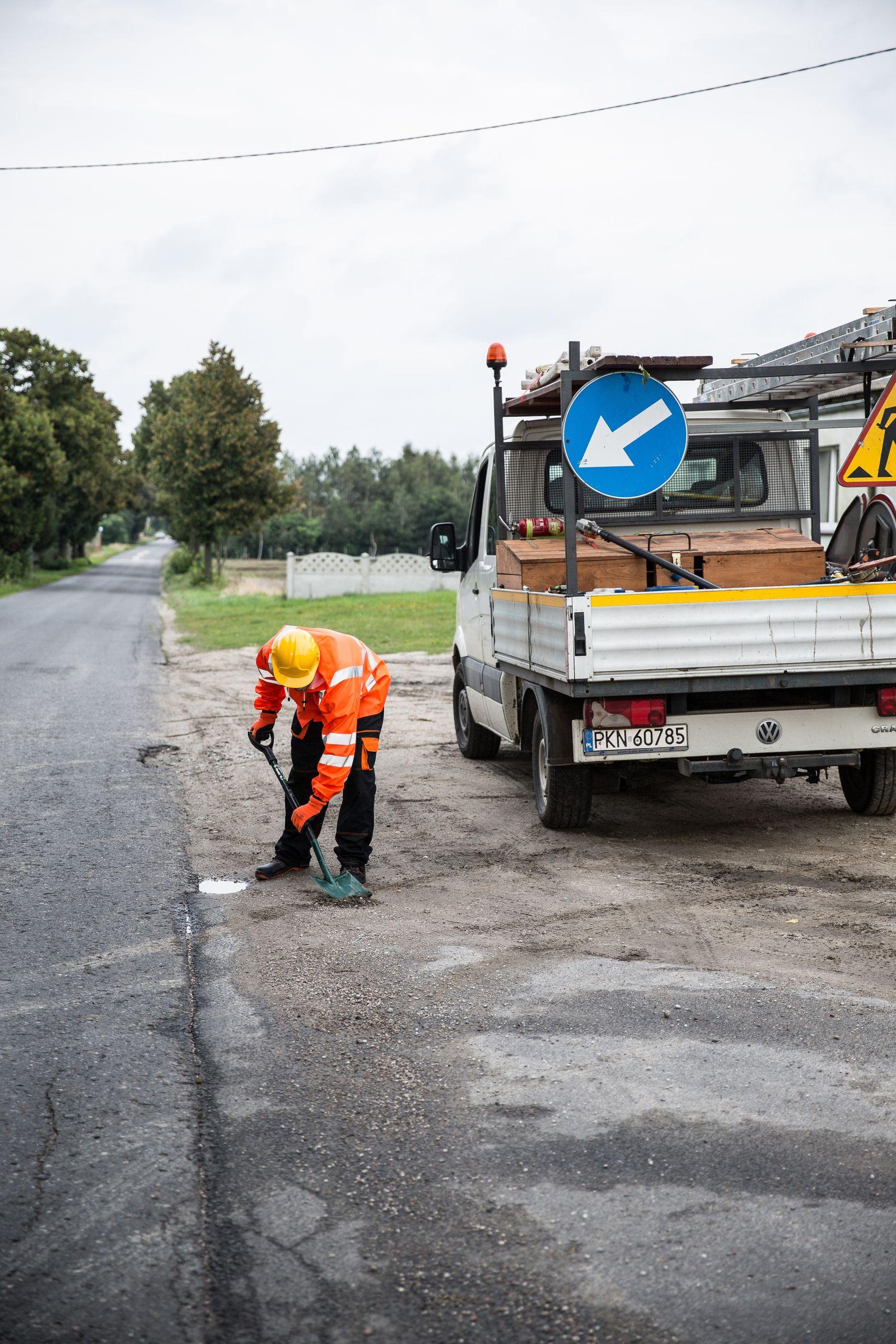
| 4. Utility Trench Reinstatement in a Council Street or Footpath | Covered under a Council Road Opening Permit (ROP) and utility authority restoration standards. | Requires stepped saw-cutting, compacted DGB20 or stabilised backfill, and multi-lift AC20/AC10/AC14 hot mix restoration flush with surrounding road levels. |
Understanding Section 138 Approvals & Council Vehicular Crossovers
Under Section 138 of the NSW Roads Act 1993, a person must not dig up or disturb the surface of a public road (which legally includes the nature-strip verge from your front boundary fence to the street kerb) without the consent of the appropriate roads authority (typically your local Sydney council, or Transport for NSW [TfNSW] on classified state arterial roads).
When planning council vehicular crossovers in Sydney across councils such as Canterbury-Bankstown, Inner West, City of Parramatta, Cumberland, Blacktown, Liverpool, Camden, Northern Beaches, Ku-ring-gai, The Hills Shire, or Sutherland Shire, keep three engineering rules in mind:
- Pedestrian Footpath Continuity: Where a concrete council footpath runs along the nature strip, most urban Sydney councils require the continuous concrete footpath slab to take visual and structural priority across the driveway, with the vehicular crossover aprons flanking either side. In semi-rural or outer-ring council zones (or specific heritage/industrial precincts), hot mix asphalt crossovers (
40mm–50mm AC10/AC14over150mm–200mm DGB20base) are widely utilised. - Preventing Bottoming-Out (Ground Clearance Transitions): If the street gutter sits significantly lower or higher than your front boundary, the crossover profile must follow AS/NZS 2890.1 grade-change transitions (
max 12.5%change over a2.0mtransition summit/sag) so sedans neither scrape their front bumper in the gutter nor high-centre their chassis over the footpath crest. - Underground Service Dial-Before-You-Dig Checks: Council nature strips contain shallow NBN fibre optic cables, Sydney Water mains, Jemena gas lines, and Ausgrid/Endeavour Energy power conduits right beneath the grass. Always obtain free Before You Dig Australia (BYDA) plans before excavating any crossover.

Regional Soil & Drainage Realities Across Sydney’s 6 Major Corridors
Because Greater Sydney spans everything from coastal sand dunes to the reactive clay basin of the Cumberland Plain, we tailor our surfacing specifications to your local council region:
- Canterbury-Bankstown & Inner West (
Campsie,Bankstown,Marrickville,Strathfield,Burwood): High density of strata complexes, narrow battle-axe lanes, mature street trees requiring root-heave protection, and industrial estates in Chullora and Marrickville requiring heavyAC14/AC20pavements. - Western Sydney & Parramatta (
Wetherill Park,Silverwater,Blacktown,Eastern Creek,Penrith): Expansive clay subgrades (CBR 2%–4%) and high summer temperatures (40°C+) that demand thickerDGB20bases and stifferC320/PMBbinders in industrial hardstands. - South-West Sydney & Macarthur (
Liverpool,Moorebank,Ingleburn,Campbelltown,Camden): Rapid greenfield subdivision growth and acreage estates ideal for both full-depth commercial asphalt and semi-rural two-coat hot bitumen spray seals. - North Shore, Hills District & Hawkesbury (
Chatswood,Macquarie Park,Hornsby,Castle Hill,Dural,Windsor): Sloping sandstone topography and leafy bushland blocks where steep-grade traction (AC10/AC14) and intercepted surface stormwater drains are paramount.
Frequently Asked Questions
Can National Road Surfacing pave up to our council boundary and tie into an existing concrete layback?
Yes. On the vast majority of residential and commercial jobs where the council kerb layback and nature-strip crossing are already in place, we cold-mill a clean 30mm–40mm rebate right along your front boundary line (where your private driveway meets the council crossover), spray a hot bitumen tack coat, and compact your new asphalt dead-flush with the council concrete—requiring zero council permits and leaving a seamless transition.
Conclusion & Next Steps
Understanding where private property works end and council road-reserve regulations begin keeps your project compliant, on schedule, and stress-free. Review our complete Sydney & NSW Service Areas or read our 10 Questions to Ask Before Choosing a Sydney Asphalt Contractor.
Ready to start your Sydney road surfacing, car park, or driveway project? Contact National Road Surfacing at 12 Sixth Avenue, Campsie, NSW 2194 by calling 0475 013 264 or requesting your free itemised quote online.
Related Services Mentioned in This Guide
Planning Surfacing Works in Your Sydney Council Area?
Or call 0475 013 264Related Guides
Commercial Car Park Surfacing in Sydney: Design, Drainage, Staging & Compliance
Resurfacing, Profiling & ConstructionAsphalt Base Preparation: Why Subgrade Stability, DGB20 Compaction & Drainage Matter Most
Driveways, Costs & Project PlanningHow to Choose a Road Surfacing & Asphalt Contractor in Sydney: 10 Questions to Ask Before Signing