
When Does a Road or Car Park Need Resurfacing? 8 Warning Signs to Watch For
By National Road Surfacing · Updated 1 November 2026
Introduction
Asphalt pavements do not deteriorate at a constant linear rate. For the first 12 to 15 years of its life, a well-built Sydney road or commercial car park shows very little visible wear. Then, as UV sunlight and oxygen gradually stiffen the bitumen binder, deterioration accelerates rapidly along what civil engineers call the Pavement Condition Curve.
Timing your intervention correctly is worth tens of thousands of dollars. If you schedule professional asphalt resurfacing during the “preventative rehabilitation window”—while defects are still confined to the top 35mm–45mm wearing course—you preserve the expensive crushed rock roadbase beneath. Wait just 2 or 3 rainy Sydney winters too long, and water penetrating into the base will force a full-depth excavation costing two to three times more (Road Ways Carpark Resurfacing Guide).
Here are the 8 clear warning signs that your road, car park, or strata driveway is ready for resurfacing.
The 8 Warning Signs Your Asphalt Needs Resurfacing
1. Severe Colour Fading & Brittle Oxidation (Charcoal Turning Light Grey)
Fresh hot mix asphalt is jet black. Over years of exposure to intense Australian UV radiation, the aromatic oils in the bitumen binder oxidise and evaporate, turning the surface pale silver-grey. While colour fading alone is normal, an ashy, bone-dry appearance indicates the binder has lost its flexibility and can no longer stretch under vehicle tyres without micro-cracking.
2. Surface Raveling (Loose Gravel & Exposed Coarse Stones)
Walk across your car park or driveway and look closely at the texture. If the fine sand matrix has eroded away, leaving coarse stones sticking up proudly or loose gravel collecting in gutters, the pavement is raveling. Raveling accelerates rapidly under power-steering turns and makes the porous surface take on water like a sponge.
3. Widening Linear & Block Shrinkage Cracks (>3mm Wide)
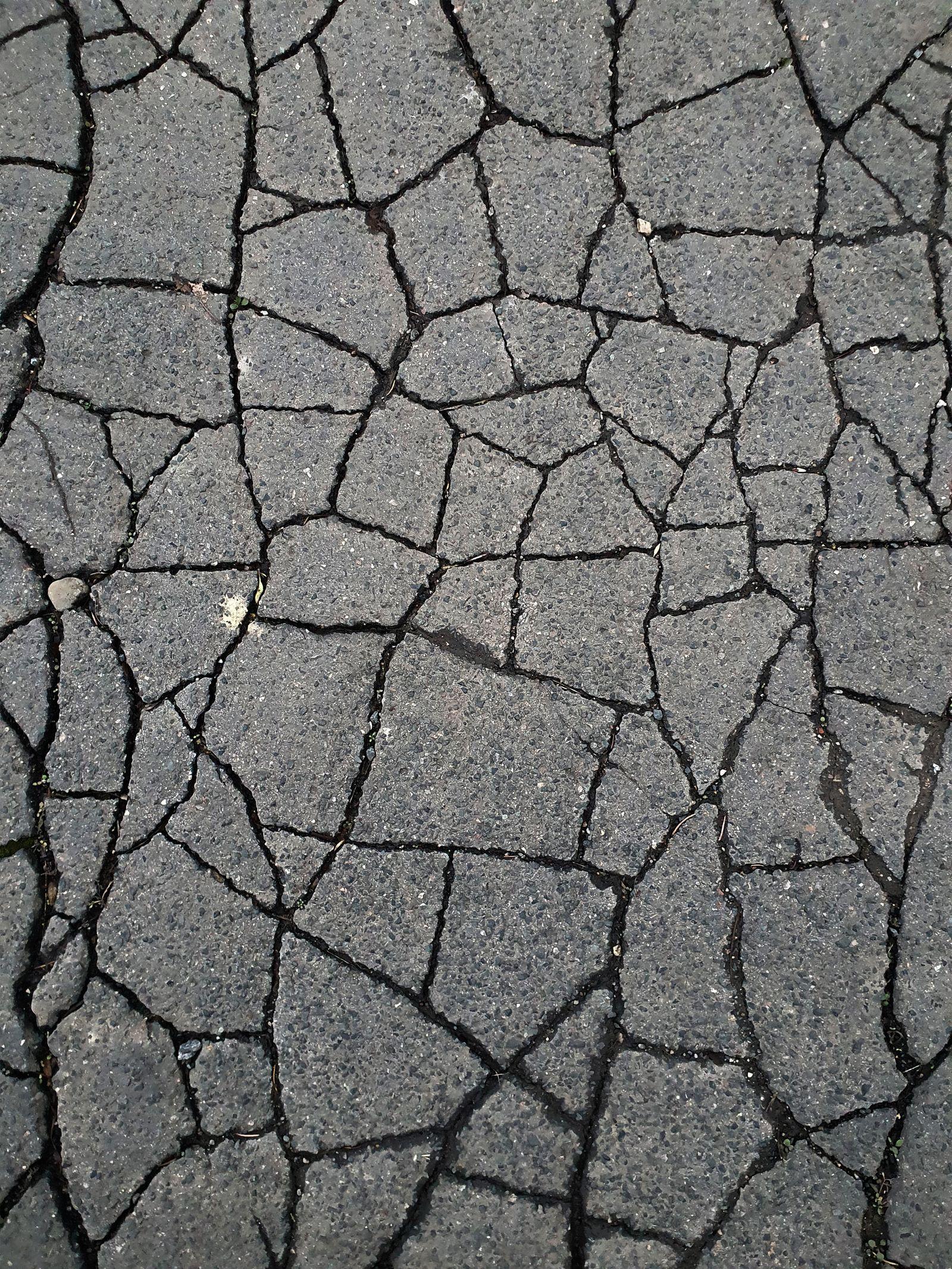
Longitudinal cracks along paving joints or rectangular grid-like block cracks across parking bays indicate the aged asphalt mat has shrunk and stiffened. Once cracks widen beyond 3mm, rainwater flows freely into the roadbase below.
4. Ponding Water (“Birdbaths”) After Rain
Walk your site 2 hours after a Sydney rainstorm. If shallow puddles remain trapped in drive aisles, parking bays, or around stormwater grates, the surface levels have settled or compacted unevenly. Standing water softens the asphalt binder and creates slip hazards for pedestrians.
5. Patch-Upon-Patch Maintenance Fatigue
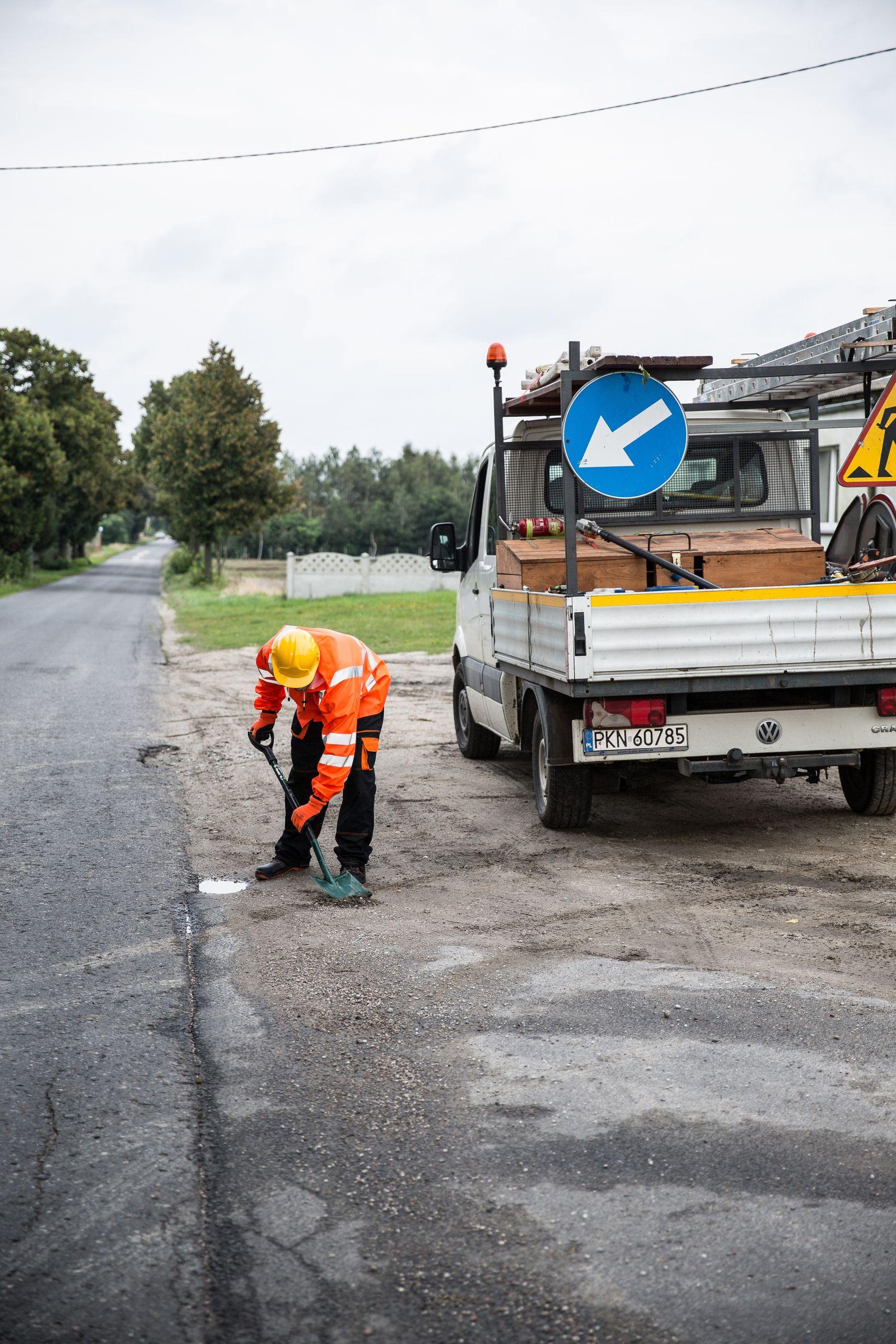
If you are calling out a repair crew every 6 months to fill new potholes right beside old patches, your wearing course has reached the end of its structural life. At this tipping point, continuing to pay for piecemeal patches costs more over 3 years than a complete cold-milled resurface.
6. Localised Crocodile (Alligator) Cracking in Wheel Tracks
Interconnected, scale-like cracking in the wheel paths of delivery aisles or entry throats signals that water has begun weakening the base course underneath. Resurfacing now—combined with targeted saw-cut base patching of those specific wheel tracks—stops the failure spreading across the entire car park.
7. Lip Hazards & Sunken Transitions Around Kerbs and Drains
When the asphalt edge drops 15mm–30mm below concrete kerbs, building thresholds, or cast-iron drainage pits, trolleys, wheelchairs, and pedestrians face serious trip hazards, and tyres slam against exposed concrete edges.
8. Faded Line Marking That No Longer Bonds to the Eroding Surface
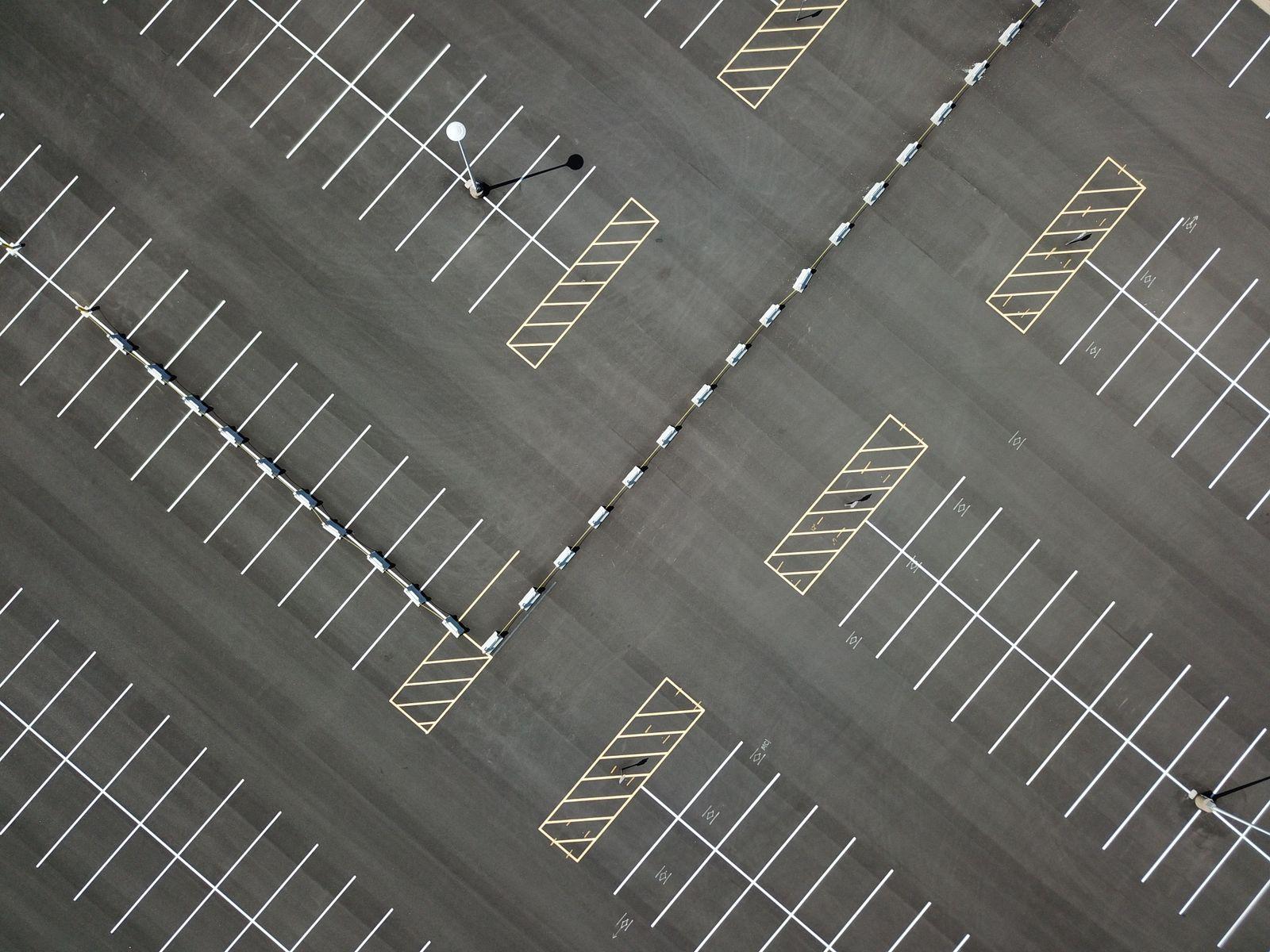
If fresh road-marking paint peels off within months because the underlying asphalt stones are plucking loose, repainting lines is wasted money—the surface itself needs renewal via car park resurfacing in Sydney.
Decision Matrix: Crack Seal vs Patch vs Resurface vs Reconstruct
| Surface Condition | Percentage of Base Failure | Recommended Action | Typical Lifespan Added |
|---|---|---|---|
| Tight black/dark grey mat with isolated hairline cracks | 0% |
Preventative hot bitumen crack sealing | +3 to 5 years |
| Sound overall surface with 1–5 isolated potholes or trench cuts | < 5% |
Full-depth saw-cut square patching | +8 to 10+ years on patched zones |
| Widespread oxidation, raveling, shallow puddles & surface cracking | 5% – 20% (Localised patches needed first) |
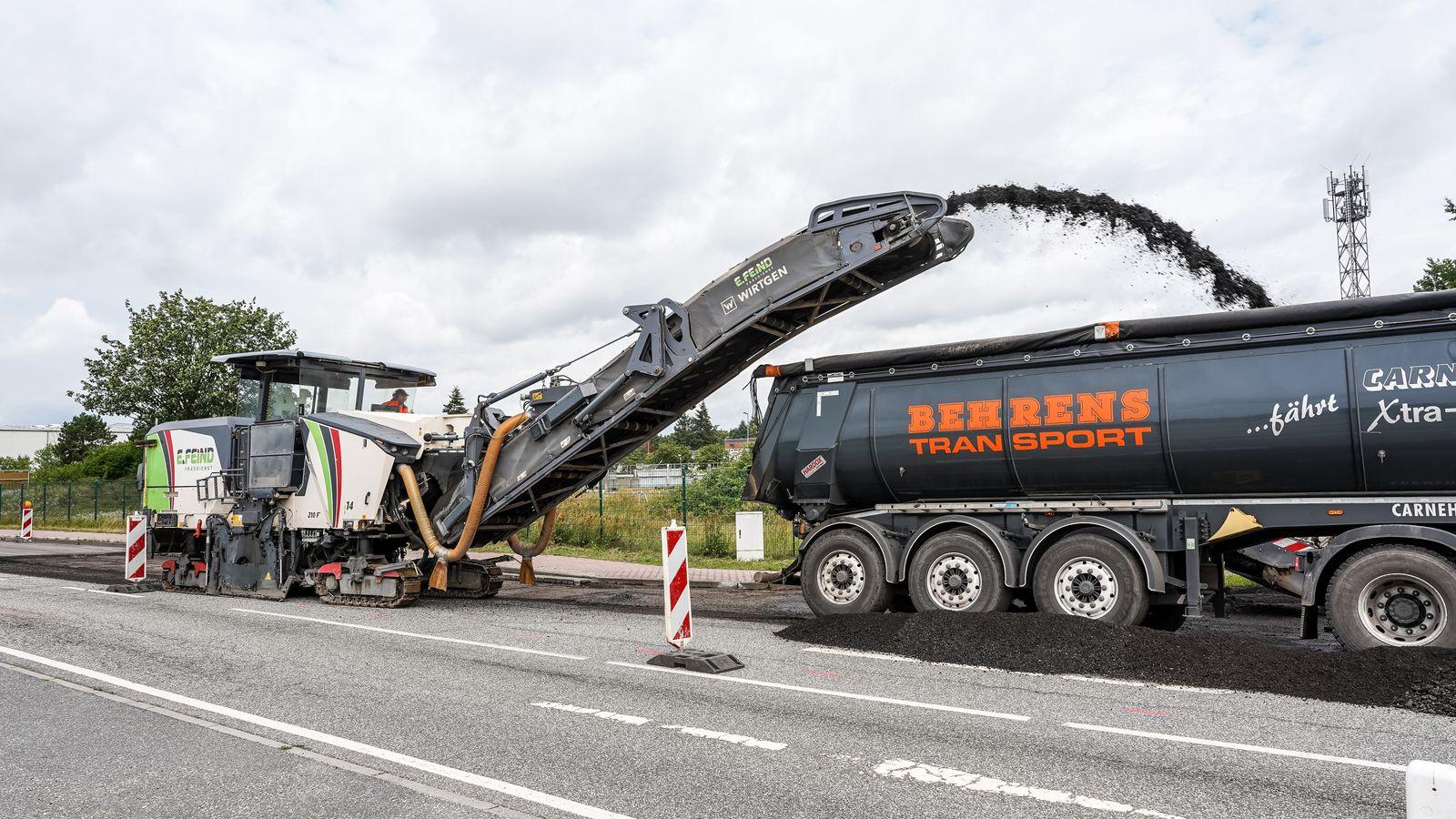
Cold Milling & Asphalt Resurfacing (Mill & Fill) | +15 to 20+ years |
| Deep wheel ruts (>30mm), widespread crocodile cracks & pumping mud | > 30% – 100% |
Full-depth base reconstruction or stabilisation + new multi-layer asphalt | +20 to 25+ years |
Frequently Asked Questions
Can we resurface just the high-traffic drive aisles and leave the parking bays?
Yes. In large commercial or retail car parks where the parked car bays are still in good condition but the central circulation aisle and entry throat are heavily worn by delivery trucks, we can cold-mill and resurface the drive aisles to a 45mm–50mm AC14 specification and neatly key the joints along the bay lines.
What time of year is best for road or car park resurfacing in Sydney?
Resurfacing can be carried out year-round in Sydney during dry weather, though spring, summer, and autumn (September through May) offer warmer ambient temperatures that give paving crews a slightly longer compaction window before the hot mix cools.
Conclusion & Next Steps
Acting when your pavement shows oxidation, raveling, and early cracking—before the roadbase fails—saves up to 50% on lifetime capital expenditure. Learn more about how we execute overlays in How Road Resurfacing Works or check our Asphalt Lifespan Guide.
Book a complimentary pavement audit in Sydney: Call National Road Surfacing on 0475 013 264 or request a free site inspection online.
Related Services Mentioned in This Guide
Spotted Warning Signs in Your Car Park or Roadway?
Or call 0475 013 264Related Guides
How Road Resurfacing Works: Cold Milling, Profiling & Asphalt Overlays Explained
Asphalt Fundamentals & Mix TypesHow Long Does Asphalt Last in Australian Conditions? Lifespan & Ageing Factors
Pavement Maintenance, Defects & RepairsCommon Asphalt Pavement Problems: Identifying Crocodile Cracking, Rutting, Raveling & Depressions